

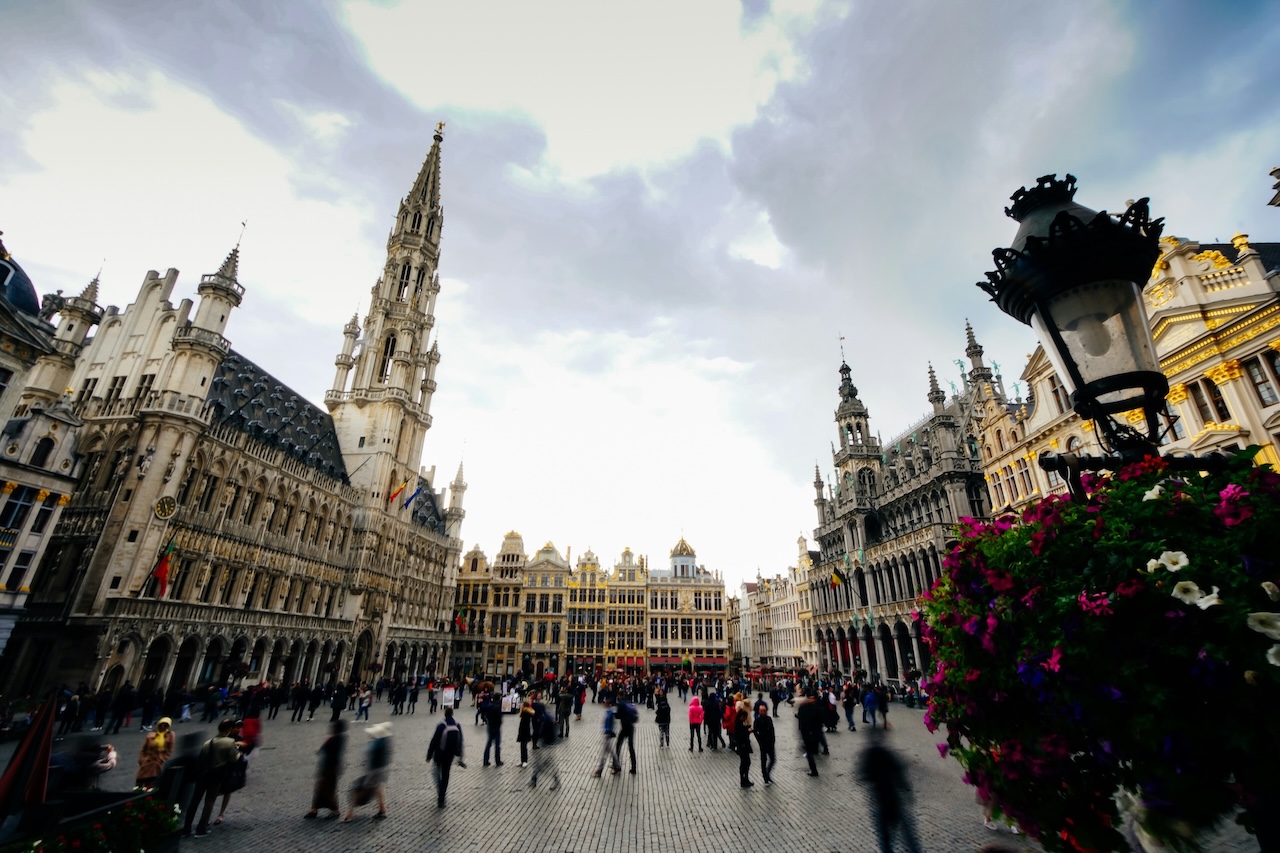
Brussels is expanding its strategy to attract major global conferences as it strengthens its position in the international meetings and events industry. The city is increasing its network of Business Events Ambassadors to bring more high-level congresses to the Belgian capital.
The push for Brussels MICE growth comes at a time when global business travel is recovering strongly. Demand for meetings, incentives, conferences, and exhibitions, known as MICE tourism, is rising again after years of disruption. However, competition between cities is also increasing.
The initiative is led by visit.brussels and focuses on using local experts to attract international events. These ambassadors are professionals based in Brussels who work in fields such as medicine, science, technology, and environmental research. They use their global networks to help bring large conferences to the city.
The Brussels MICE growth strategy is not only about marketing the city. It is built around expertise and influence. Ambassadors help design bids for events, connect international organizations with local institutions, and support event planning in key industries.
Officials say this approach helps ensure that conferences hosted in Brussels are linked to important sectors. It also helps strengthen cooperation between international groups and the city’s business and research communities.
The global business events market is expanding rapidly. Reports show strong recovery in hotel bookings and event demand, with some indicators already above pre-pandemic levels. However, costs have also increased, with higher prices for accommodation and event services.
Long-term forecasts remain positive. The global business travel sector is expected to grow significantly over the next decade, potentially reaching trillions of dollars in value. This growth is expected to continue as companies invest more in face-to-face meetings and international collaboration.
At the same time, risks remain. Political tensions in some regions, economic uncertainty, and changing travel patterns could affect future growth. Despite this, cities are competing aggressively to attract international events that bring economic and strategic benefits.
Brussels is using its unique position in Europe as a key advantage. The city hosts major European Union institutions and many international organizations. This gives event organizers direct access to policymakers, regulators, and industry leaders.
This makes Brussels especially attractive for conferences that focus on policy, innovation, and global cooperation. Many events hosted in the city go beyond networking and influence decisions in key industries.
The Brussels MICE growth program currently includes around 135 ambassadors. Over the past nine years, this network has helped attract more than 300,000 delegates and generated over $250 million in economic impact for the local tourism sector.
City officials see these events as more than just tourism drivers. They also support knowledge sharing, innovation, and year-round economic activity. This helps reduce seasonal fluctuations in tourism and strengthens the city’s international profile.
The ambassador model is selective, with a cap of about 150 members. This ensures that participants remain active and focused on high-value opportunities. Each ambassador plays a role in connecting Brussels with global associations and event organizers.
Recent examples show how the strategy is evolving. Large international forums are increasingly being hosted in Brussels, including global tourism and investment events. These gatherings bring together governments, private companies, and investors in one place.
One ambassador involved in global tourism events said Brussels has become more than just a destination. It is now seen as a meeting point for major economic decisions, where leaders discuss investment, infrastructure, and international cooperation.
He added that tourism is closely linked to economic development. Large events can influence investment decisions and support long-term partnerships between countries and companies.
The Brussels MICE growth strategy reflects a wider trend in global cities. Many destinations are now competing not only for visitors but also for high-impact business events that create long-term value.
By combining local expertise with international networks, Brussels aims to strengthen its role as a leading European hub for business events. The ambassador program is central to this plan, helping the city attract more conferences and deepen its global connections.

