

Brussels will host a public conference on Friday evening, October 2, examining three decades of conflict in eastern Democratic Republic of Congo and the continuing challenges surrounding justice, civilian protection and peacebuilding. The event, titled “30 Years of War, 30 Years of Impunity,” will take place at Brussels City Hall on the Grand-Place.
The conference is bringing together specialists with experience in medicine, international law, human rights and African affairs. Among the listed speakers is Denis Mukwege, the Congolese gynecologist and Nobel Peace Prize laureate known for his work with survivors of sexual violence. Other speakers include international relations specialist Pascal Boniface, Congolese lawyer Evelyne Ombeni and human rights expert Ida Sawyer.
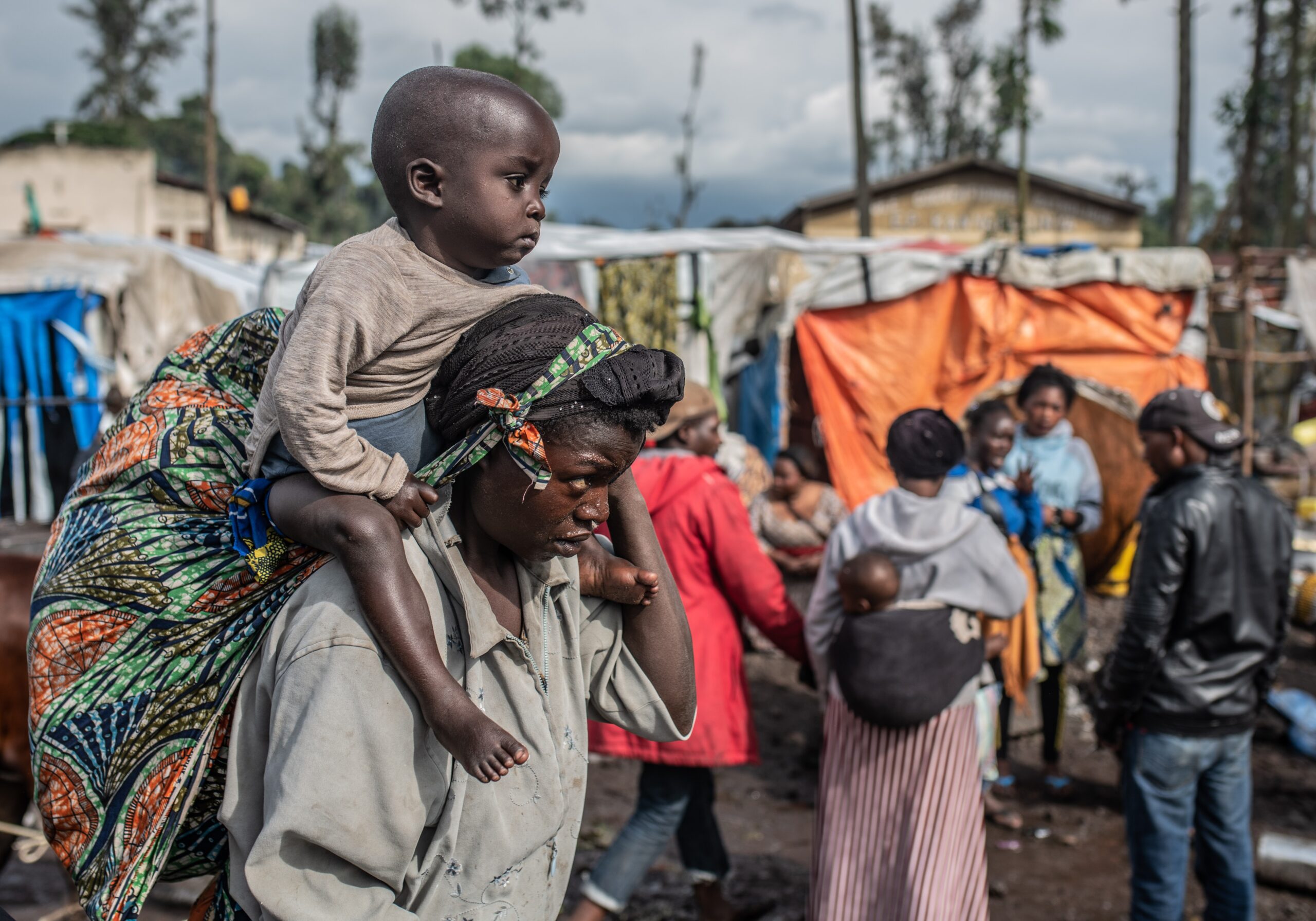
Eastern Congo has experienced decades of armed conflict involving armed groups, local communities and regional actors. The violence has displaced large numbers of people and created serious humanitarian challenges. Questions about accountability have remained central because many victims and human rights organisations have sought justice for abuses committed during the conflicts.
The Brussels conference is designed to examine these issues from several perspectives. Justice is one of the central themes. Accountability for serious crimes can be difficult when conflicts involve many armed groups and when national institutions lack the resources or security needed to investigate cases. International courts and other legal mechanisms have sometimes played a role, but questions remain about how victims can receive justice close to where crimes occurred.
Civilian protection is another major concern. People living in conflict zones can face violence, displacement and loss of access to basic services. Women and children are often especially vulnerable. The long duration of the conflict has also created communities where insecurity has become part of everyday life.
Peacebuilding requires more than ending individual battles. It can involve rebuilding institutions, supporting communities, improving security and creating conditions in which people can return to normal economic and social life. This can take many years. The conference in Brussels is therefore examining not only the history of the conflict but also the current challenges facing peace efforts.
Belgium has a particular connection to the Democratic Republic of Congo because of the countries’ shared history. That history continues to influence political, cultural and social relationships between Belgium and Congo. Brussels is also home to a large Congolese community, making discussions about Congo particularly relevant to the Belgian capital.
The conference also provides a platform for legal experts and human rights specialists to discuss international responsibility. When serious abuses occur during conflict, questions can arise over who should investigate, who should prosecute and how evidence should be preserved. These problems become more difficult when fighting continues or when victims are unable to safely report what happened.
The presence of Denis Mukwege adds a medical and humanitarian perspective. His work has focused heavily on treating survivors of sexual violence and supporting their recovery. His participation allows the discussion to include the human impact of conflict rather than focusing only on political and military developments.
The event is scheduled to begin with welcome drinks at 6:45 p.m., followed by the panel discussion at 7:30 p.m. The programme is expected to finish at 9:45 p.m. The event is open to people interested in international affairs, human rights and peacebuilding.
For Brussels, the conference provides a public forum for discussing an international conflict with deep links to the city’s history and communities. For people concerned about Congo, it offers an opportunity to hear from specialists who have worked directly on medical, legal and human rights issues.
The October 2 discussion will not solve the long-running problems in eastern Congo, but it can help keep attention on the experiences of civilians and the challenges of achieving lasting peace. By bringing legal, medical and political perspectives together, the Brussels forum will examine why accountability has remained difficult and what approaches could support stronger peacebuilding efforts in the future.

