

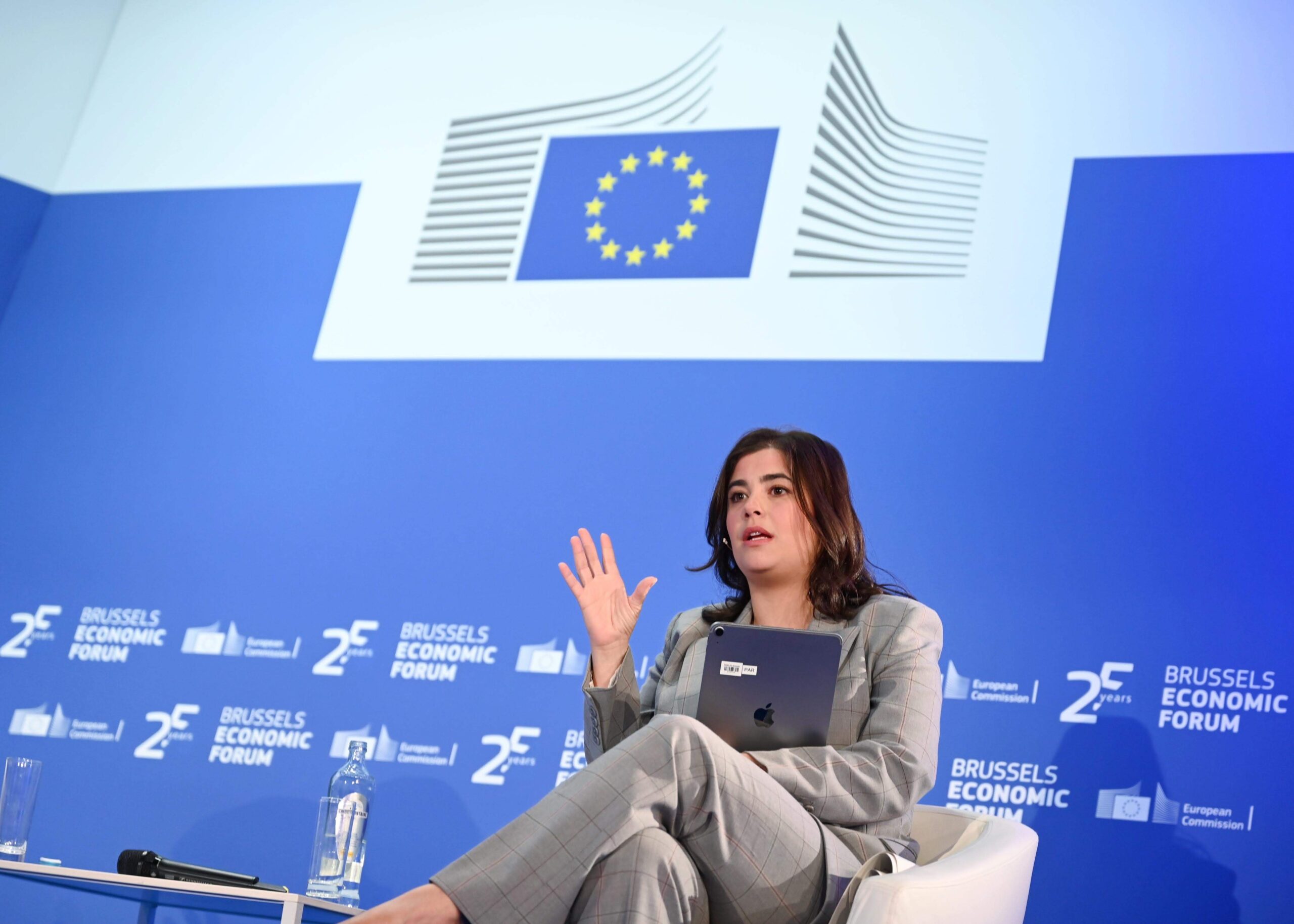
Brussels is hosting the Citizens Energy Forum on October 1, bringing policymakers, regulators and other stakeholders together to discuss the future of energy policy and the cost of energy for European consumers. The forum is focused on making the European Union’s planned Citizens Energy Package work in practice. Discussions include energy affordability, efficiency, consumer choice and protection for people who face difficulty paying their energy bills.
The event is being held at the Charlemagne building in Brussels and runs throughout Thursday. The programme includes opening remarks, a morning plenary session, several smaller discussions and an afternoon session examining how the Citizens Energy Package can reach households across Europe. The meeting is taking place as European countries continue to deal with pressure from energy prices, supply concerns and the long-term shift toward cleaner energy.
One of the central issues is affordability. Energy prices can place a heavier burden on households with lower incomes, especially when electricity and heating costs rise at the same time as other living expenses. European policymakers have therefore been looking for ways to improve energy efficiency while also ensuring that consumers are protected from disconnection and excessive costs.
The forum is also examining the role of consumers in the energy system. Traditional energy policy often focused heavily on producers, suppliers and national infrastructure. Newer policies place more attention on households and communities. Consumers can increasingly choose between different suppliers, install solar panels, use smart technology or adjust their electricity use according to prices. However, these opportunities are not equally available to everyone.
Another discussion area is demand-side flexibility. This refers to the ability of consumers to change when and how they use electricity in response to supply conditions or prices. For example, some households and businesses can shift electricity use to periods when demand is lower. If managed properly, this can help reduce pressure on the electricity system and support the integration of renewable energy.
Consumer trust is also important. People need clear information about energy contracts, prices and services if they are expected to make informed choices. Complex bills and changing tariffs can make the market difficult to understand. The forum is therefore considering how energy companies, regulators and governments can improve communication and protect consumers.
The meeting also has a social dimension. Energy policy affects vulnerable households differently from wealthier households. People living in poorly insulated homes may spend more on heating, while those without access to modern technology may have fewer ways to reduce consumption. Protecting vulnerable consumers is therefore part of the forum’s wider discussion about a fair energy transition.
The October 1 meeting is part of the European Union’s broader effort to shape energy policy around both environmental goals and household needs. The discussions in Brussels are not expected to solve every energy problem immediately, but they provide a platform for governments, experts and consumer groups to exchange ideas. The results could contribute to future EU measures aimed at making energy systems cleaner, more efficient and easier for consumers to use.

