

Brussels is moving to restrict the use of electric scooters in areas known for drug-related activity. The measure is part of a wider effort to improve public safety and manage shared transport in busy parts of the Belgian capital. City officials say the restrictions are intended to address concerns about public spaces while reducing the risks linked to disorder in certain neighbourhoods.
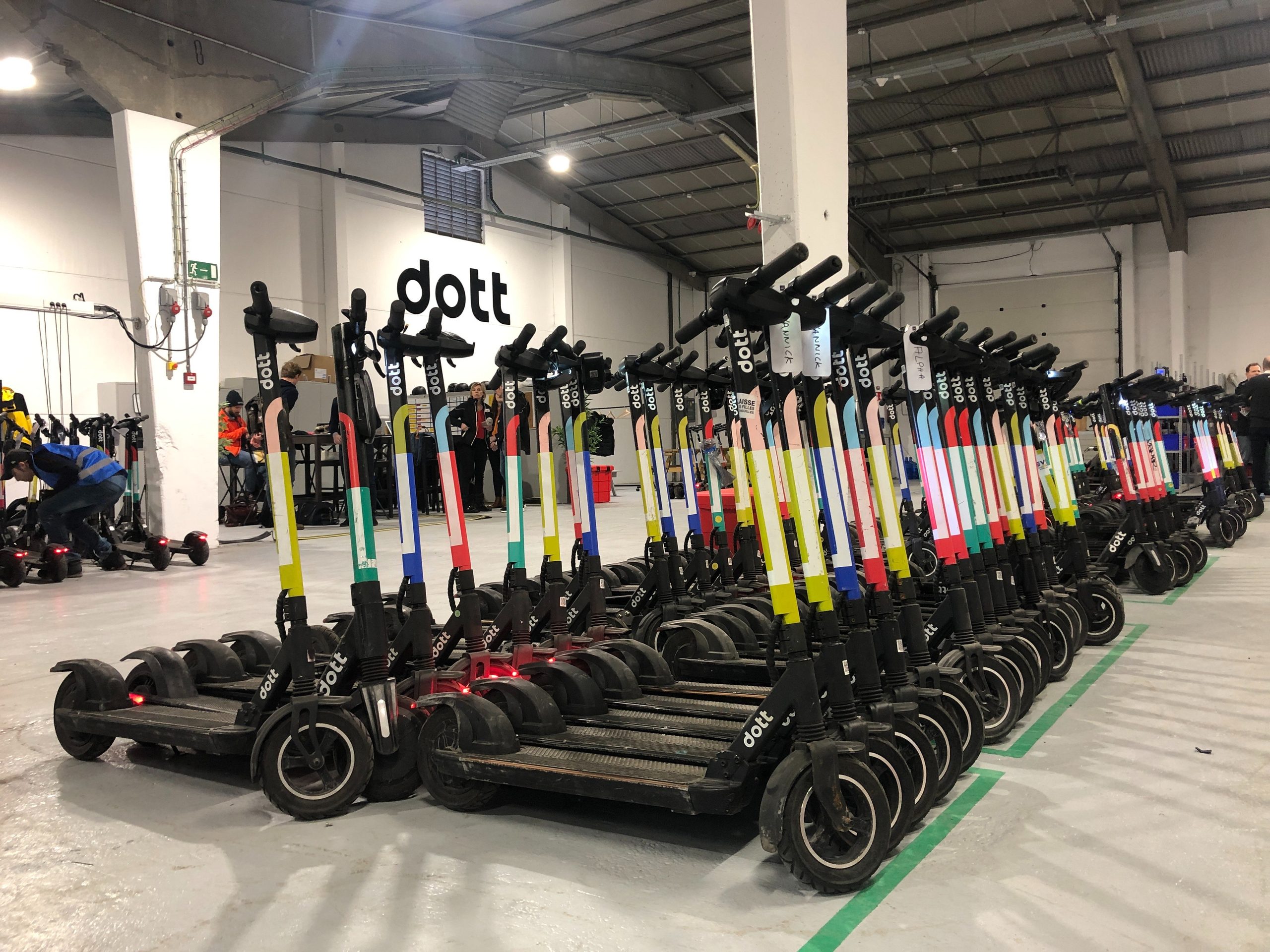
Electric scooters have become a common way to travel short distances in Brussels. They can help people move between public transport stops, workplaces, shops, and homes. Shared scooters also offer an option for visitors who do not want to use a car. But the rapid growth of these services has created challenges, including vehicles left across pavements, unsafe riding, and disputes over where scooters should be parked.
The new restrictions focus on 19 locations identified as drug hotspots. The city wants to limit scooter use in these areas as part of its response to safety concerns. Such measures can affect both residents and visitors, particularly those who rely on shared scooters for the final part of a journey. Operators may need to adjust their service areas and inform customers about where rides can begin or end.
Public safety in these areas involves more than transport. Drug-related activity can create concerns for local residents, shop owners, and people who pass through the streets each day. Authorities must consider how to protect vulnerable people while ensuring that public spaces remain accessible. Transport restrictions may be one part of a wider plan, but their effect will depend on enforcement and the services available in each neighbourhood.
Scooter operators also face practical questions. They must update digital maps, explain the rules to users, and make sure vehicles are not left in prohibited areas. Clear signs and simple instructions can reduce confusion. If the rules are difficult to understand, visitors may break them by mistake, while enforcement teams may face extra work.
Brussels must balance convenience with safety. Shared scooters can reduce short car trips, but they need to be managed carefully in crowded streets. The city may need to combine restricted zones with better parking areas, safer routes, and clear public information. Residents will also want to know whether the changes improve conditions in the targeted areas.
The restrictions show how local authorities are trying to respond to problems that affect daily life in a busy capital. Their success will depend on whether the rules are applied fairly and whether they help make public spaces safer. City officials will need to assess the impact and decide if further changes are needed.

