

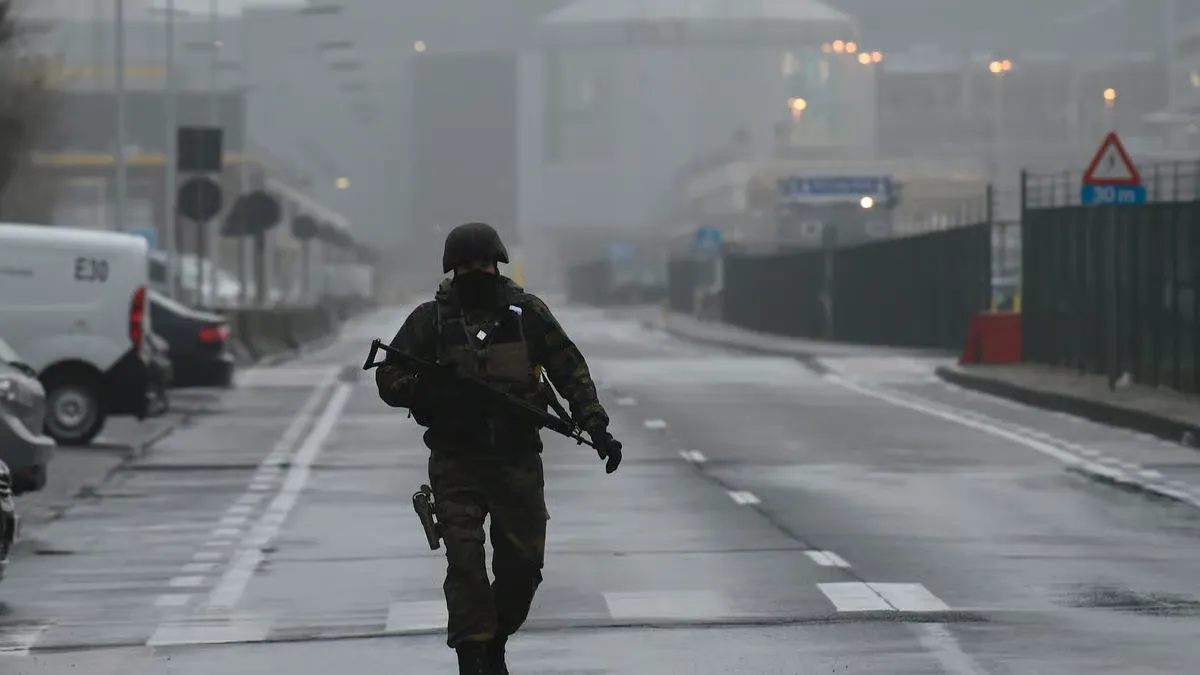
Brussels security protest fears have grown after several days of unrest in the city. Police have raised their presence near Brussels Central Station. The move follows online calls for fresh demonstrations. Officers want to prevent a repeat of the violent scenes seen in recent days.
The unrest began over planned reforms to French speaking schools in the city. Critics of the changes say the reforms threaten funding and staffing levels. Supporters argue the reforms will modernize aging parts of the education system. The dispute has drawn passionate crowds from both sides onto the streets.
Early protests stayed largely peaceful, but later gatherings turned rougher. Some demonstrators clashed with police, and officers used crowd control measures to break up the largest groups. A number of arrests followed those clashes. Local shop owners near the protest routes reported damage to storefronts and street furniture.
City officials have urged calm while reform talks continue. They say the government wants to hear concerns from teachers, parents, and students. But they also stress that violence will not change the final decision. Officials argue that dialogue, not street clashes, is the right path forward for such a sensitive issue.
Belgium’s government has faced a rocky recent stretch on multiple fronts. Coalition talks in Brussels took an unusually long time to conclude earlier this year. That delay left the city without a fully working local government for many months. Analysts say the drawn out political process fed a wider sense of frustration among residents.
Police unions have also weighed in on the standoff. They say officers need clear guidance and enough staff to manage large crowds safely. Some union leaders warn that repeated call outs for unrest put pressure on already stretched police budgets. They are asking city leaders to plan ahead rather than react only after trouble starts.
Business groups near the protest zones have voiced their own worries. Central Station sits close to shops, offices, and busy transit lines. Owners say repeated unrest scares away shoppers and commuters alike. Some have asked the city for compensation if damage continues, though officials have not yet promised any specific fund.
Education unions tied to the original dispute say they still want talks, not conflict. They argue that many protesters are ordinary parents and staff, not people seeking violence. They blame a small number of outside agitators for pushing peaceful marches toward chaos. Union leaders have asked government officials to meet with them directly and soon.
The situation remains tense as new protests are expected in coming days. Police say they will keep extra patrols in place near major transit hubs. City leaders hope a return to formal talks can defuse the anger before it grows further. For now, residents near the affected areas are watching closely, hoping that Brussels can settle this dispute without further clashes on its streets.
Parents caught in the middle of the school dispute describe a stressful few weeks for their families. Some say they support the underlying reform goals but worry about how quickly changes are being pushed through. Others fear that ongoing unrest could disrupt the school calendar itself, adding extra stress for children who already face enough uncertainty without protests affecting their daily routines.
City transit operators have also adjusted schedules around Central Station during the tense period. Extra staff have been posted at platforms to help manage crowds and answer safety questions from worried travelers. Officials say service has mostly continued as normal, though they acknowledge some delays during the busiest protest hours, especially in the late afternoon when demonstrations have tended to gather the largest crowds.
Regional leaders outside Brussels are watching the standoff closely as well, since language and education disputes often carry wider political weight across Belgium. Some see this moment as a test of how well the country’s complex governing system can handle sensitive local issues without escalating into broader national tension between different linguistic communities.

