

Belgium’s largest wildfire in more than a century has been brought under control after a week-long battle involving hundreds of firefighters, aircraft crews, and emergency teams working across the High Fens nature reserve.
Authorities announced that the fire, which burned for seven days in eastern Belgium, is no longer spreading and has been contained across the affected area. Officials cautioned that the situation will continue to be monitored closely, particularly because weather conditions can change rapidly and create new risks.
The wildfire swept through the High Fens, a protected nature reserve located near the German border. The area is known for its peatlands, forests, and popular hiking trails. During the height of the emergency, the blaze expanded dramatically, eventually consuming around 3,000 hectares of land.
Emergency officials described the fire as the largest wildfire Belgium has experienced in approximately one hundred years. The scale of the disaster prompted a major international response and drew support from neighboring countries.
According to local authorities, firefighters worked throughout the night to extinguish flare-ups that continued to appear across the burned landscape. Strong winds complicated operations and increased concerns that the flames could spread into new areas.
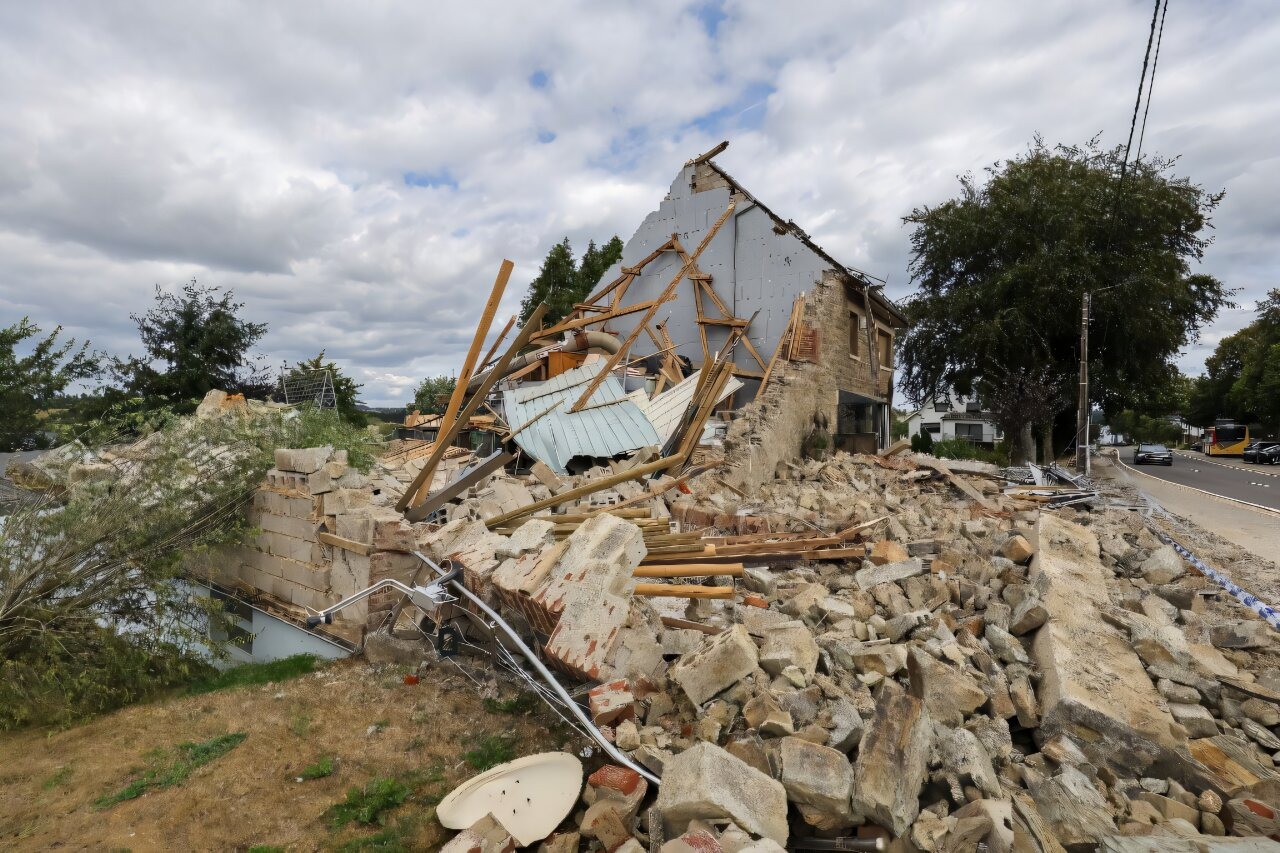
The region also experienced unusual weather conditions during the emergency. Reports indicated that powerful winds affected several communities, while a small tornado-like event struck a town outside the nature reserve, creating additional challenges for emergency responders.
Despite these difficulties, firefighting teams gradually succeeded in stabilizing the situation. Officials reported that the western section of the fire zone had been fully contained, while crews continued working on the eastern side to eliminate remaining hotspots.
The operation involved hundreds of firefighters from Belgium and neighboring countries. Emergency services used both ground and aerial resources to slow the fire and protect nearby communities and natural habitats.
Seven firefighting aircraft participated in the response effort. The planes came from Belgium, Germany, Norway, and Sweden and carried out repeated water-dropping missions over affected areas. Their support played a key role in reducing the intensity of the fire and preventing further expansion.
Authorities noted that while visible flames have largely been controlled, significant risks remain beneath the surface. Ground temperatures in some sections of the reserve continue to be extremely high because peat soils can retain heat for long periods after a fire passes through.
Peatland fires are often difficult to extinguish completely because burning material can continue smoldering underground. As a result, firefighters are expected to remain in the area to monitor conditions and prevent reignition.
Environmental experts are now beginning to assess the full impact of the wildfire. The High Fens reserve is one of Belgium’s most important natural areas and supports a wide range of plant and animal species. Large sections of peatland, forest, and recreational trails have been damaged by the blaze.
Officials have not yet released a final estimate of environmental losses, but recovery efforts are expected to take years. Peat ecosystems develop slowly and can be particularly vulnerable to fire damage.
The wildfire has also renewed discussions about climate conditions and wildfire preparedness across Europe. Several countries have experienced increasingly severe fire seasons in recent years, raising concerns about the impact of hotter temperatures and prolonged dry periods.
Emergency management agencies are expected to review the response operation once the situation is fully resolved. Authorities will likely examine how resources were deployed and identify lessons that could strengthen future wildfire responses.
Residents and visitors have been urged to avoid restricted areas while firefighters continue their work. Access to parts of the reserve remains limited for safety reasons.
The Belgium Wildfire Under Control announcement marks a significant milestone after days of intense firefighting efforts. While the immediate threat has been reduced, emergency crews remain vigilant as they work to secure the area, prevent new flare-ups, and begin the long process of environmental recovery.

