

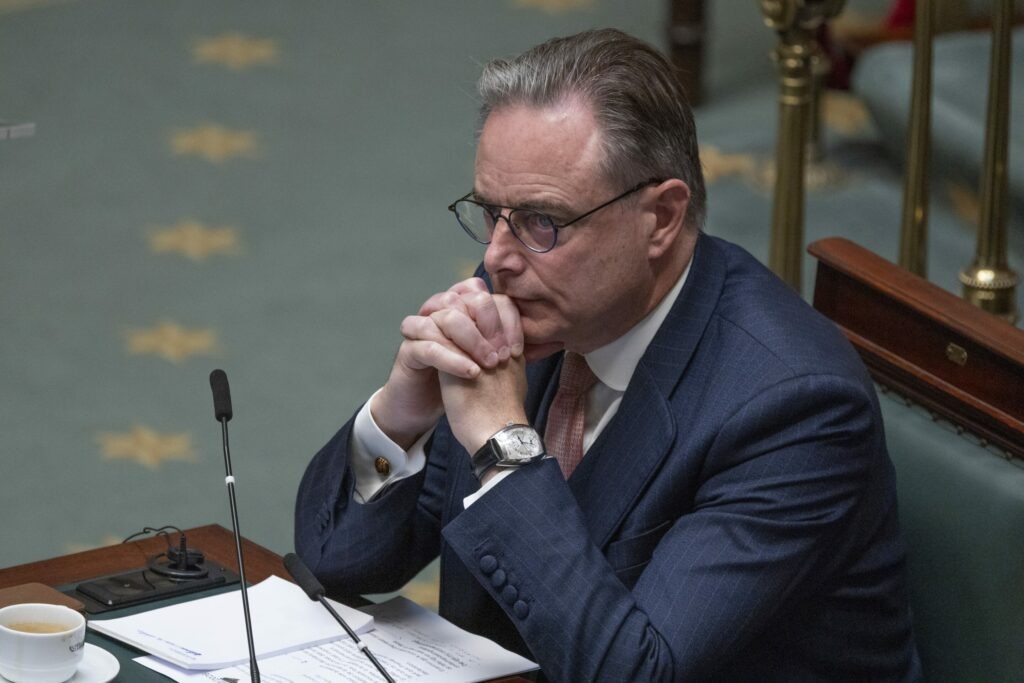
Belgium’s government is facing difficult Belgium Budget Talks as Prime Minister Bart De Wever and coalition partners try to find more than ten billion euros in savings and new revenue. The negotiations are entering an important stage after ministers spent much of the weekend discussing ways to reduce the country’s deficit. The government wants to improve public finances and avoid further pressure from rising debt costs, but disagreements remain over taxes, health spending and other measures.
The coalition partners met for several hours on Sunday to examine a revised budget proposal. The discussions were described as serious but did not end in a political crisis. Ministers went through the proposal in detail and identified several areas where their positions remain far apart. The government now plans to use working groups and further meetings to find compromises before the budget is presented to parliament.
One of the biggest disputes concerns health spending. Some coalition parties oppose about two billion euros in proposed healthcare cuts and want the government to find other ways to reduce the deficit. Other parties argue that the size of the financial gap means difficult choices are unavoidable. The disagreement shows how challenging it will be for the coalition to balance fiscal discipline with demands to protect public services.
Tax policy is another major point of tension. The proposal includes possible changes to value added tax rates, including a potential increase in the top rate. Other rates could also be adjusted as part of a broader reform. Supporters say changes to consumption taxes could help raise money quickly, while opponents warn that higher taxes could increase the cost of everyday goods and encourage more people to shop across Belgium’s borders.
The government is also dealing with disagreement over labour costs and other structural measures. Some parties want to protect previously agreed reductions in labour costs, while others are concerned about the effect on the budget. The different positions reflect wider political differences within the coalition. Each party must defend its own priorities while also helping the government meet its financial commitments.
Time is becoming an important factor in the negotiations. The government wants to present a revised budget to parliament on October 13, while Belgium must submit its annual budget information to the European Commission by October 15. Failure to reach an agreement could create additional uncertainty and make it harder for the government to begin 2027 with a stable financial plan. Officials are therefore under pressure to reach a compromise soon.
The latest talks did not produce a final agreement, but the coalition has not abandoned the process. Working groups are expected to continue discussing the most difficult measures before senior ministers meet again later in the week. The government wants to avoid a repeat of previous periods when Belgium entered a new year without a full budget. For De Wever and his coalition partners, the challenge is to close a gap of more than ten billion euros without causing a political breakdown inside the government.

