

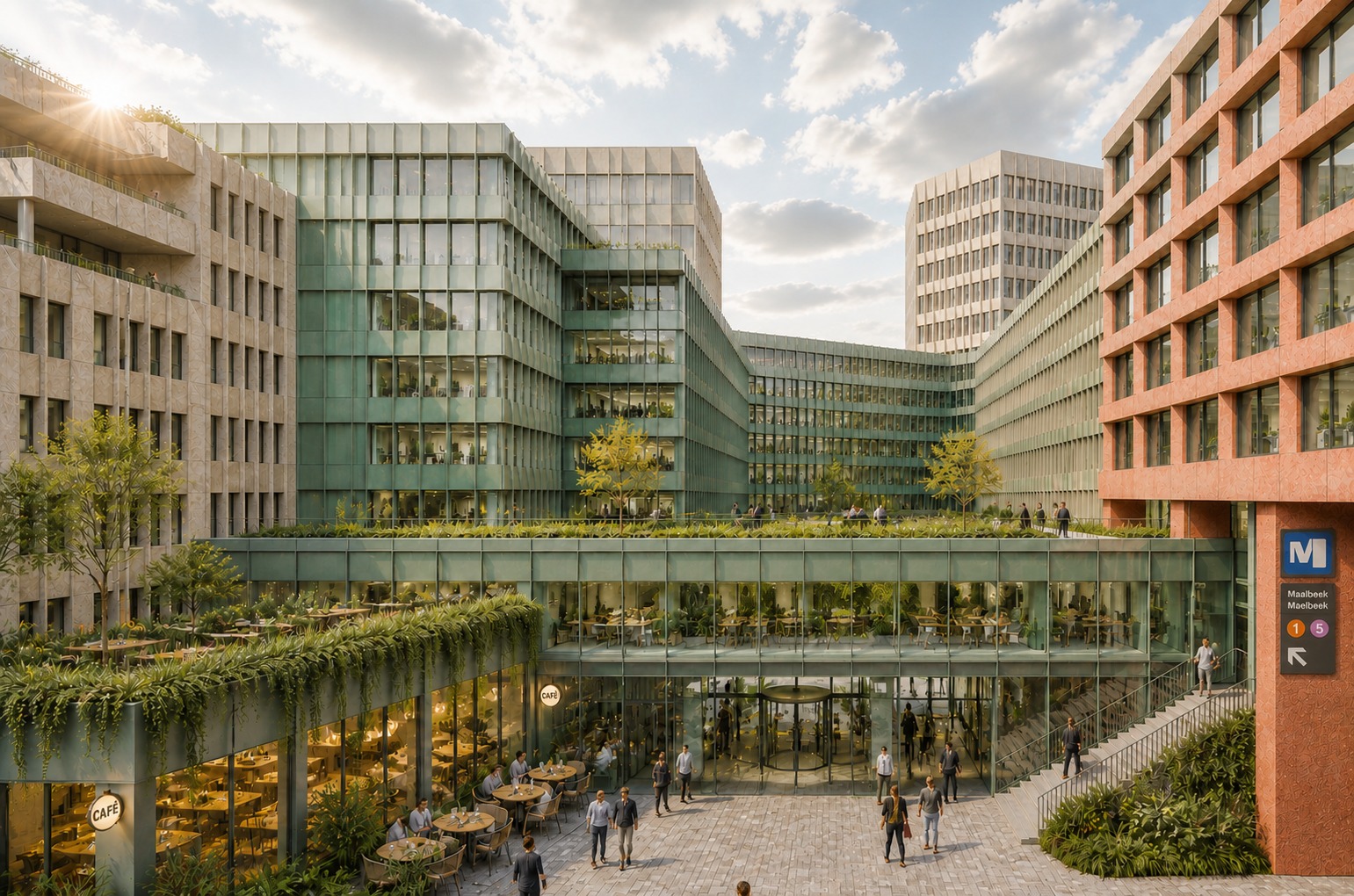
Brussels is looking at ways to turn unused office buildings into homes as the city faces growing pressure to provide more housing. The issue was highlighted on October 5 as policymakers, planners and developers considered whether large areas of underused office space could help address the shortage of affordable homes. The idea is gaining attention because Brussels has both empty workspaces and long waiting lists for social housing.
The Belgian capital has traditionally been known for its large office districts, particularly around the European quarter. However, changing work habits and increased remote working have left some buildings underused. At the same time, many people are struggling to find suitable housing. This has created an unusual situation in which buildings designed for workers may be able to provide space for people who need homes.
The problem is not simply a lack of buildings. Converting offices into homes can be expensive and technically difficult. Offices are designed differently from residential properties and may not have enough natural light, suitable plumbing or the right layout for apartments. Developers may also have to make major changes to insulation, ventilation, fire safety and access before people can legally live in the buildings.
Despite these challenges, conversions are receiving more attention because constructing entirely new housing can take years. Existing buildings already have foundations, structures and connections to roads and public services. If they can be converted efficiently, they may offer a faster way to add housing in areas where land is expensive and development space is limited.
The issue is particularly visible around Schuman and other parts of Brussels’ European quarter. Streets such as Rue Belliard and Rue de la Loi contain offices, construction projects and buildings that are being renovated or prepared for new use. The area has traditionally been associated with European institutions and international organisations, but planners are increasingly examining whether parts of the existing building stock could serve different purposes.
Housing pressure is not limited to people seeking private apartments. Brussels has tens of thousands of people waiting for social housing. This makes the question of affordability especially important. Converting an office into a luxury apartment block would increase the number of homes but might not help the people facing the greatest financial pressure.
Policymakers therefore have to consider what kind of housing should be created through conversions. Some projects may focus on private homes, while others could include affordable or social housing. The balance will depend on regulations, financing and agreements between developers and public authorities.
Building regulations are another major issue. Office conversions must comply with rules covering safety, accessibility and energy efficiency. Older buildings may require extensive work before they can meet modern standards. These costs can sometimes make conversion more expensive than simply leaving a building unused or constructing a new property.
The environmental argument is also important. Reusing an existing building can reduce the need for new construction materials and avoid demolishing structures that still have useful foundations. However, the environmental benefits depend on how much work is required. A poorly planned conversion can still require major amounts of new material and energy.
For Brussels, the debate comes at a time when the city is trying to rethink how its buildings are used. The traditional separation between office districts and residential neighbourhoods is becoming less clear as working patterns change. Mixed-use areas can allow people to live closer to workplaces, shops and public transport.
The idea could also help bring more life to areas that become quiet outside office hours. European business districts can be crowded during working days but much less active at night and on weekends. More residential buildings could create stronger local communities and increase demand for shops, restaurants and other services.
Office conversions will not solve Brussels’ housing shortage on their own. The city still needs new construction, affordable housing policies and investment in existing neighbourhoods. However, unused offices represent an opportunity that policymakers may find increasingly difficult to ignore.
October 5’s discussion shows how Brussels is reconsidering its building stock. Turning empty offices into homes could help address housing demand while giving older buildings a new purpose. The challenge will be making conversions financially realistic, legally practical and useful for residents who need affordable homes.

