

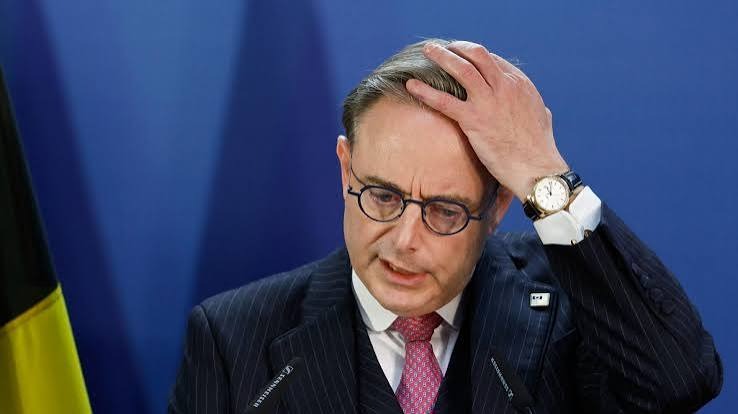
Belgian Prime Minister Bart De Wever has submitted his resignation after his five-party coalition failed to reach an agreement on a new budget. The decision was announced on Monday, 2 November, following months of difficult negotiations over spending cuts and tax measures. King Philippe has not yet decided whether to accept the resignation, leaving Belgium facing further political uncertainty.
De Wever took office in February 2025 with a promise to address the country’s growing public debt. However, his government has struggled to agree on the measures needed to control spending and secure additional revenue. The coalition has been divided over proposals involving healthcare, public services and higher taxes on wealth.
The government had been working towards a deal on the 2027 budget before the end of the year. De Wever argued that around 10 billion euros in savings and additional revenue would be needed to improve the country’s financial position. Coalition partners, however, disagreed on how the burden should be shared.
Belgium is among the most heavily indebted countries in the European Union. The European Commission has forecast that public debt could reach 110 percent of gross domestic product this year. Rising interest payments have made the situation more difficult, particularly as the government also wants to increase defence spending.
The Royal Palace confirmed that the King was considering the resignation. Philippe plans to consult political party leaders before meeting De Wever again later in the week. The discussions could determine whether the current government receives another opportunity to reach an agreement or whether a different political arrangement becomes necessary.
The crisis comes amid public dissatisfaction and frequent trade union action. Student demonstrations and national strike days have added pressure on the government as citizens respond to concerns about living costs and public spending.
The resignation does not automatically mean that Belgium will hold new elections. The King must first consider the political options available and whether another coalition arrangement can be formed.
For now, the main challenge remains the country’s budget. Without an agreement, Belgium could face further uncertainty over taxes, spending and economic policy at a time when financial markets are already paying close attention to government debt.

