

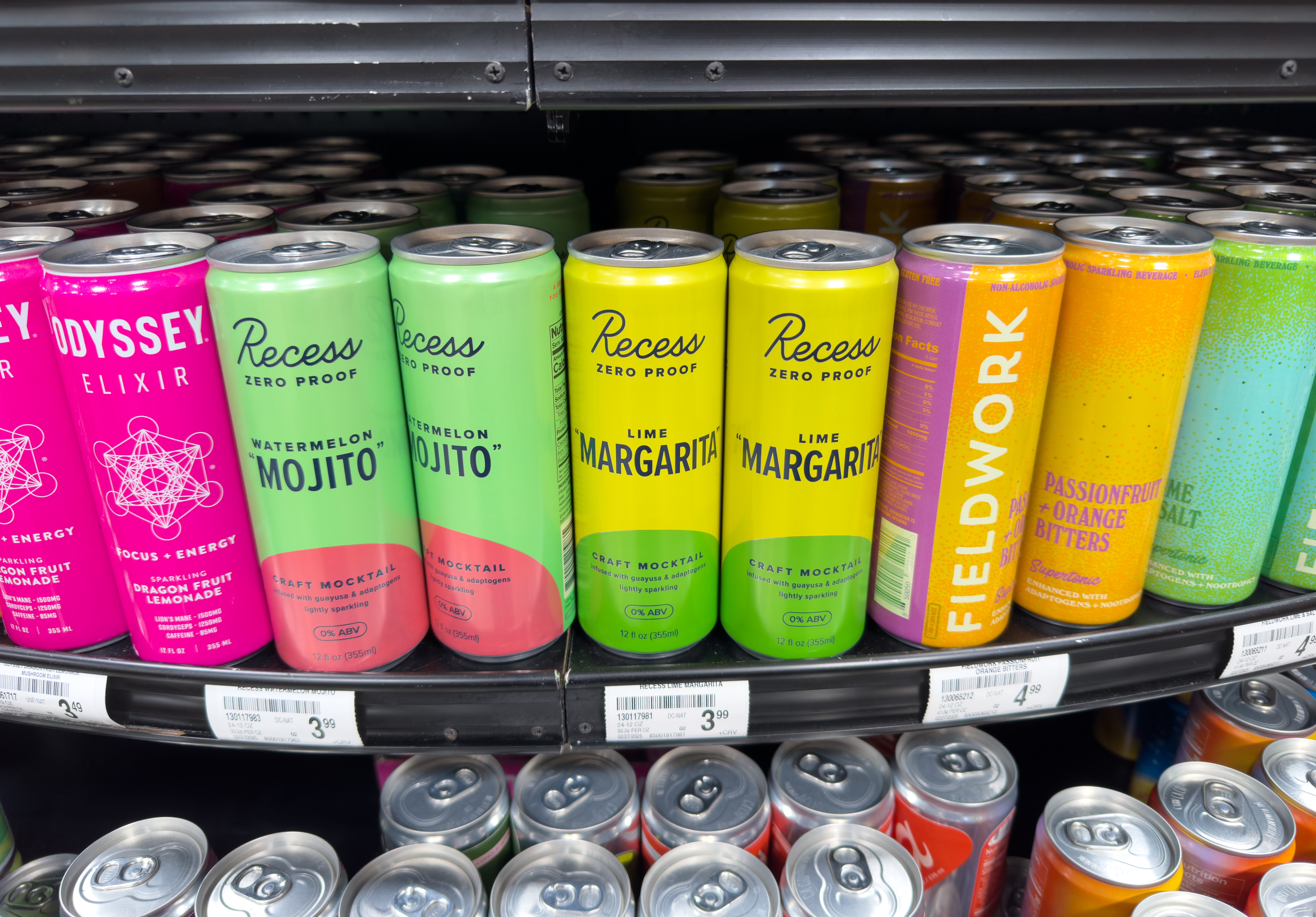
Colourful cans promising “calm” and “focus” have become a common sight in supermarkets, with functional beverages like TRIP gaining traction in a wellness-obsessed world. Infused with ingredients such as ashwagandha, lion’s mane mushroom, magnesium and CBD, these drinks are marketed as natural ways to boost mood, energy and mental clarity.
Their rise reflects a cultural shift: younger generations are turning away from alcohol, with surveys showing nearly half of 18–24-year-olds in Britain now preferring low- or non-alcoholic alternatives. Global demand is also booming, with the functional drinks market projected to hit $248 billion by 2030.
“There is promising evidence for some of these ingredients, though results vary and the research is limited,” said Nicolle Cucco, a registered dietitian and trainer. Ashwagandha and L-theanine have shown benefits in reducing stress and improving focus, but magnesium supplementation only helps those who are deficient.
Scepticism has followed the hype. In July, the UK’s advertising watchdog banned a TRIP campaign that implied its drinks could reduce stress and anxiety, ruling the claims unsubstantiated. Experts warn that while branding leans heavily on buzzwords, the science is still catching up.
The placebo effect may also play a role. “Simply believing a drink will help you relax can genuinely change how your brain perceives stress,” Cucco noted.
While functional drinks are generally harmless as part of a balanced lifestyle, they’re not quick fixes for medical conditions such as anxiety disorders or ADHD, nutritionists stress.
As wellness influencers continue to fuel the trend online, dietitians advise consumers to pause, look past the glossy marketing, and research what they are actually putting into their bodies.

