

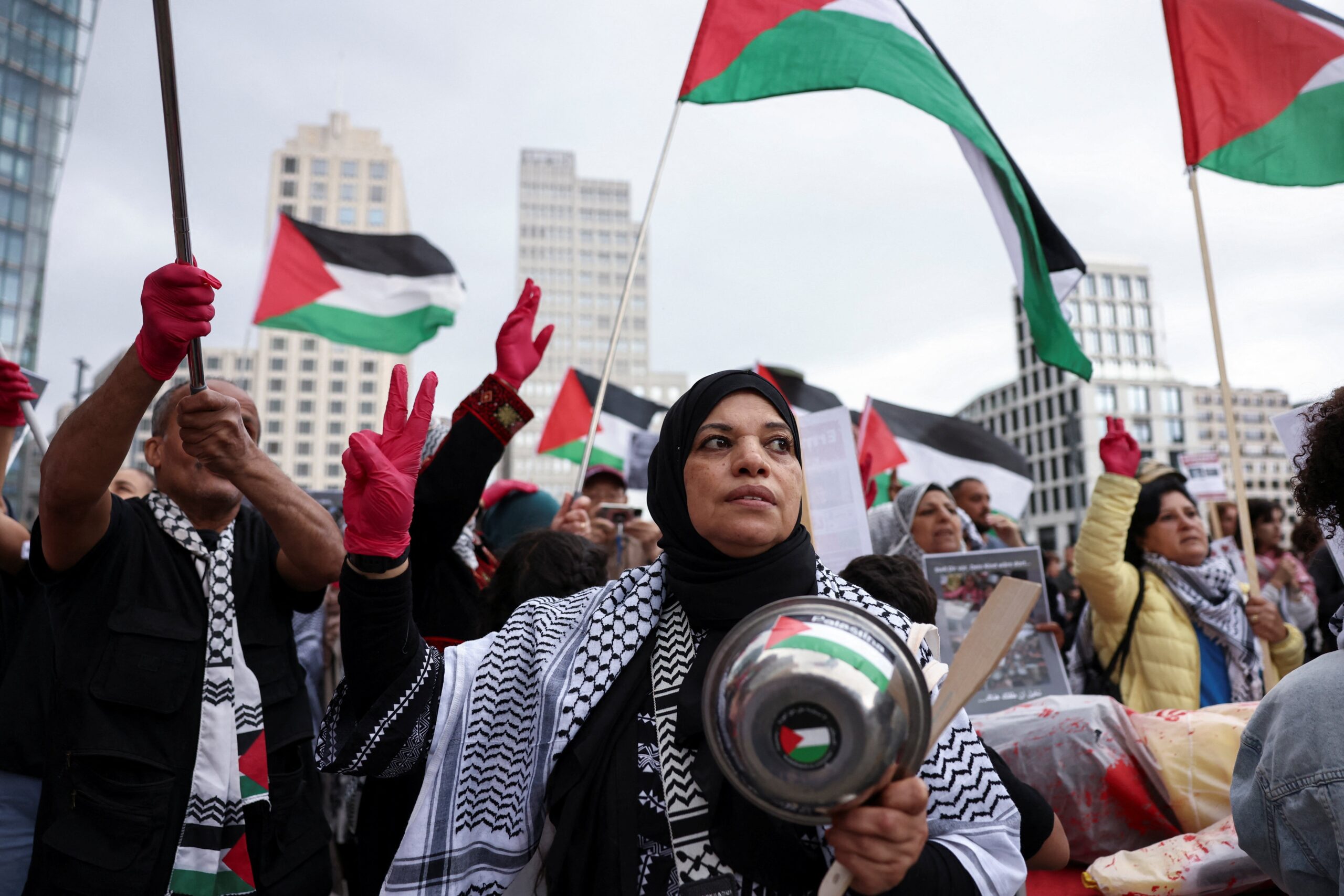
Brussels has called for urgent sanctions on Israel, stating that recent actions in the region have “crossed all lines.” EU officials emphasized the need for coordinated measures to uphold international law and protect human rights, as tensions escalate in the Middle East.
The call comes amid growing concern over military operations and reports of civilian casualties. Officials in Brussels argue that the international community must respond firmly to violations of human rights and humanitarian norms.
Escalating Tensions
Recent weeks have seen increased violence in disputed areas, prompting widespread condemnation. Brussels officials stressed that the escalation cannot be ignored and that accountability is essential.
“The lines have been crossed, and this cannot continue without consequence,” an EU spokesperson said. “We urge member states to consider sanctions that are targeted, effective, and uphold the principles of international law.”
Possible Measures
Brussels has not specified exact measures but indicated that sanctions could include financial restrictions, travel bans, and limits on exports linked to military use. The EU has traditionally preferred diplomatic channels, but officials suggest that stronger action may now be necessary to ensure compliance with international norms.
Legal experts note that sanctions must be carefully designed to avoid harming civilians while targeting individuals or entities responsible for violations. Transparency and monitoring are critical to ensure that any measures are effective and enforceable.
Political Reactions
The call for sanctions has elicited mixed reactions among EU member states. Some governments support immediate measures, citing the need to uphold human rights and deter further escalation. Others advocate for continued dialogue, emphasizing the importance of negotiation and regional stability.
Brussels’ position reflects a growing sense of urgency among EU policymakers, who argue that previous diplomatic efforts have failed to prevent violations. Officials stress that action must now balance political, humanitarian, and legal considerations.
Humanitarian Concerns
Brussels officials highlighted the impact on civilians, stressing that families, children, and communities are caught in the crossfire. Aid organizations have warned of worsening humanitarian conditions, including shortages of food, water, and medical supplies.
Targeted sanctions, Brussels suggests, could pressure political and military leaders while minimizing harm to the civilian population. EU officials also called for increased support for humanitarian agencies operating on the ground.
International Implications
The proposed sanctions signal a significant shift in Brussels’ approach to the conflict. While the EU has historically relied on diplomatic measures, the current stance emphasizes accountability and consequences for violations of international law.
Observers note that coordinated EU sanctions could influence broader international efforts, including potential actions by the United Nations and allied countries. The goal is to create pressure for compliance with international norms while avoiding escalation.
Looking Ahead
EU officials plan to discuss the proposed sanctions with member states in the coming weeks. Coordination, legal analysis, and alignment with international partners will be key to ensuring that measures are both effective and legitimate.
Brussels also emphasized that sanctions are only one part of a broader strategy, which includes humanitarian aid, diplomatic engagement, and monitoring of human rights conditions. The EU aims to maintain a balanced approach while signaling that violations cannot go unchecked.
Conclusion
By urging sanctions on Israel, Brussels signals a firm stance on accountability, human rights, and international law. Officials argue that recent actions have crossed red lines, making decisive measures necessary.
As tensions continue in the region, Brussels’ call highlights the EU’s commitment to defending human rights while navigating complex political and humanitarian challenges. The coming weeks will reveal whether member states can agree on coordinated sanctions to address the crisis.

