

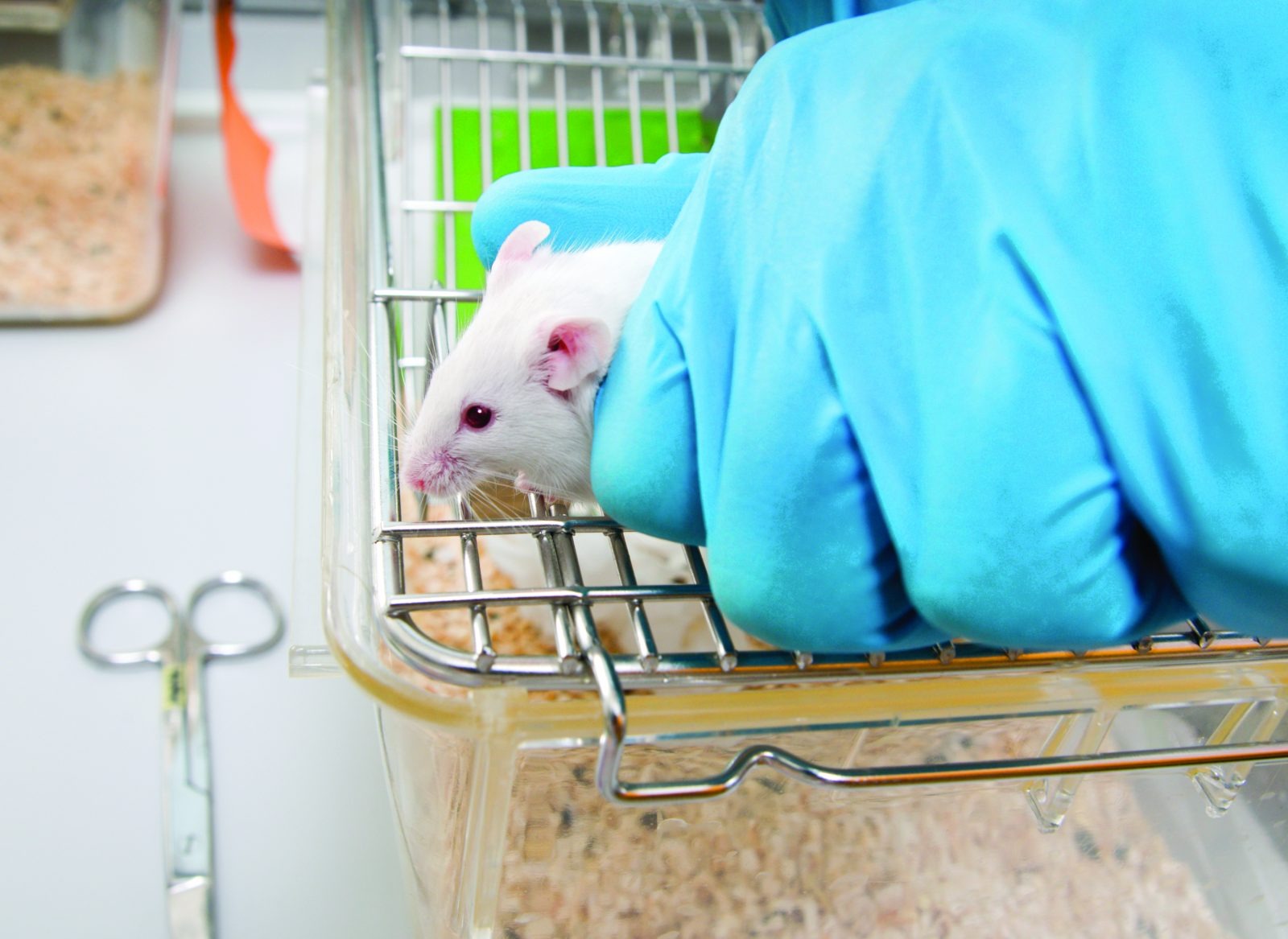
New figures reported in Brussels have drawn attention to the use of animals in laboratory research, after data indicated that around 154,000 animals died in laboratories in the region last year. The number raises questions about the scale of scientific testing, the standards used to protect animals and the efforts made to reduce the need for animal experiments. It also highlights the challenge of balancing scientific work with public expectations about animal welfare.
Laboratory animals may be used in medical research, safety testing and studies designed to improve understanding of diseases and biological processes. Researchers argue that some experiments provide information that cannot yet be obtained through other methods. At the same time, animal welfare advocates call for strict oversight, careful justification for each experiment and greater use of alternatives wherever they can provide reliable results.
The reported figure is a measure of the scale of animal use and death, but it does not by itself explain the circumstances of each case. Different studies can involve different species, research goals and levels of harm. Some animals may die during an experiment, while others may be euthanised at the end of a study under approved procedures. Understanding the number therefore requires more detailed information about the types of experiments involved and the rules governing them.
The central policy question is how to ensure that research is necessary and conducted under appropriate safeguards. Laboratory projects generally operate within regulatory frameworks that require researchers to explain their objectives and consider the potential harm to animals. Oversight can include reviewing research plans, checking living conditions and assessing whether a method that avoids animal use is available.
The principle of replacing, reducing and refining animal testing is widely used in research ethics. Replacement means using non-animal methods where possible, including computer models, cell-based systems or other suitable techniques. Reduction aims to use fewer animals while preserving the scientific value of a study. Refinement seeks to minimise pain, distress and other harms when animal research cannot be avoided.
Advances in technology may create new opportunities to reduce animal use, but alternatives must be tested carefully before they can replace established methods. Researchers and regulators need to consider whether a new approach can produce dependable evidence for the purpose at hand. Investment in alternative methods and transparent reporting can help make progress measurable.
The figures also underline the importance of public access to information. Clear data about species, research purposes, outcomes and inspections can help residents understand how laboratories operate and whether safeguards are effective. The debate is unlikely to be resolved by a single annual total, but reliable reporting can support better decisions.
For Brussels, the challenge is to ensure that scientific research continues responsibly while reducing unnecessary harm. Strong oversight, public transparency and sustained investment in alternative testing methods will remain central to any effort to improve animal welfare without weakening legitimate medical and scientific research.

