

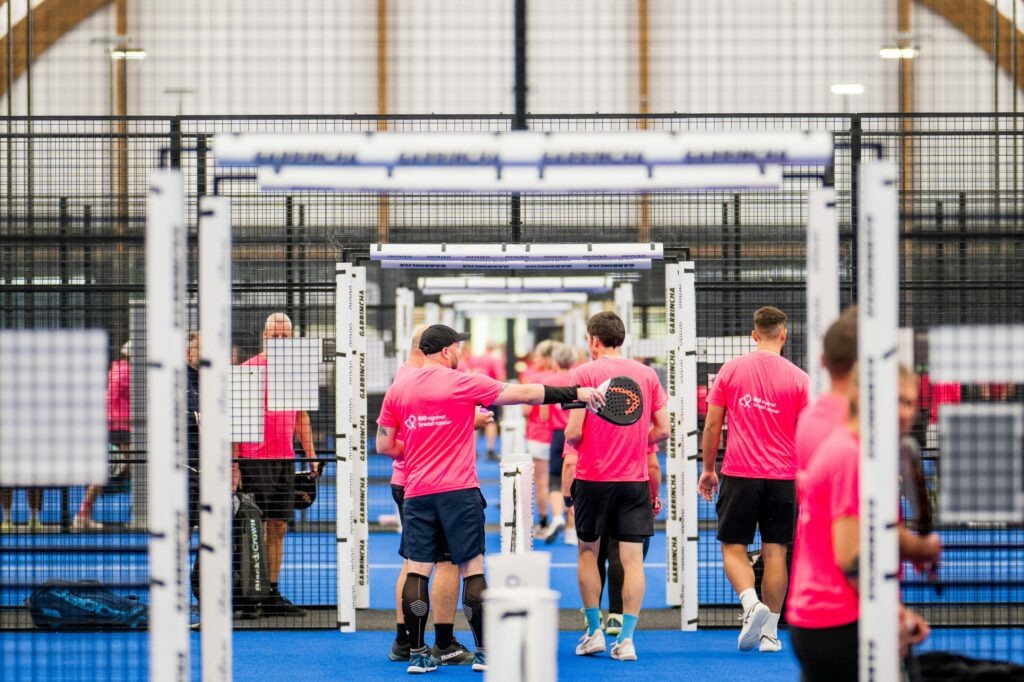
Padel has grown rapidly in Belgium, becoming a popular choice for people looking for an active and social way to exercise. The sport combines features of tennis and squash and is usually played by two teams of two. Its simple rules and fast rallies have helped attract people who may not have played traditional racket sports before.
Padel was invented in Mexico in 1969 and later became especially popular in Spain and Argentina. Its spread across Europe accelerated in the late 2010s and grew further during and after the COVID-19 pandemic. In Belgium, the sport has moved from a relatively unfamiliar activity to one played by people of different ages and sporting backgrounds.
One reason for its appeal is that beginners can often enjoy a game without years of training. The enclosed court keeps the ball in play more often, while the smaller playing area encourages teamwork and quick reactions. Players still need skill and fitness, but the format can make the sport feel less demanding at the start than some other racket games.
Padel’s popularity has also created opportunities for clubs and businesses. Facilities can attract members, organise lessons and host social events or competitions. However, fast growth can bring challenges, including finding suitable space, keeping court fees affordable and ensuring that facilities are available outside major cities.
The sport’s rise reflects a broader interest in activities that combine exercise with social contact. Many players value the chance to spend time with friends while remaining active. Clubs can also help new players meet others and build a regular routine around sport.
Sustaining this growth will depend on access and quality. If courts become too expensive or difficult to book, some players may be discouraged. Training for coaches and clear standards for facilities can also help the sport develop in a safe and organised way.
Padel is now part of Belgium’s changing sports culture. Its continued success will depend on whether clubs can make it accessible to newcomers while offering enough opportunities for experienced players. For many people, its mix of movement, teamwork and fun is the main reason it has become a lasting attraction.

