

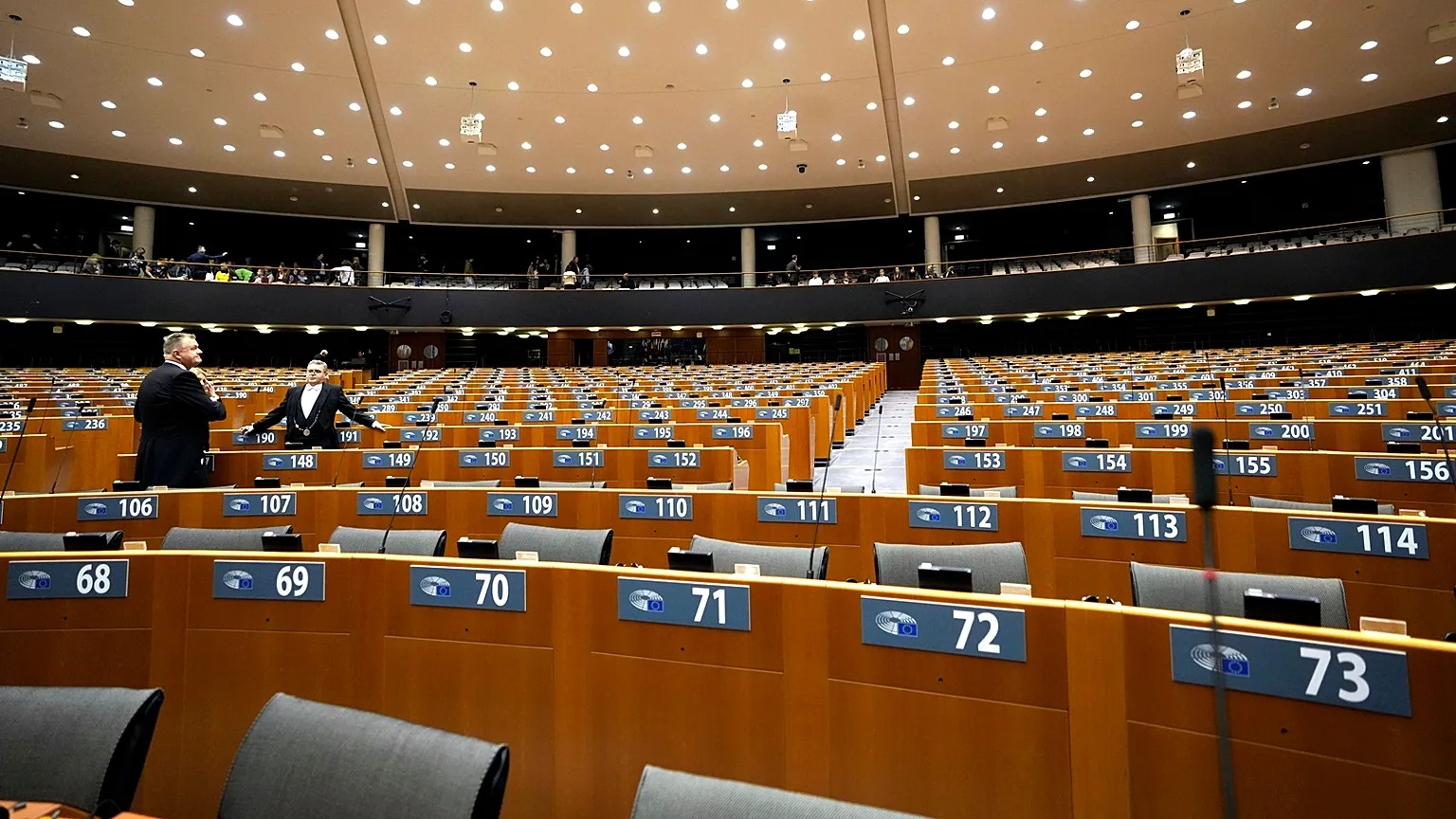
The Brussels Parliament is scheduled to hold a key plenary vote on Friday, October 2, as lawmakers consider a resolution opposing a federal bill that would change rules surrounding police entry into private homes. The vote follows a committee decision made on September 28 and is expected to take place from 4 p.m., according to the Brussels government monitoring record.
The federal bill has become a major subject of debate because it concerns the circumstances under which police could enter private homes to arrest foreign nationals who have been ordered to leave Belgium. Under the proposed system, police would need permission from an investigating judge but would not require the direct consent of the occupants.
Supporters of the federal proposal argue that authorities need effective tools to enforce removal orders. Belgium, like several European countries, has been dealing with questions about migration management and the enforcement of decisions involving people without legal residency. The government has argued that existing procedures can make removals difficult when individuals cannot be located or when access to private premises is restricted.
Opponents of the bill have raised concerns about privacy and the protection of the home. A person’s home is generally considered a highly protected private space, and any power allowing police to enter without the resident’s consent can therefore raise important legal questions. The debate has focused on how to balance enforcement with individual rights.
The Brussels Parliament’s planned vote is significant because the regional legislature is taking a position on a federal measure. Belgium’s political system divides responsibilities between federal, regional and community authorities. This can sometimes make national policy debates more complicated because different levels of government may hold different views.
The October 2 vote follows a disruption to an earlier parliamentary process. According to reporting from The Brussels Times, a planned vote on amendments was affected by a technical problem linked to a power outage. The disruption delayed the process and helped move attention toward the next stage of parliamentary consideration.
The issue has also attracted attention from civil society groups. Organisations concerned with migration, civil liberties and policing have followed the debate closely. Their main concern is whether the proposed powers would create enough safeguards to protect residents and prevent unnecessary intrusion into private homes.
The government, meanwhile, must consider how to enforce decisions already made under immigration law. When someone has received an order to leave the country, authorities need practical ways to carry out that decision. If the person cannot be located or refuses to cooperate, officials may argue that current powers are not sufficient.
The debate is therefore not limited to migration policy. It also concerns the relationship between police powers, judicial oversight and individual privacy. Requiring approval from an investigating judge is intended to create an independent check before police can enter a home. The effectiveness of that safeguard will depend on how the system is implemented and what standards judges apply.
For residents of Brussels, the issue matters because it concerns the limits of state authority inside private homes. The question is how far police powers should extend when authorities are trying to enforce an existing legal decision. Different political groups have taken different positions, making the parliamentary debate an important part of the wider Belgian discussion.
Friday’s vote will not necessarily end the national debate. A parliamentary resolution in Brussels is part of a broader Belgian political process, and further discussions may take place at federal level. The federal government will also need to consider the political response from regional institutions.
The October 2 session therefore represents an important stage in the dispute. Lawmakers will decide whether to formally oppose the federal bill, while supporters and opponents continue to argue about enforcement, privacy and judicial safeguards. The outcome will add another chapter to Belgium’s continuing debate over immigration law and police powers.

