

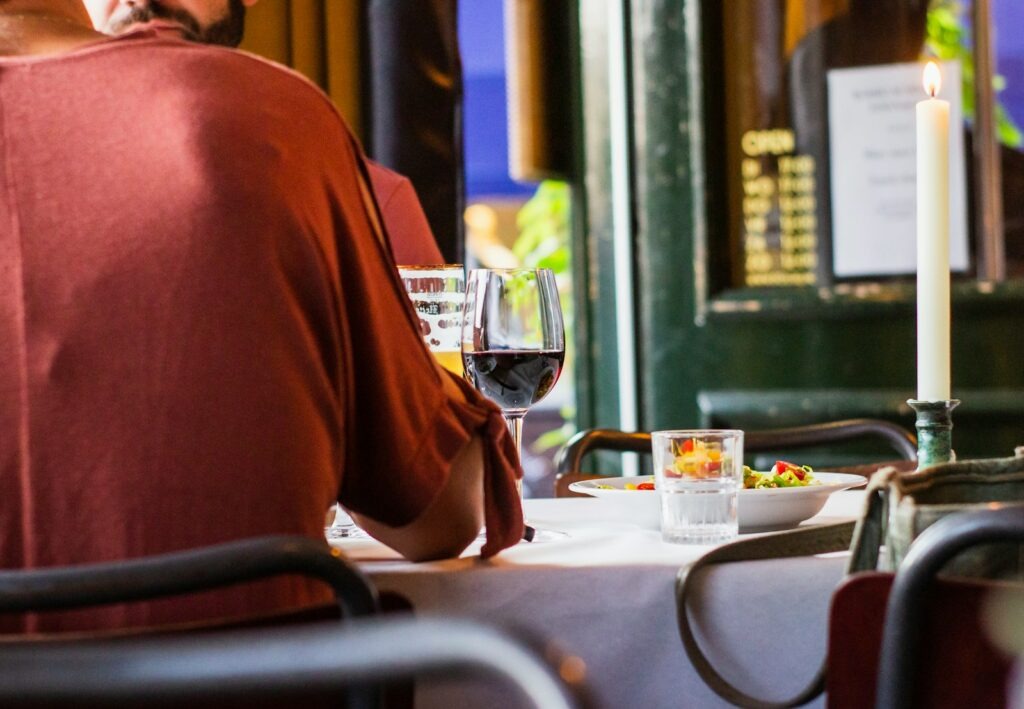
Belgium plans to turn diners into unpaid tax inspectors. A new lottery will be built around the humble till receipt. It will be run by the National Lottery from next year. The aim is to cut tax fraud in bars, cafes and hotels. Customers will have a reason to ask for proper paperwork.
The idea is simple. A customer pays for a meal and asks for an official VAT receipt. That receipt carries a code. The customer scans the code with a phone app. The app then shows whether the receipt has won a prize.
The trick lies in what happens next. Asking for a receipt forces the sale to be logged. A logged sale is far harder to hide from the tax office. The customer does not need to report anything. The act of asking does the work.
Stephanie Deleul, a spokesperson for the National Lottery, set out the process. She said scanning the code through the app tells players at once if they have won. Prizes will be paid straight into a bank account. The finance ministry must approve each payout. The system is designed to be quick.
Belgium already has tools in this area. Any hospitality business that takes more than 25,000 euros a year from meals must use a white register. That is a certified till system. It links to the finance ministry and shares sales and tax data. It was brought in to fight undeclared work.
Even so, gaps remain. Cash payments are still common in small venues. A sale that never reaches the till leaves no trace. Staff hours can also go unreported. Inspectors cannot visit every venue in the country.
That is where the lottery comes in. It costs little to run compared with hiring more staff. It shifts some of the work onto willing customers. It also makes asking for a receipt feel normal. Right now, many people simply walk away without one.
The approach is not new in Europe. Portugal launched a lucky receipt draw with cars as prizes. Slovakia ran a similar scheme and saw strong take up. Romania set one up and reported a rise in declared tax. Brazil and Puerto Rico have used the model too.
Results elsewhere have been encouraging but not magic. Officials in Romania linked the draw to a measurable lift in tax receipts. A former finance minister there called it a real success. Other studies are more careful. They note that a lottery works best alongside strong checks.
The hospitality trade in Belgium has faced a hard few years. Costs have risen and staff are hard to find. Some owners feel singled out by tax rules. Others welcome anything that levels the field. Honest venues lose business to rivals who dodge their duties.
Industry groups will want detail before backing the plan. They will ask about the size of prizes and the cost of new kit. They will also ask who handles complaints. The finance ministry has not yet published the full rules. More information is expected before launch.
For customers the change should be painless. There is no fee and no sign up cost beyond the app. Scanning takes seconds. Winnings go straight to the bank. Losing simply means nothing happens.
There are questions about privacy. Any app that logs receipts collects data about spending. Officials will need to explain what is stored and for how long. Clear limits will help build trust. Without them, take up could stay low.
The wider prize is public money. Sales tax is a major source of state income. Money lost to fraud has to be found elsewhere. That usually means higher taxes for everyone else. Belgium is betting that a small game can help close the gap.
The scheme is due to start next year. No exact date has been fixed. Officials say the app and the rules must be ready first. Until then, the advice stands. Ask for the receipt.

