

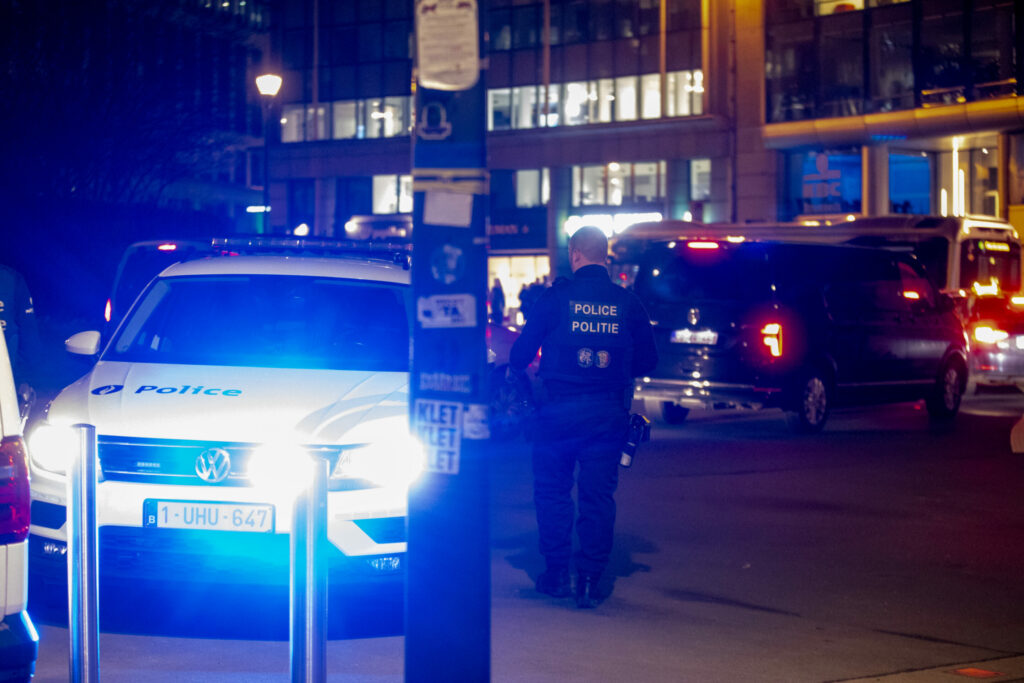
Brussels is dealing with a new spike in gun violence, with several shootings hitting the city in recent days and pushing officials to call the situation a national emergency. The latest incident saw gunmen fire an automatic weapon at a street junction overnight, though no one was hurt and the attacker fled before police arrived. The shooting added to a string of at least six similar incidents that struck the capital within a short stretch of days.
Belgium’s interior minister said the violence appears to be a direct response from drug networks facing pressure from police. Officers have stepped up efforts to disrupt drug operations across the city, and officials believe criminal groups are lashing out as their activities come under closer watch. The minister said police must not be intimidated by the rise in violence, even as the shootings grow more frequent and more brazen.
Data from the first seven months of this year already shows fifty seven recorded shootings in Brussels, putting the city on pace to pass last year’s total, which itself marked a record high. Weapons used in recent attacks have grown more powerful, with officials pointing to the use of military grade firearms in some incidents. One shooting even struck a police station directly, a moment officials called deeply alarming and a sign of how serious the threat has become.
The interior minister has pushed for the issue to reach the national security council, arguing that local police alone cannot handle a threat of this scale. He has already sent dozens of extra officers into the capital and says he is looking at ways to boost that number further. Officials note that police assigned to this kind of work need special training and experience, which limits how quickly reinforcements can be added.
Local leaders have voiced frustration over how resources are shared across the country. The mayor of one Brussels district has called for the same level of funding and support given to police forces in other major Belgian cities. The interior minister pushed back on that claim, saying federal police support in Brussels already exceeds what other cities receive, though he acknowledged that more cooperation between local and federal authorities is needed to fully address the problem.
Brussels’ regional leader has called the recent violence a clear warning sign, insisting that organized crime networks will not be allowed to take hold of the city. Investigations into each shooting remain open, with police working to identify suspects and trace the source of weapons involved. Officials have noted that criminal networks often recruit young people and undocumented migrants as street level dealers and lookouts, offering them small payments and treating them as easily replaceable.
Residents in affected neighborhoods say the repeated violence has left many on edge, particularly in areas already dealing with concerns about safety and crime. Community leaders are calling for more visible police presence alongside efforts to address the root causes that draw young people into criminal networks in the first place.
As authorities weigh their next steps, the coming weeks will test whether stronger police numbers and coordinated national action can slow the violence. For now, officials say the fight against organized crime in the capital remains a top priority, even as the shootings continue to test the city’s sense of safety and order.

