

Unions and employer groups in Belgium have issued a joint warning this week. They say continued budget savings and staffing limits are putting pressure on the federal government. Both sides rarely agree on economic policy, making this shared concern notable. Officials say the warning reflects deep worry about how far current savings plans can go.
The federal government has pushed budget discipline hard in recent years. Belgium has worked to lower its deficit and meet European fiscal targets. That effort has meant tighter spending across many government departments. Staffing levels in some public services have also been trimmed as part of the wider savings drive.
Union leaders argue that further cuts risk damaging public services citizens rely on daily. They point to strained departments already struggling to keep pace with demand. Employer groups, while usually pushing for lower public spending, say some of the current constraints are starting to hurt efficiency rather than help it. That shared view is what pushed both sides to speak out together.
This warning follows months of tension over Belgium’s budget path. The federal government has faced a long and difficult process forming stable coalitions in recent years. Brussels alone went without a full regional government for an extended stretch, a delay that further complicated national budget planning. Analysts say that political uncertainty has made consistent fiscal policy harder to deliver.
Belgium’s social security system is feeling similar strain. Pension services and wider social security administration are facing rising operational pressure. Officials handling pension claims report growing workloads without matching increases in staff or resources. This mirrors the broader concern raised by unions and employers this week about stretched public capacity.
Economic data shows Belgium’s fiscal challenge is not new. The country has wrestled with high public debt levels for years. Meeting European Union budget rules while protecting core services has proven difficult for successive governments. Officials say balancing these competing pressures remains one of the toughest tasks facing federal policymakers.
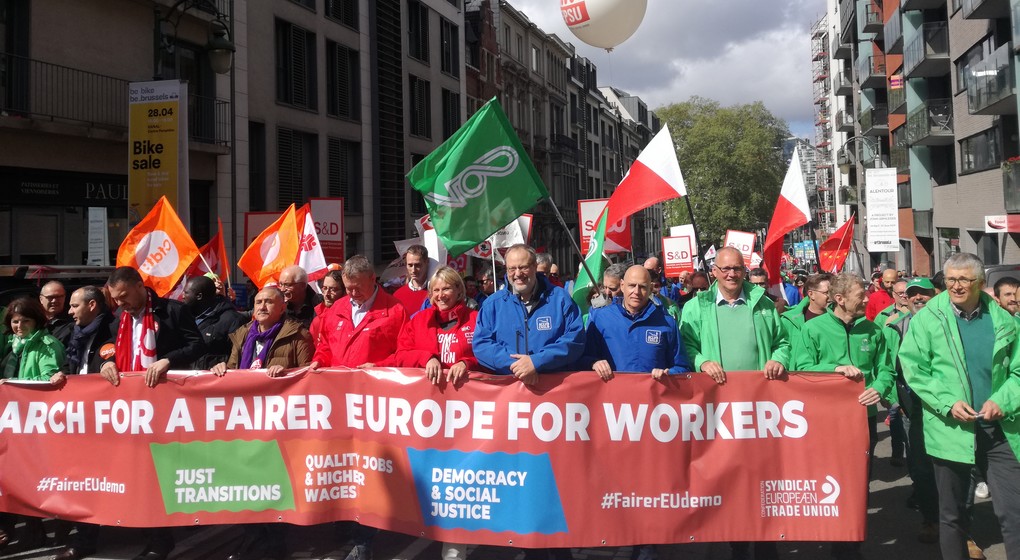
Belgium’s economy continues to function despite these strains, though signs of stress are visible. Recent public protests have highlighted frustration over austerity measures. Large crowds marched in Brussels earlier this year against reforms tied to the national budget. That demonstration reflected wider public unease about the direction of fiscal policy.
Business groups say clarity is needed soon. Companies planning investment or hiring want to know how stable government funding and services will remain. Uncertainty over budget policy can make long-term planning harder for firms across sectors. Officials from employer associations say a clear, steady plan would help restore confidence among both workers and businesses.
The government has not yet responded in detail to this week’s joint statement. Officials say budget talks are ongoing and further decisions are expected in the coming months. Unions say they will continue pushing for protections on public services, while employer groups say they want smarter, not just deeper, cuts.
For now, both sides agree on one point: current savings measures are being felt on the ground. Whether the federal government adjusts course remains to be seen. Belgium’s budget debate looks set to remain a central political issue as the year moves toward its final months.

