

The European Union is preparing a massive €450 billion investment plan aimed at strengthening its digital independence and reducing reliance on foreign technology providers, as Brussels accelerates efforts to secure its position in the global digital economy.
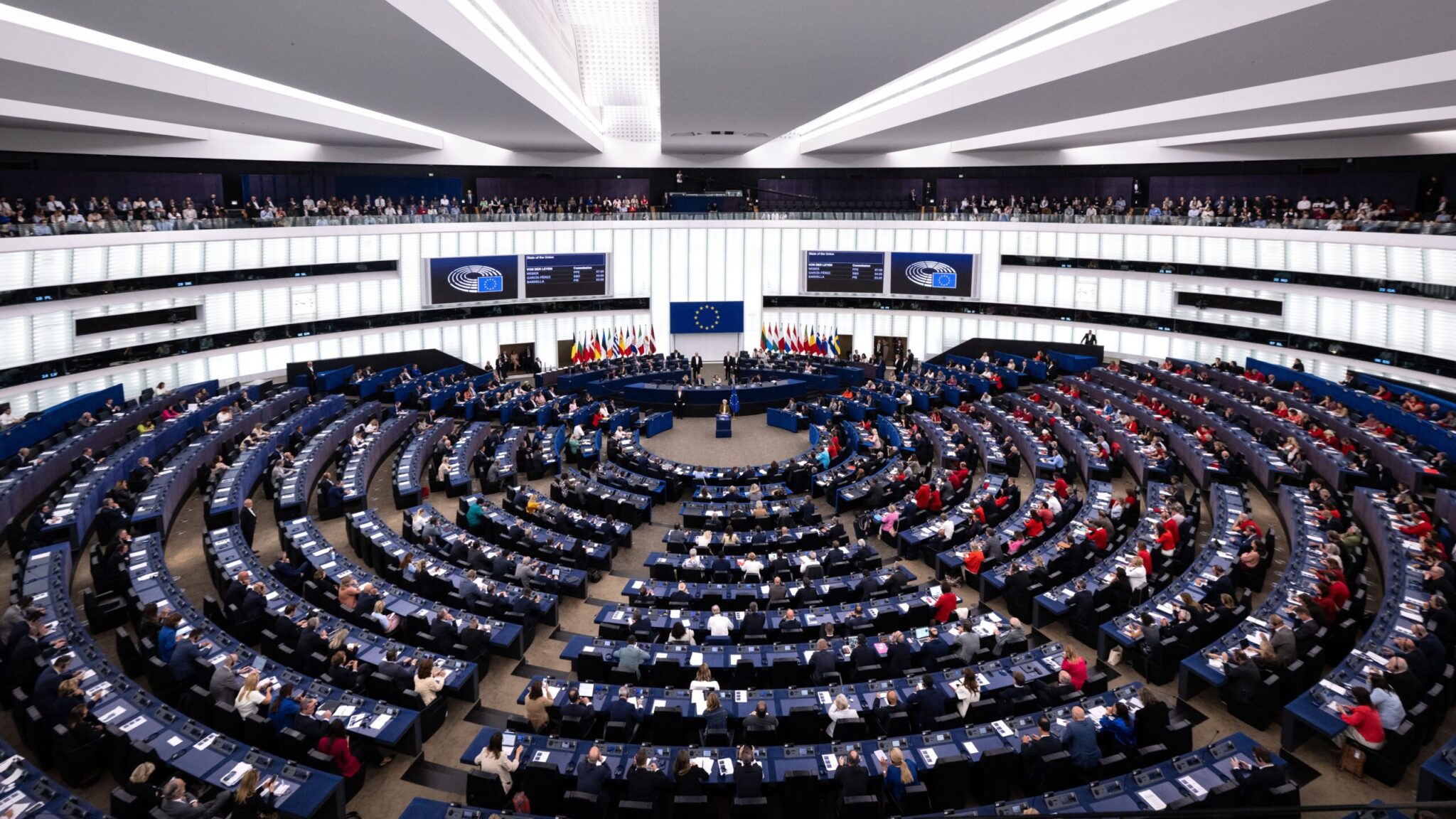
EU Commissioner Henna Virkkunen outlined the proposal during a debate in the European Parliament in Strasbourg, saying the bloc must build a more resilient and self-reliant digital ecosystem. She stressed that artificial intelligence, cloud computing, and cybersecurity are now central to both economic competitiveness and political security.
According to Virkkunen, the EU’s goal is to strengthen supply chains, improve technological sovereignty, and ensure that Europe can make independent decisions in a world where digital infrastructure is increasingly linked to geopolitical power. She warned that the rapid rise of advanced AI systems has introduced new cybersecurity risks, making stronger regulation and investment essential.
A key part of the strategy is reducing dependence on major global technology companies by setting clearer rules for cloud services and AI systems used by both governments and businesses. Virkkunen said the public sector in particular must avoid over-reliance on external providers, arguing that this could create long-term vulnerabilities in critical systems.
She clarified that digital sovereignty does not mean isolation or protectionism, but rather building a stronger and more resilient European economy. The proposed €450 billion investment would be deployed over the next decade and is intended to support innovation, infrastructure development, and technological capacity across the bloc.
The proposal has sparked debate among Members of the European Parliament, with some expressing support and others raising concerns about cost, competitiveness, and regulatory balance. Ernő Schaller-Baross of Hungary’s Fidesz party said the goals of digital sovereignty and job creation are widely supported but warned that excessive regulation could slow innovation if not carefully designed.
He also questioned whether such large-scale technology spending is balanced against other EU priorities, including cohesion policy, rural development, and agricultural funding. His comments reflected broader concerns about how the EU allocates its long-term budget across competing sectors.
Fellow MEP András László also criticized Europe’s current position in global technology markets, arguing that the EU remains behind both the United States and China in innovation. He pointed to structural challenges such as a shortage of engineers, limited semiconductor production capacity, high energy costs, and regulatory complexity that he believes discourages investment in data infrastructure.
Another lawmaker, Dóra Dávid of the Tisza Party, warned that dependence on foreign-controlled chips, software, and cloud systems could expose Europe to strategic risks. She argued that the EU must develop alternatives across the entire technology value chain to ensure secure and uninterrupted access to essential digital services for governments, businesses, and citizens.
László further emphasized that Europe often follows technological trends set by other global powers rather than leading innovation itself. He said achieving real digital sovereignty would require the EU to become a global technology leader instead of a technology follower.
Zsuzsanna Borvendég of Hungary’s Our Homeland party also criticized the EU’s current approach, arguing that Europe remains overly dependent on large international tech companies. She linked this issue to broader policy challenges, including migration, support for Ukraine, and energy costs associated with the green transition, which she said reduce funds available for technological development.
Borvendég also called for stricter enforcement of EU regulations against major tech firms, arguing that compliance with European laws should be a foundation of any digital sovereignty strategy.
The debate highlights growing divisions within the EU over how to balance innovation, regulation, and economic competitiveness while pursuing greater digital independence. As Brussels moves forward with its €450 billion plan, the outcome will likely shape Europe’s technological future for years to come.

