

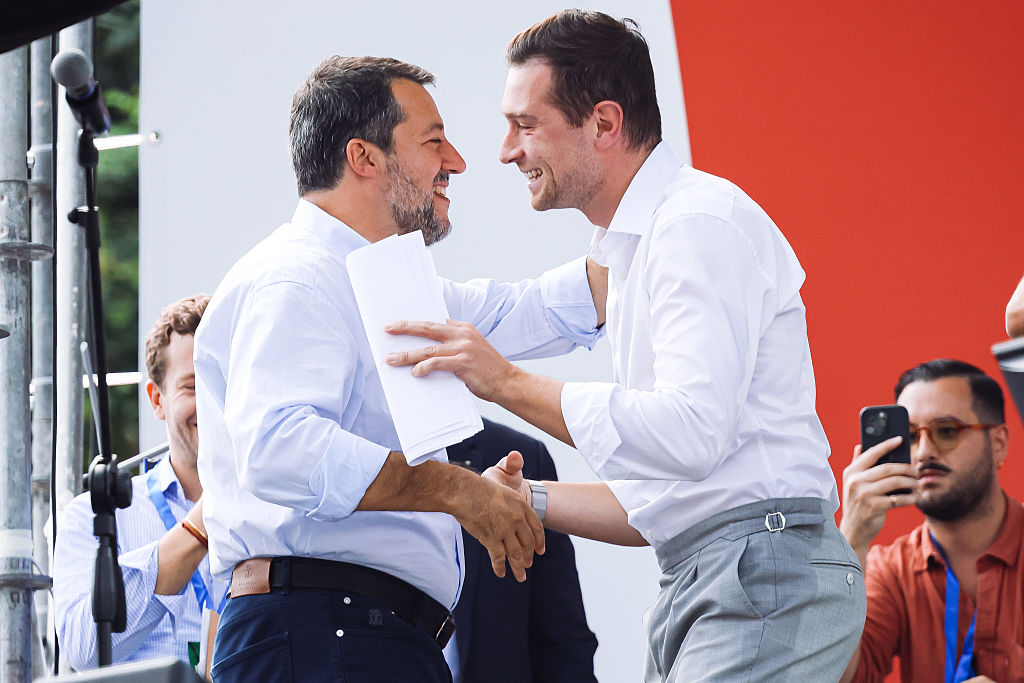
Defence votes in the European Parliament are exposing growing divisions inside Europe’s far-right political groups, as debates over Ukraine and EU defence policy become a key test of political credibility ahead of upcoming national elections.
Since Russia’s full-scale invasion of Ukraine in February 2022, votes on defence and security issues have become a major dividing line in Brussels politics. Support for Ukraine has increasingly shaped how political parties are judged inside the European Parliament, creating pressure on far-right groups to take clearer positions on security policy.
Analysts say these votes are not just symbolic. They are now seen as a practical test of whether political groups can influence EU decision-making or remain on the political margins. This shift has affected how far-right parties interact with mainstream groups, especially on issues linked to defence funding, military support, and EU security cooperation.
According to analysis by MEP Analytics, defence-related votes have acted as a sorting tool inside the European Parliament. The analysis suggests that parties supporting Ukraine and EU defence cooperation have gained more institutional credibility, while those opposing or abstaining have faced increasing isolation.
The biggest tensions are visible within the European Conservatives and Reformists group, where members do not always agree on defence policy or Ukraine support. Some parties within the group have supported stronger EU defence measures, while others have taken more cautious or critical positions.
These internal differences reflect a wider challenge facing Europe’s far-right political movements. As they gain support in national polls across several countries, they are also under pressure to show unity on major international issues. Defence policy, especially linked to Ukraine, has become one of the most sensitive topics.
A senior European Parliament official told Euractiv that some political forces have changed how they are viewed inside the institution by taking a more active role in defence discussions. The official said that constructive engagement on security issues has helped certain parties improve their standing within parliamentary processes.
At the same time, parties that have resisted EU defence initiatives or avoided clear positions are finding it harder to build alliances. This has led to more visible divisions during key votes, particularly on resolutions related to military aid, sanctions, and long-term defence planning.
EU lawmakers say defence policy has become one of the most important areas shaping political identity in Brussels. Unlike other policy areas, security decisions often require cross-party cooperation, especially during urgent votes on Ukraine-related measures.
The situation is expected to become even more important as elections approach in several European countries. Far-right parties are trying to balance domestic political messaging with their positions in the European Parliament, where cooperation is often needed to influence legislation.
Experts say this balancing act is creating internal stress within political alliances. Some parties are pushing for stronger national control over defence policy, while others are adapting to EU-level cooperation frameworks. This difference in approach is becoming more visible during parliamentary voting sessions.
The debate also reflects broader uncertainty over Europe’s long-term security strategy. As the war in Ukraine continues, EU institutions are increasing focus on defence coordination, military readiness, and support for partner countries. These priorities are shaping political debates across all major party groups.
Despite internal disagreements, far-right groups remain influential in several member states. However, analysts say their ability to act as a unified bloc in Brussels may be weakening due to divisions over key foreign policy issues.
For now, defence votes continue to serve as a key measure of political alignment in the European Parliament. As elections draw closer, these divisions are expected to remain a central feature of EU political debates, particularly within Europe’s fragmented far-right landscape.

