

European Union leaders are preparing to discuss major changes to the bloc’s Russia sanctions system, including a proposal to extend renewal periods from six months to one year.
The proposal is expected to be discussed during a summit in Brussels in mid-June as officials continue efforts to strengthen pressure on Russia over the war in Ukraine.
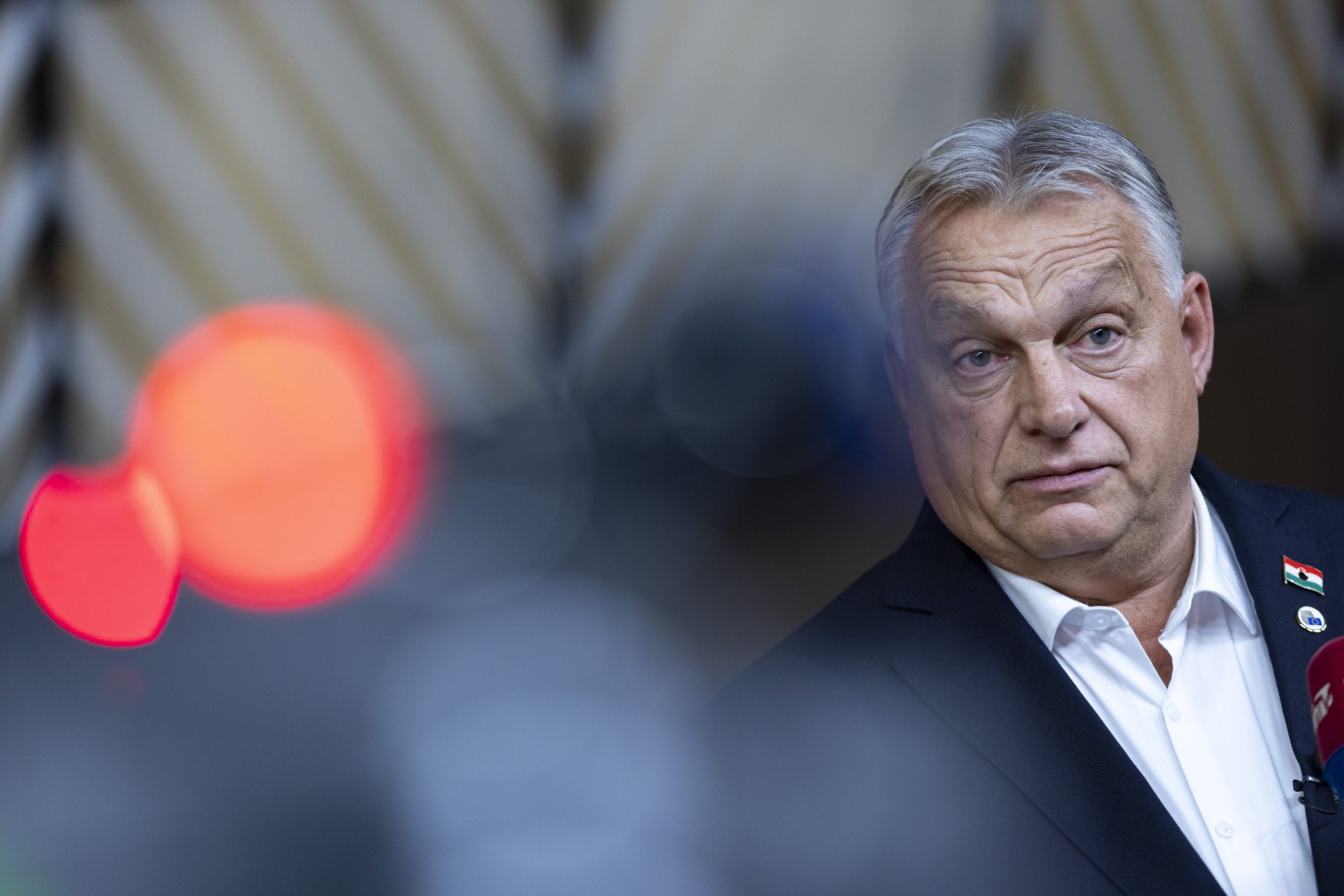
The debate over EU Russia sanctions renewal comes after major political changes in Hungary, where longtime Prime Minister Viktor Orbán recently lost power after 16 years in office.
According to officials familiar with the talks, diplomats from several Northern European countries raised the idea during private discussions last week. EU officials are expected to continue reviewing the proposal ahead of the General Affairs Council meeting scheduled for May 26.
Currently, all sanctions against Russia must be renewed every six months with unanimous approval from all 27 EU member states. That process has repeatedly created uncertainty because a single country can block the extension of sanctions packages.
EU officials believe extending the cycle to once per year would improve political stability, reduce administrative pressure, and strengthen the legal standing of the sanctions regime.
The EU has introduced 20 sanctions packages against Russia since the start of the Ukraine war. The measures target banking, energy, trade, military industries, shipping operations, and individuals linked to the Kremlin.
During Orbán’s time in office, Hungary frequently delayed or complicated sanctions negotiations. EU diplomats often faced tense discussions every six months while trying to maintain unity among member states.
Before losing last month’s election, Orbán also delayed a major EU financial package designed to support Ukraine’s defense efforts. He accused Ukraine of failing to repair a pipeline carrying Russian oil to Hungary and Slovakia.
With new leadership now in place in Hungary, EU officials believe there may be more room for agreement on Russia-related policies.
The discussion over EU Russia sanctions renewal is happening alongside work on a possible 21st sanctions package. Diplomats said the next round of measures could focus heavily on Russia’s so-called shadow fleet, which has been used to move oil and bypass existing restrictions.
Some officials also said the proposed package may target Russia’s defense industry and military supply networks.
Meanwhile, the European Commission is expected to give member states the option of either keeping the current six-month system or switching to a yearly renewal process.
António Costa is expected to formally present the issue to EU leaders during next month’s summit discussions.
The renewed momentum follows the EU’s recent progress on several delayed files linked to Ukraine support. In late April, EU ambassadors approved a major $105 billion loan package intended to assist Ukraine’s defense and recovery efforts.
Officials completed the formal approval process ahead of a major EU summit held in Cyprus in late April.
The latest sanctions packages continue targeting Russia’s banking sector, military industries, and energy exports. However, EU leaders delayed a complete maritime ban on Russian oil shipments while waiting for coordination with the Group of Seven nations.
European leaders now hope the possible changes to the sanctions renewal process will create greater stability inside the bloc while maintaining long-term pressure on Moscow during the ongoing conflict.

