

European Wildfire Management was the central focus of a major Forest Fire Commission meeting held in Brussels in April 2026. Representatives from multiple countries across Europe gathered to discuss growing wildfire risks, new technologies, and improved coordination between nations. The meeting highlighted how wildfire threats are becoming more complex due to climate change and rising temperatures.
Countries represented included Greece, France, Croatia, Slovenia, Bulgaria, Germany, Czech Republic, Austria, Belgium, Norway, and Finland. In addition, Associated Members from France, Belgium, the United Kingdom, Germany, and Spain also participated. The wide participation showed strong European cooperation on wildfire response and prevention strategies.
Discussions focused on the increasing role of artificial intelligence in firefighting operations. Experts explored how AI tools can help predict fire spread, improve response times, and support decision-making in high-risk situations. These technologies are becoming more important as wildfire seasons grow longer and more intense across Europe.
Participants also reviewed fire spread models and advanced decision-support systems. These tools help emergency teams understand how fires may develop under different weather conditions. Better forecasting is seen as key to reducing damage and improving coordination between countries during large wildfire events.
A major topic during the European Wildfire Management meeting was the difficult 2025 fire season. Officials shared lessons learned from recent wildfire incidents and discussed how those experiences can improve preparedness for future emergencies. The focus was on strengthening early warning systems and improving resource sharing between nations.
Another important outcome of the meeting was the development of new initiatives for the 2026 fire season. Participants agreed on plans to publish updated lessons learned reports. These reports will help guide national agencies and improve response strategies across Europe.
Associated Members presented a range of new solutions during the discussions. These included advanced fire retardants used in suppression efforts, improved prevention techniques, and new firefighting clothing and equipment. The presentations also covered regulatory frameworks within the European Union, showing how policy and technology are working together to support wildfire management.
A key highlight of the meeting was a presentation by Safe.Brussels, along with contributions from Sophie Lavaux, who serves as Governor for crisis management in the Brussels Region. Her role in coordinating emergency response efforts was highlighted as an example of strong regional leadership in crisis situations.
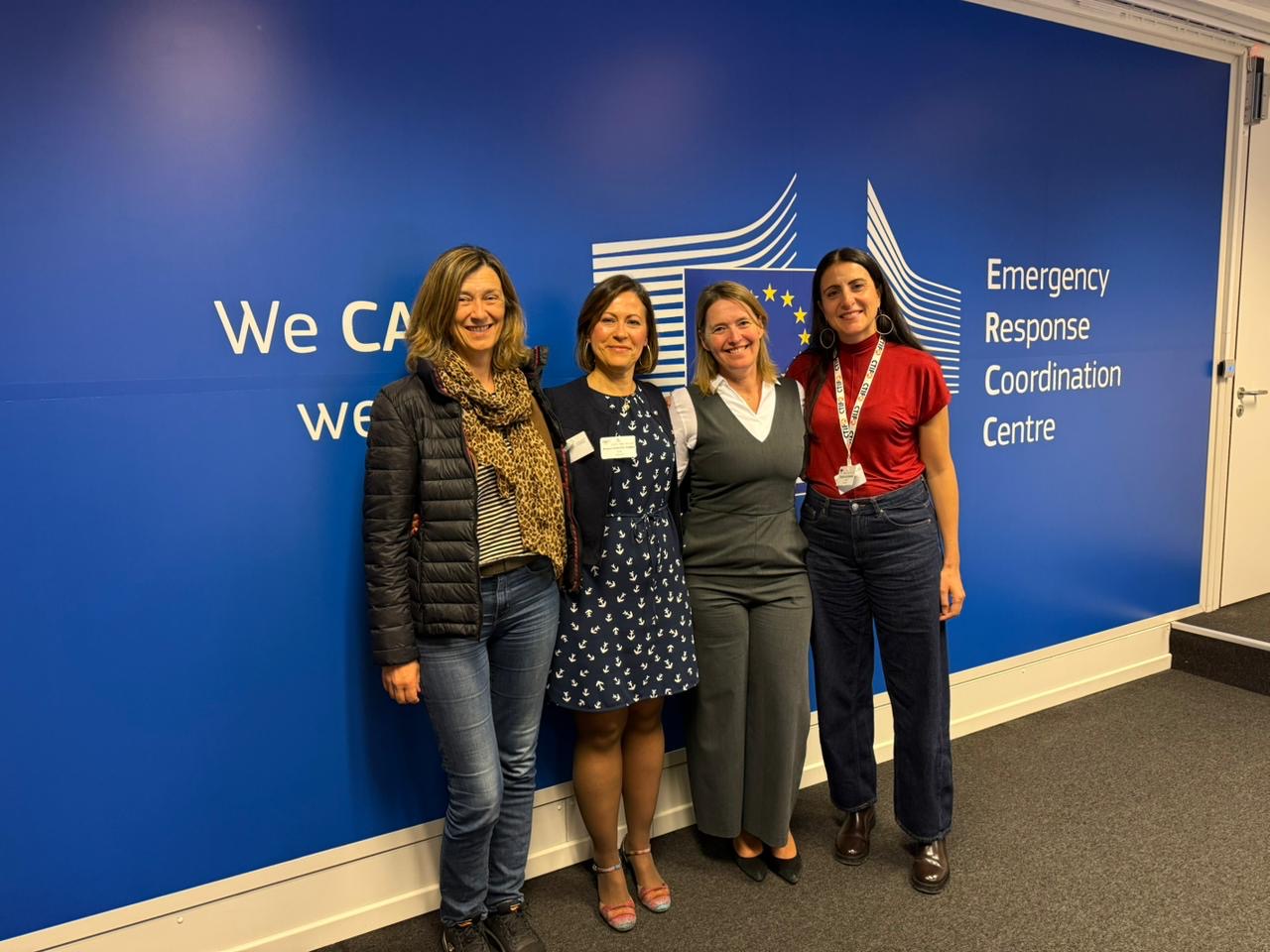
Delegates also visited the European Response Coordination Centre, known as ERCC. There they received a detailed briefing on the European Civil Protection Mechanism. Claire Kovalewski presented an overview of how the system supports coordinated emergency responses across member states during disasters, including wildfires.
The European Wildfire Management discussions emphasized the importance of cross-border cooperation. Officials noted that wildfires do not respect national boundaries, making international coordination essential. Sharing resources, technology, and expertise was described as a key part of improving resilience.
The meeting also highlighted how climate change is increasing the frequency and intensity of wildfires in Europe. Rising temperatures, dry conditions, and changing weather patterns are contributing to more dangerous fire seasons. As a result, governments are investing more in prevention, technology, and coordinated response systems.
Participants expressed strong commitment to continued cooperation. They emphasized that building resilience requires joint action across countries, agencies, and disciplines. The meeting concluded with a shared goal of strengthening Europe’s ability to respond to future wildfire threats more effectively and efficiently.

