

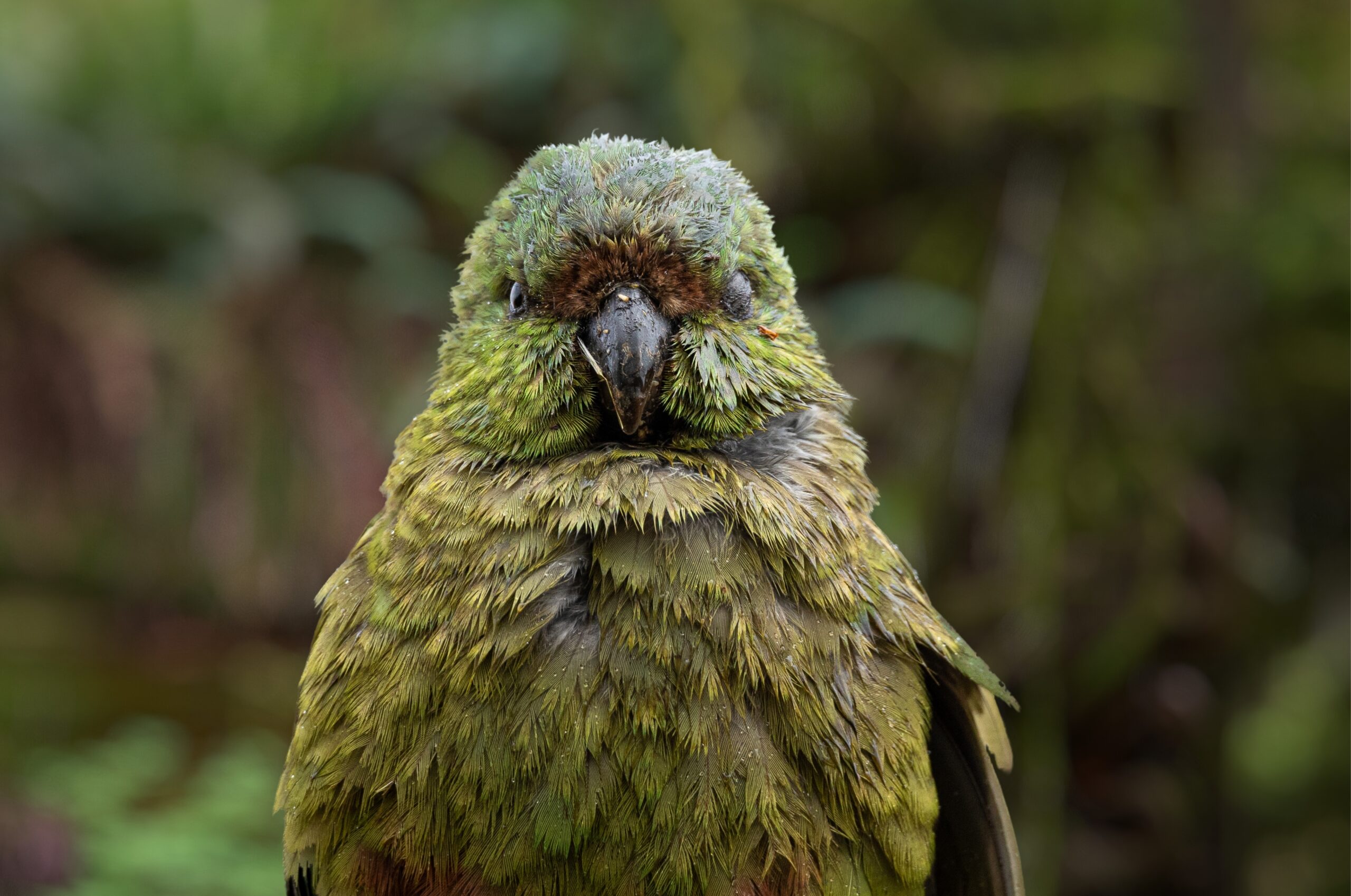
New Zealand is racing to protect its critically endangered birds, including the kākāpō, from the deadly H5N1 avian influenza before spring migration brings the virus to the region. With fewer than 250 kākāpō left, even a single outbreak could be catastrophic.
In a world-first trial, the Department of Conservation vaccinated 10 captive birds from five endangered species, including the kākāpō, takahē, kakī, tūturuatu, and one kākāriki species. Using the H5N3 poultry vaccine, four species developed strong antibodies lasting at least six months, offering hope for protecting captive breeding populations and their wild offspring.
Vaccination of wild birds is far more challenging due to logistics, stress, and the need for multiple doses. Other countries, including the US and Australia, are monitoring the approach, with similar efforts having protected California condors and other species from avian flu.
Scientists caution that viruses can evolve, potentially reducing vaccine effectiveness or driving more pathogenic strains. Still, the consensus is that vaccinated birds are safer than unprotected populations.
“If we start too soon, immunity may fade. If too late, we might miss the crucial moment,” said DOC wildlife veterinarian Kate McInnes.
The programme aims to strategically immunize birds in captivity before migration season, balancing timing, safety, and the need to maintain critical antibody protection.

