

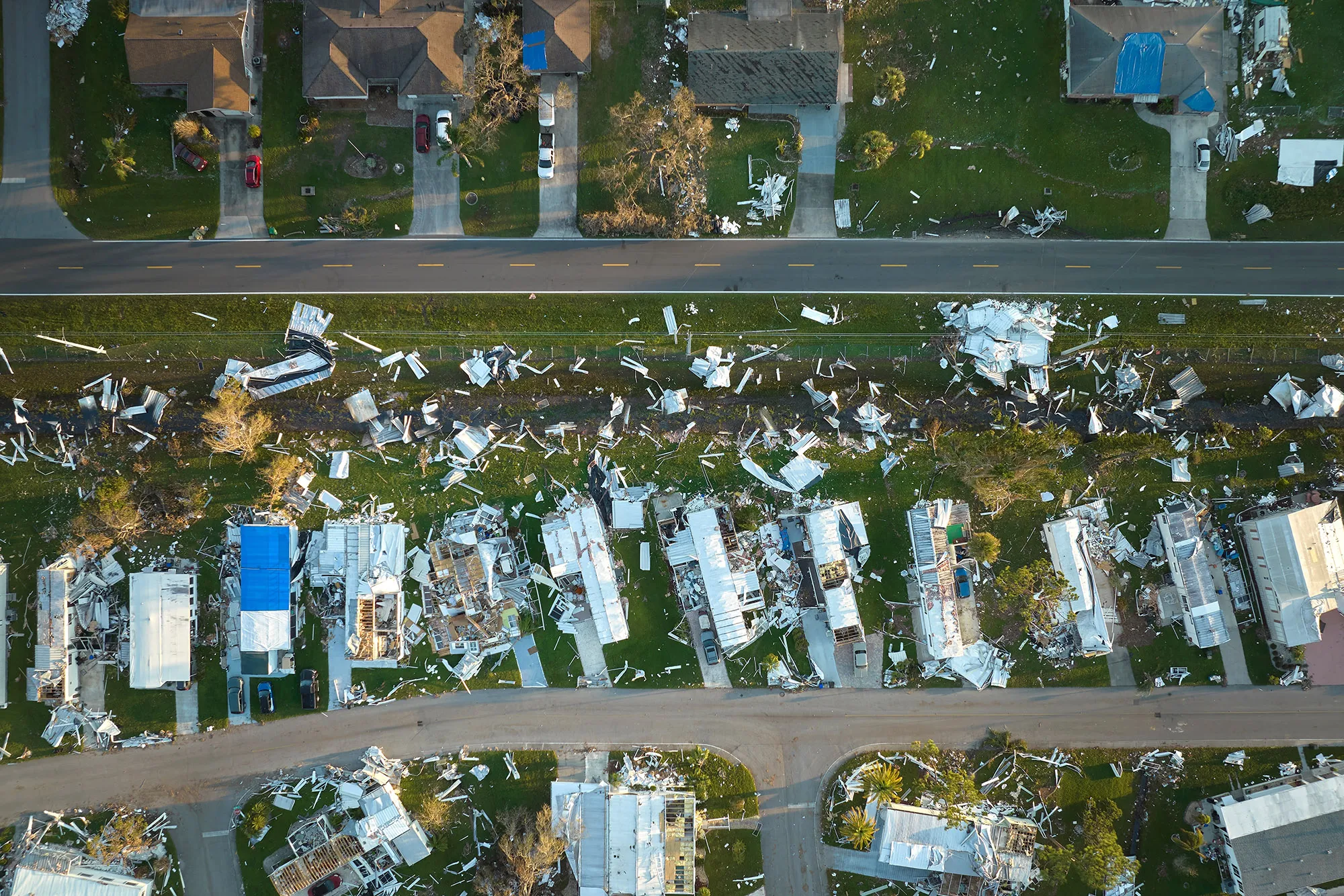
The United States Congress is moving forward with plans to reform federal disaster management and emergency aid. Lawmakers are drafting the Fixing Emergency Management for Americans Act of 2025, which aims to modernize aid delivery and improve coordination between local, state, and federal agencies.
Officials said the proposed legislation is designed to make emergency response faster, more efficient, and better tailored to the needs of affected communities. By updating policies and procedures, the law seeks to reduce delays in relief and improve outcomes for those impacted by natural disasters.
The reform plan emphasizes strengthening partnerships among federal, state, and local authorities. Coordinated efforts are expected to streamline disaster response, enhance resource allocation, and ensure that emergency services reach communities quickly and effectively.
Key provisions include modernizing data and communication systems, improving funding distribution for disaster relief, and implementing new standards for preparedness and response. Officials also plan to incorporate lessons learned from past emergencies to minimize gaps in aid delivery.
Congressional leaders said the legislation reflects a commitment to protecting citizens from the increasing frequency and severity of natural disasters. “Our communities deserve a disaster response system that is fast, reliable, and well-coordinated,” said a congressional spokesperson.
The Fixing Emergency Management for Americans Act also proposes better support for first responders and emergency workers. By ensuring proper training, resources, and funding, the law aims to strengthen the capacity of those on the frontlines of disaster response.
Analysts note that modernizing federal disaster management can reduce the long-term costs of emergencies by improving efficiency and preventing misallocation of resources. Timely aid also reduces human and economic impacts in the aftermath of storms, floods, wildfires, and other disasters.
The proposed reforms encourage innovation in disaster management. Technology upgrades, predictive analytics, and integrated communication networks are expected to enhance situational awareness and allow agencies to act quickly during emergencies.
Lawmakers also plan to increase community involvement and feedback mechanisms. By engaging local stakeholders, the legislation ensures that aid programs meet the real needs of affected populations and promote equitable access to emergency resources.
The legislation is expected to undergo debate and revisions before final approval. Once passed, the law could reshape how the United States manages disaster relief, prioritizing speed, coordination, and effectiveness across all levels of government.
Officials emphasized that improved federal disaster management is not only about responding to crises but also about preparing communities to withstand them. Strengthened coordination and planning can help reduce damage, save lives, and support faster recovery.
By modernizing aid delivery and enhancing local-state-federal partnerships, the new law aims to create a more resilient disaster response system. Communities, first responders, and federal agencies stand to benefit from clearer protocols, faster assistance, and improved resource management.
Overall, the proposed reforms reflect a strategic effort to ensure that disaster management in the U.S. is more efficient, equitable, and capable of addressing the evolving challenges posed by natural and man-made emergencies.

