

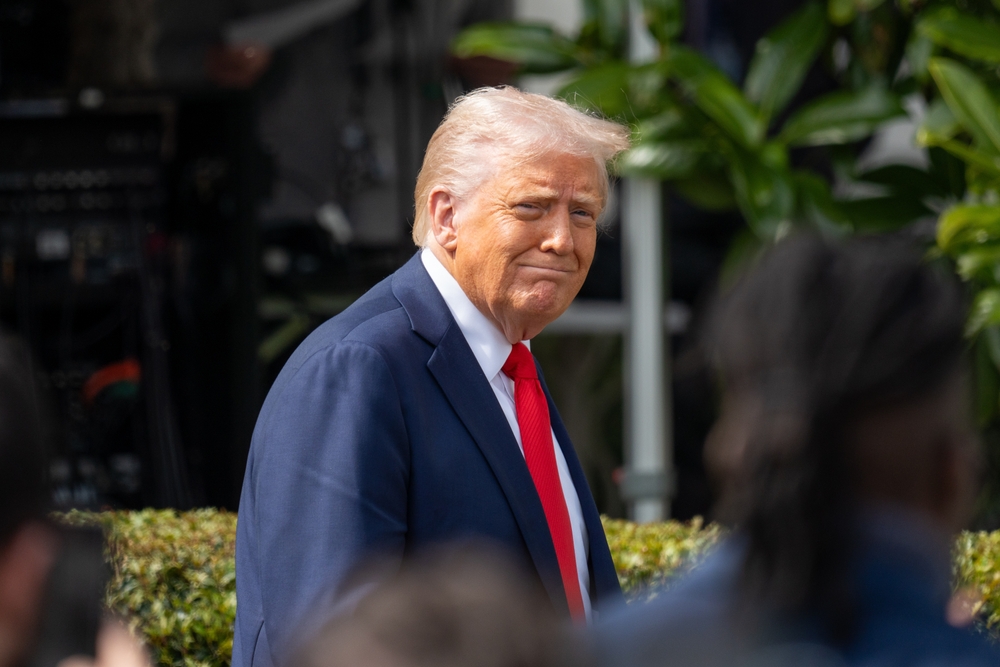
President Donald Trump says the United States will lower tariffs on Indian goods to 18%, down from 25%, after Indian Prime Minister Narendra Modi agreed to stop buying Russian oil. Trump also claimed India would slash import taxes on U.S. products to zero and commit to purchasing $500 billion worth of American goods.
The announcement follows months of pressure from Washington on New Delhi to curb its reliance on discounted Russian crude, which India has continued to buy since Russia’s 2022 invasion of Ukraine. Trump framed the move as a step toward ending the war, arguing that cutting Russia’s oil revenue would weaken Moscow’s ability to fight.
Modi welcomed the tariff reduction in a post on X, calling his phone conversation with Trump “wonderful” and praising the U.S. president’s leadership, though he did not directly mention Russian oil purchases.
Oil, Ukraine and a Stalled Peace Effort
India’s continued imports of Russian oil have been a sticking point for the Trump administration, which says the trade helps finance the war in Ukraine. Trump has repeatedly vowed to bring the conflict to an end but has struggled to deliver on that promise since returning to office.
His administration has leaned heavily on tariffs as a foreign policy tool, while avoiding direct pressure on Russian President Vladimir Putin. Trump has said targeting Russia’s energy income is the most effective way to force negotiations.
India became one of Russia’s biggest oil customers after European buyers pulled back. In 2024, Russia accounted for about 36% of India’s crude imports, roughly 1.8 million barrels per day. As recently as December, Putin said Russia was ready to keep fuel supplies flowing to India despite U.S. objections.
How Tariffs Became a Pressure Point
Trump initially announced a 25% tariff on Indian goods in June, citing a large trade surplus and limited access for U.S. products. In August, he added another 25% levy in response to India’s Russian oil purchases, pushing the total rate to 50%.
With India now pledging to halt those purchases, the combined tariff rate could drop to 18%, closer to levels applied to the European Union and Japan. A White House official confirmed that the extra 25% penalty tied to Russian oil would be scrapped.
While Russia has long been a key defense partner for India, energy ties deepened after the Ukraine war began, as New Delhi took advantage of cheaper oil and Moscow sought new buyers.
Trade Deals Reshape India’s Strategy
The tariff announcement comes just days after India and the European Union finalized a long-awaited free trade agreement covering nearly all goods, from textiles to pharmaceuticals. The deal, affecting markets with a combined population of around 2 billion, also lowers steep import taxes on European wine and cars.
The EU agreement reflects a broader push by India to diversify its trade ties amid disruptions caused by U.S. tariffs. In recent months, New Delhi has stepped up efforts to lock in new deals, signing an agreement with Oman in December and wrapping up talks with New Zealand.
For Trump, the India deal underscores his belief that tariffs can deliver both economic gains and geopolitical leverage. Whether it brings him closer to ending the war in Ukraine remains an open question.

