

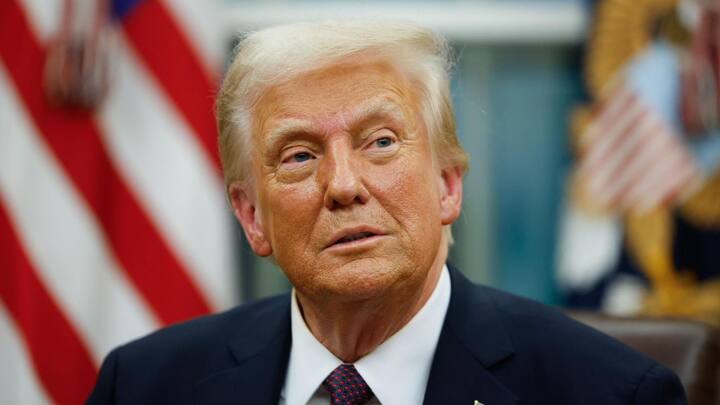
President Trump has turned to the Supreme Court to defend his power over trade tariffs. The president wants the court to confirm that he has the authority to impose tariffs on foreign goods. This move aims to strengthen U.S. economic interests and protect domestic industries.
Trump’s legal team argues that the president’s tariff powers are crucial for national economic security. They say that blocking his authority could harm U.S. businesses and workers. The case highlights the ongoing debate over how much control the executive branch should have over trade policies.
The Supreme Court will review arguments about the balance of power between Congress and the president. Trump’s administration claims that the president has broad authority under existing trade laws. These laws give the executive branch flexibility to respond to unfair trade practices quickly.
Experts say the case could set a major precedent for future trade policy. If the court sides with Trump, it could give future presidents wide latitude to use tariffs. On the other hand, a ruling against him could limit presidential power in international trade matters.
Trump has defended tariffs as a tool to protect American jobs and industries. He has targeted imports from countries he considers to have unfair trade practices. Supporters argue these tariffs help level the playing field for U.S. manufacturers. Critics say tariffs can increase costs for consumers and create trade tensions.
The legal challenge comes amid ongoing trade negotiations with major partners. Analysts note that the outcome could affect deals with countries like China, Mexico, and the European Union. Maintaining the ability to impose tariffs quickly is seen as a key bargaining chip in these talks.
Lawmakers from both parties are closely watching the case. Some members of Congress worry that unchecked presidential power could disrupt trade policy. Others support giving the president flexibility to protect the U.S. economy from unfair practices.
If the Supreme Court rules in Trump’s favor, it could reinforce the executive branch’s role in shaping trade policy. The decision may also influence how the U.S. approaches tariffs during future economic disputes. Conversely, limiting presidential authority could shift more control to Congress, creating new checks on trade decisions.
Trump’s move reflects a broader strategy to use legal and political tools to secure economic advantages for the United States. By seeking a clear ruling from the Supreme Court, he aims to remove uncertainty over his ability to act decisively on trade issues.
This case highlights the tension between executive action and legislative oversight. It also underscores the importance of tariffs in modern trade strategy. The Supreme Court’s decision could have lasting effects on how the U.S. manages its economic relationships globally.
Observers say the case could take months to resolve, with wide-reaching implications. Industries affected by tariffs, including steel, aluminum, and technology, are closely monitoring the outcome. The ruling may also influence how other countries approach trade negotiations with the United States.
The Supreme Court’s decision on Trump’s tariff authority will likely shape U.S. trade policy for years to come. Businesses, lawmakers, and international partners await the ruling, recognizing its potential impact on the American economy.

