

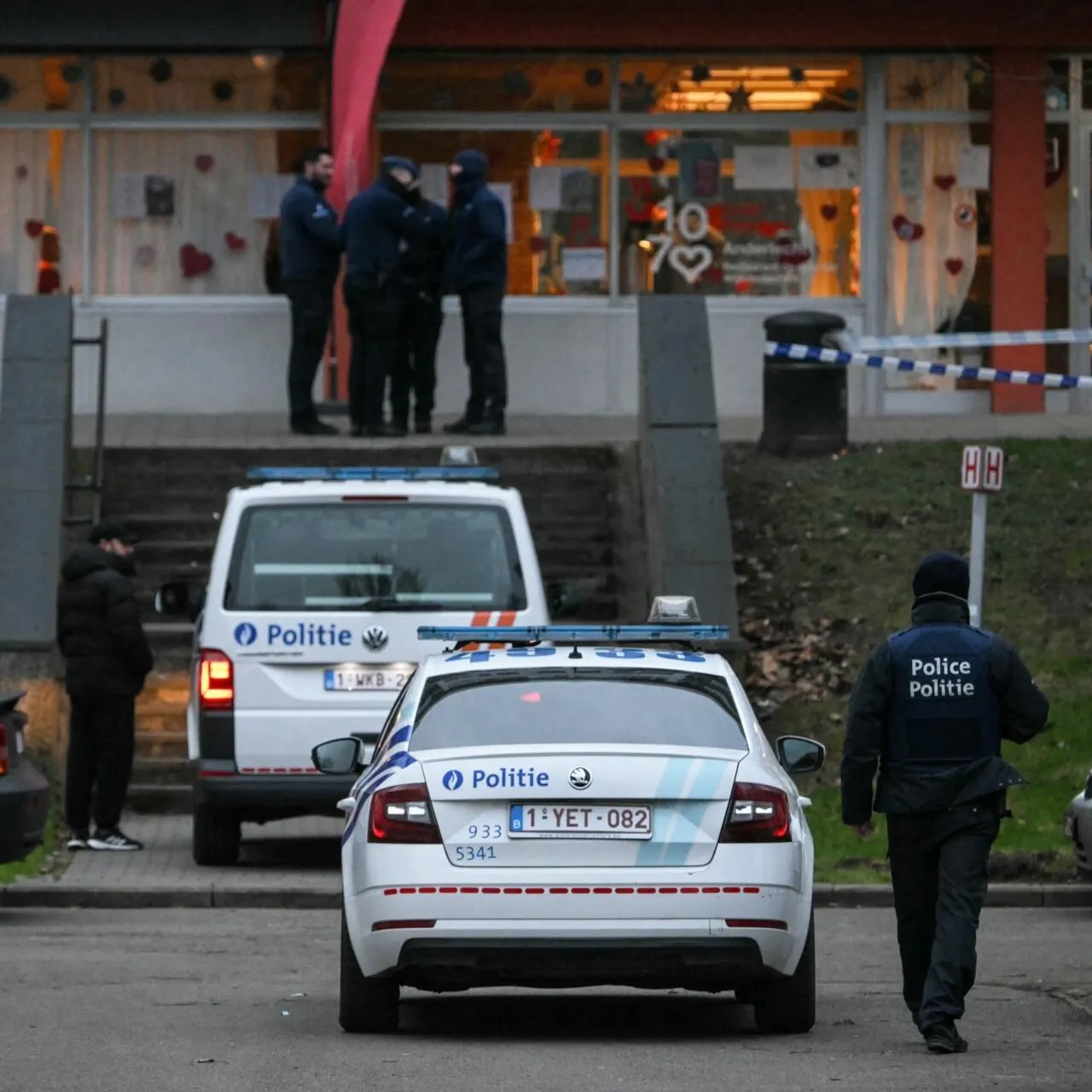
A major criminal trial has opened in Brussels involving 46 people accused of belonging to a drug trafficking network linked to the Peterbos neighbourhood in Anderlecht. The case centres on a 30-year-old man known publicly as Mara, who prosecutors believe continued directing criminal activities even while being held in prison.
The trial began on Monday, November 9, and is expected to continue for around a month. The defendants face a range of allegations involving drug trafficking, attempted murder, weapons possession, arson and money laundering. The case is considered significant because investigators believe the network played a major role in organised crime in Brussels.
According to reports cited by Belgian media, the alleged leader faces 26 charges. These include several attempted murder allegations connected to violent disputes between rival groups. Prosecutors are expected to present evidence about the organisation’s structure, its financial activities and the way it allegedly operated across different locations.
One of the central questions is how the accused man allegedly maintained control over the group while imprisoned in Ittre. Investigators believe he continued communicating with associates and directing operations from his cell. Police sources have also linked him to several attacks connected to a territorial conflict in Anderlecht.
The conflict became particularly violent during the second half of 2023. Rival groups competed for control of drug distribution areas, leading to shootings and vehicles being set on fire. One incident involved gunmen targeting a house in Anderlecht, while another shooting killed a driver who investigators believe was not the intended target.
The alleged network also had connections beyond Belgium. Reports indicate that the group maintained links with criminal networks in Marseille, France. Police sources have estimated that its cocaine trade generated more than €11 million over a two-year period.
The case follows an earlier trial in 2022, when the alleged leader received an eight-year prison sentence and several other members were convicted. Despite that case, investigators believe the organisation continued to expand.
The new trial is expected to provide a detailed picture of how the network operated and how criminal groups can maintain influence from inside prisons. It may also help authorities understand the links between local drug markets and wider European trafficking routes.
All defendants remain presumed innocent unless proven guilty in court. A final decision is not expected until the hearings have concluded, and the proceedings could take several weeks.

