

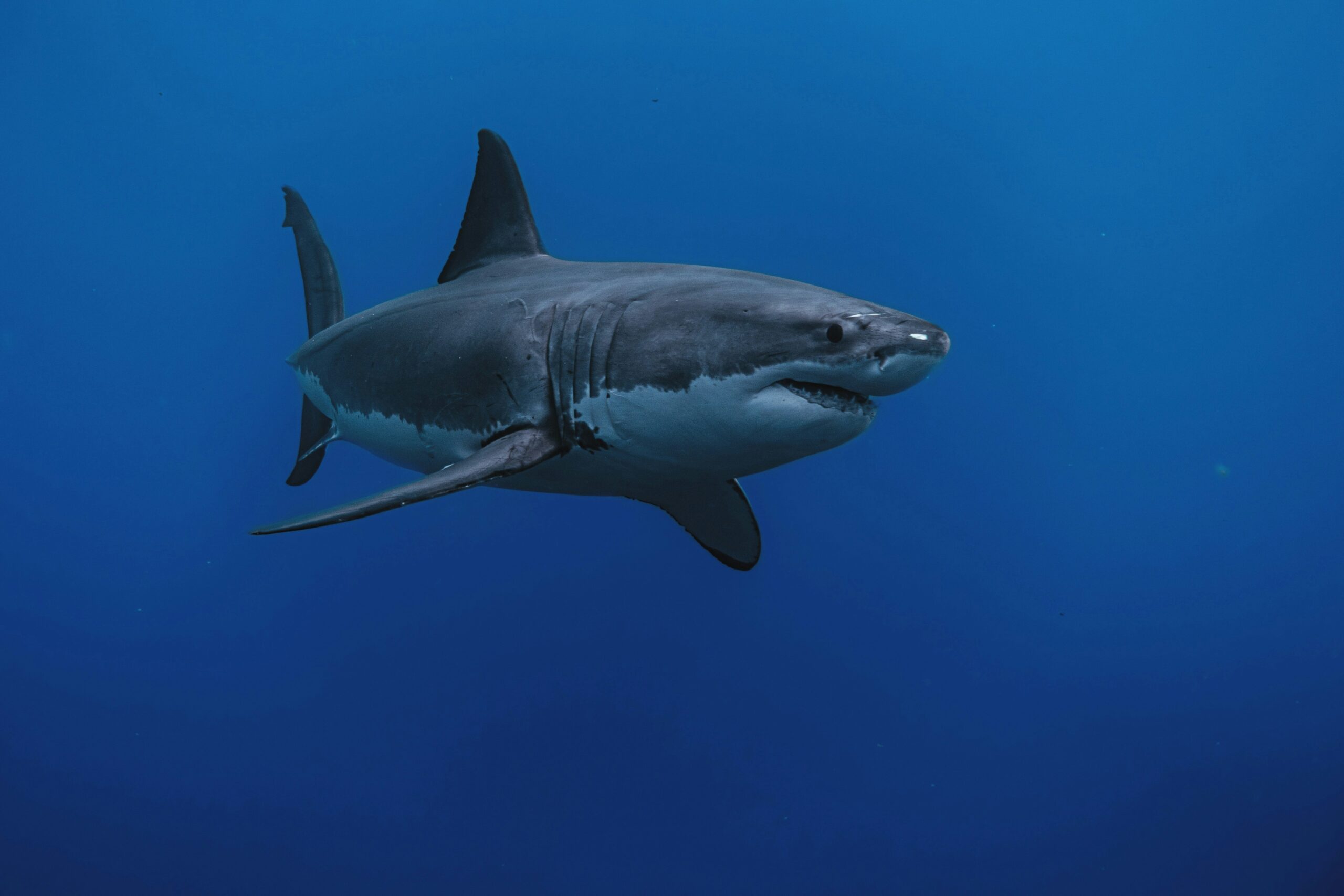
Sharks may face a future where their vital teeth are weakened, making it harder for them to feed efficiently and potentially destabilizing marine ecosystems. A new study found that ocean acidification, driven by increased CO₂ absorption, could damage shark teeth faster than they are replaced. Shark jaws carry multiple rows of teeth that are constantly replaced, but higher acidity could accelerate erosion, leaving sharks less able to hunt.
Researchers tested 60 naturally shed blacktip reef shark teeth in tanks simulating current ocean pH (8.1) and projected 2300 conditions (7.3). After eight weeks, teeth in the more acidic water suffered roughly twice as much damage, including root corrosion and altered serrations, according to lead author Maximilian Baum of Germany’s Heinrich Heine University. The study warns that dental stress could compound other threats, such as prey shortages caused by overfishing.
Even moderate acidification could disproportionately affect shark species with fewer rows of teeth or slower replacement rates. While some experts suggest sharks may adapt by increasing tooth replacement and strengthening, the long-term impacts on hunting ability remain uncertain. Previous research has shown that ocean acidification also harms shells, corals, mussels, and other marine organisms, and this study highlights that apex predators are not immune.
Lisa Whitenack, a shark tooth expert at Pennsylvania’s Allegheny College, noted that damaged teeth might still function, but future studies are needed to determine whether acidified teeth can effectively cut or puncture prey. The research underscores the importance of reducing CO₂ emissions to mitigate the effects of ocean acidification on marine ecosystems.

