

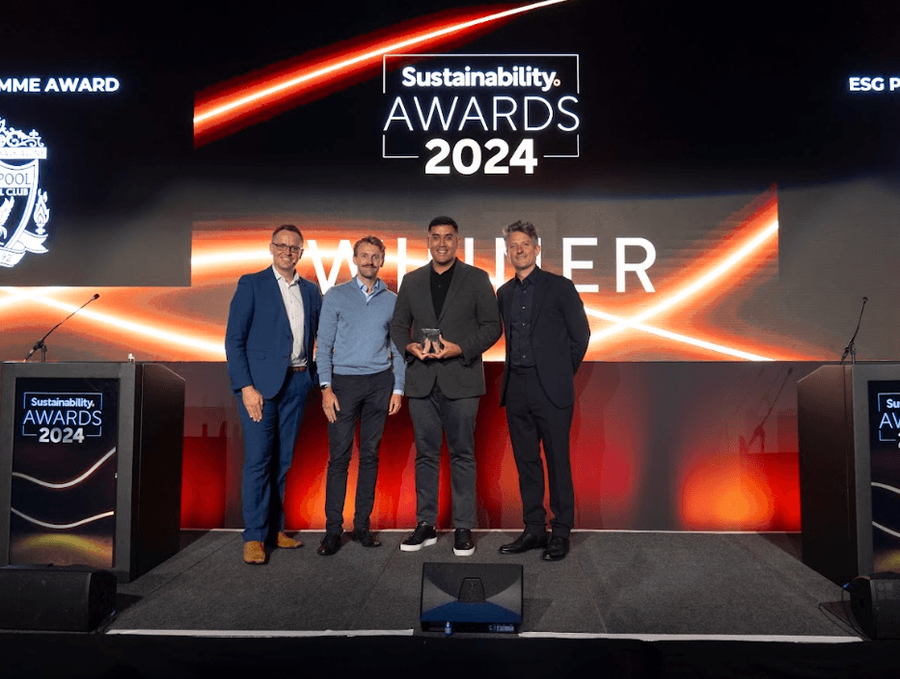
Liverpool FC has reached a major sustainability milestone with its “Red Way” initiative. The club increased match-day recycling from 20% to 90%, demonstrating its commitment to environmental responsibility.
Since 2021, Liverpool FC has also reduced its carbon emissions by 15%. These efforts reflect the club’s broader strategy to minimize its environmental impact and promote sustainable practices in sports.
The “Red Way” initiative focuses on engaging fans and staff in recycling and waste reduction. Clear signage, recycling stations, and staff guidance help ensure match-day waste is sorted effectively. The program has turned Anfield into a model for sustainable sports venues.
The club’s sustainability work was recognized at the Sport Positive Summit in London. Experts highlighted Liverpool FC as an example of how sports organizations can lead on environmental issues. The recognition underscores the growing role of professional sports in promoting green practices globally.
Liverpool FC’s leadership in sustainability goes beyond recycling. Energy-efficient lighting, water conservation measures, and eco-friendly transportation options have all contributed to reducing the club’s carbon footprint. These initiatives are part of a long-term strategy to achieve net-zero emissions.
Fans have played a key role in the success of the “Red Way” program. Supporters are encouraged to recycle, use public transport, and participate in eco-awareness campaigns. This engagement strengthens the connection between the club and its community while promoting sustainable habits.
Environmental organizations have praised Liverpool FC for its proactive approach. By integrating sustainability into match-day operations, the club shows how sports teams can influence behavior and encourage greener lifestyles.
The 90% recycling rate at Anfield sets a benchmark for other clubs and stadiums worldwide. Many sports organizations are now looking to Liverpool FC as a case study for successful environmental initiatives. The club’s efforts demonstrate that sustainability can be practical, measurable, and fan-focused.
Liverpool FC’s achievements reflect a broader trend in professional sports. Increasingly, clubs are addressing climate change, reducing waste, and promoting social responsibility. Initiatives like “Red Way” prove that sustainability can go hand in hand with sports entertainment.
The Sport Positive Summit highlighted several key takeaways from Liverpool FC’s work. Strategic planning, fan engagement, and measurable results are essential for creating successful sustainability programs. The club’s approach emphasizes that clear goals and consistent action lead to meaningful impact.
Liverpool FC plans to continue expanding its sustainability efforts. Future projects include further energy reductions, improved waste management, and partnerships with environmental organizations. The club aims to maintain its leadership role in sports sustainability.
The recognition at the Sport Positive Summit confirms that Liverpool FC’s environmental efforts are making a real difference. By boosting recycling rates, cutting emissions, and promoting fan participation, the club sets a strong example for others in the sports world.
Liverpool FC sustainability initiatives show that professional sports can lead on climate action. With clear strategies and active community involvement, clubs can achieve significant environmental milestones while inspiring fans to adopt greener habits.

