

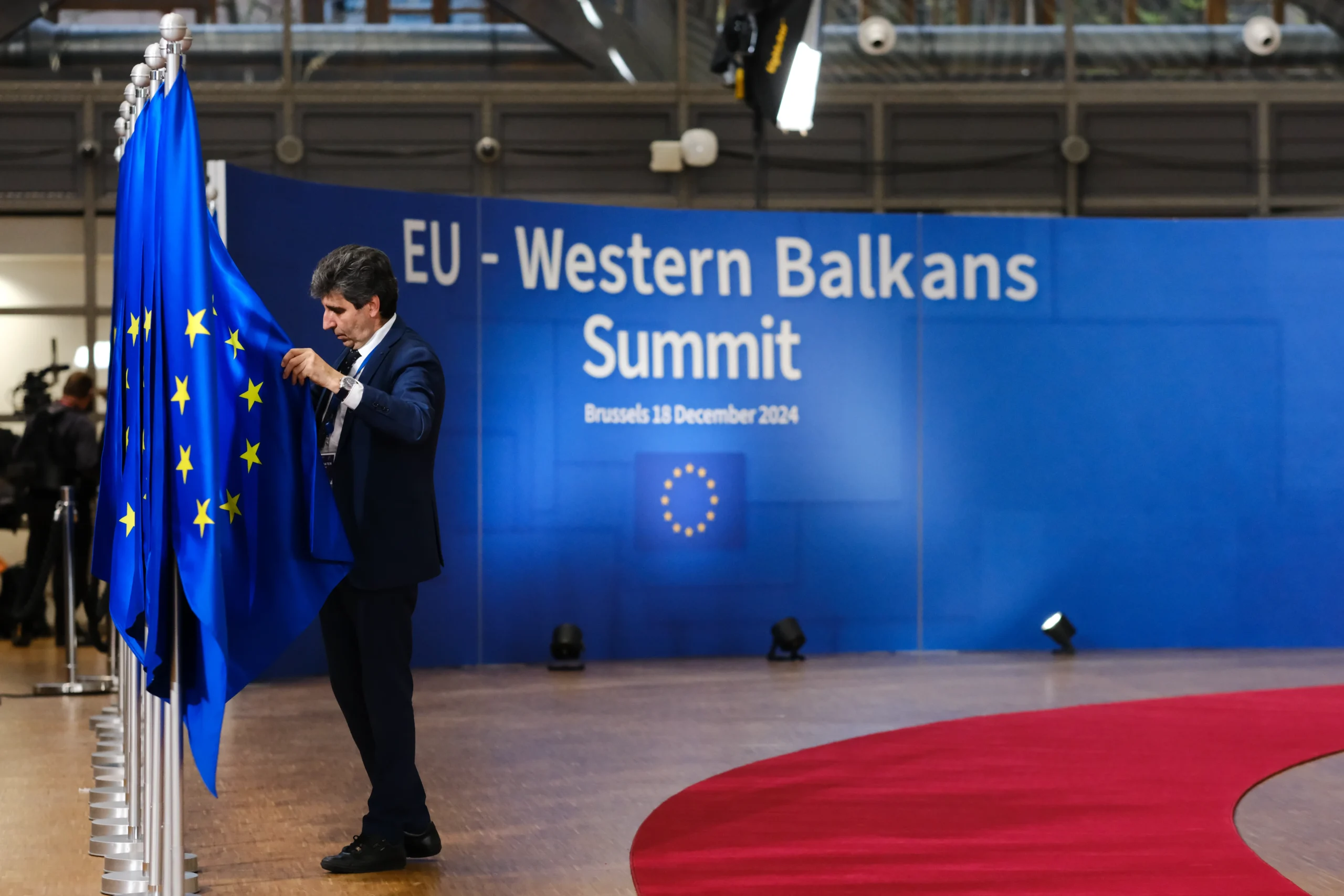
European Union leaders and representatives from the Western Balkans are meeting in Brussels on November 25 to discuss regional cooperation, security and the future of European integration. The summit brings together officials at a time when political uncertainty and international competition are creating new challenges across Europe. The discussions are expected to focus on strengthening relations between the EU and its neighbouring countries while supporting reforms that could bring them closer to membership.
European Council President António Costa and European Commission President Ursula von der Leyen are representing the EU at the meeting. The gathering provides an opportunity to review progress made by Western Balkan countries and discuss the steps still needed to advance their European ambitions. EU officials have repeatedly described the region’s future as strategically important for the wider continent. They believe stronger political and economic links can help improve stability and reduce the risk of renewed tensions.
One major issue is the progress of reforms required for closer integration with the European Union. These include improvements in democratic institutions, the rule of law, public administration and regional cooperation. EU leaders are expected to encourage Western Balkan governments to meet their commitments and strengthen relations with neighbouring countries. The discussions will also examine how the EU’s Growth Plan for the Western Balkans can support gradual integration before full membership becomes possible.
Security is another important part of the summit’s agenda. European leaders are expected to consider cooperation on defence, cyber threats and foreign information campaigns. The region faces challenges linked to geopolitical competition, political divisions and concerns about outside influence. The EU wants closer cooperation with Western Balkan partners to improve resilience and protect critical institutions from security threats.
The Brussels meeting is intended to reaffirm that the European Union remains committed to the region’s European future. However, progress will depend on both sides taking practical steps rather than relying only on political statements. Western Balkan governments will need to demonstrate that they can deliver reforms, while EU institutions must provide clear support and credible opportunities for integration. The summit could therefore help shape the next stage of relations between the bloc and its neighbours.

