

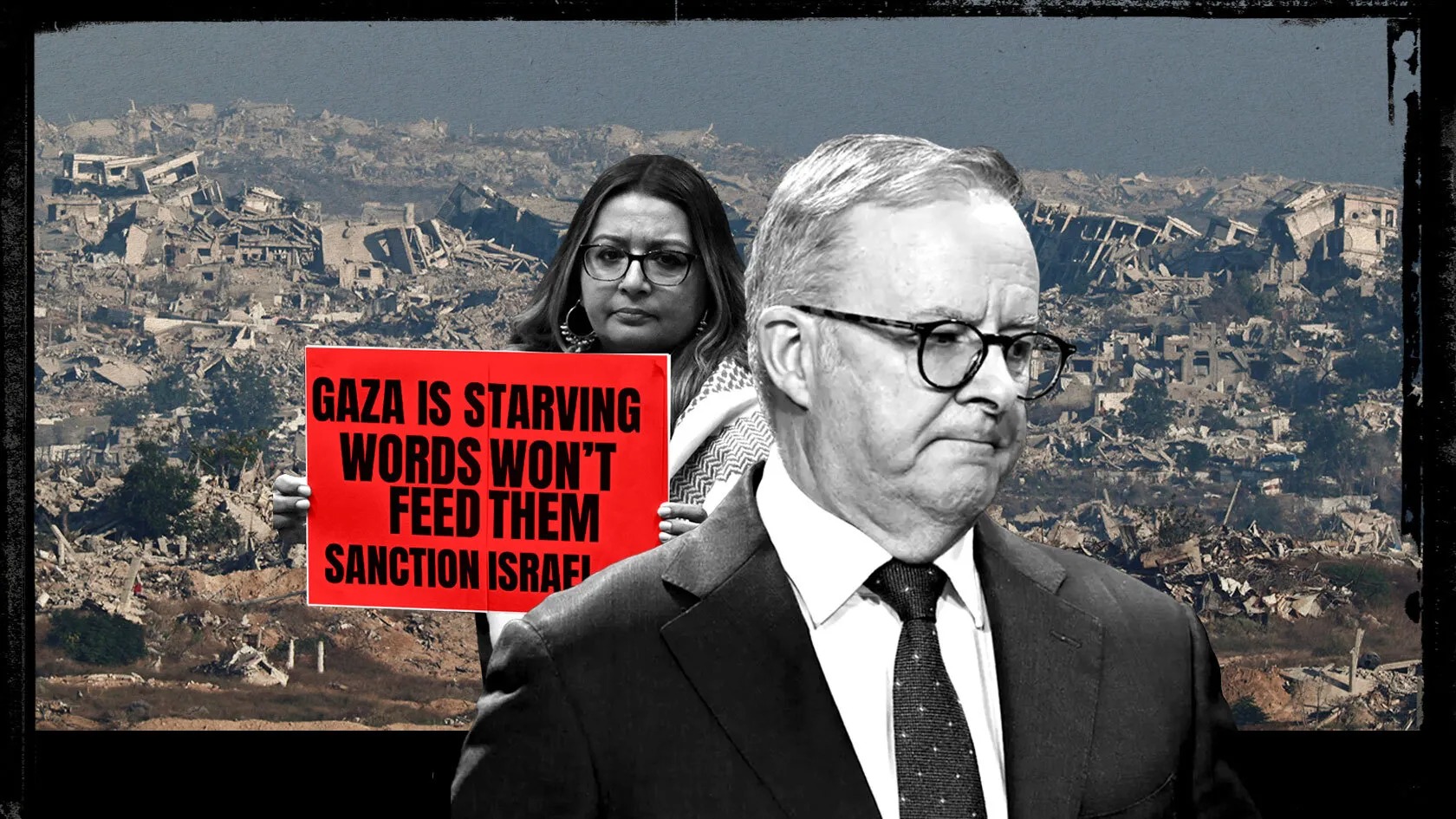
Belgian politician Bart De Wever has publicly responded to recent criticism accusing him of indifference toward the humanitarian crisis in Gaza. The comments come amid heightened tensions in the region and increased international attention on the conflict, prompting political figures across Europe to clarify their positions.
Speaking at a press conference, De Wever emphasized that his stance is rooted in concern for civilian welfare and a commitment to diplomatic solutions. He rejected claims that he is apathetic to the plight of Gazans, stressing the importance of balancing political perspectives with humanitarian responsibilities.
Addressing the Criticism
Critics had accused De Wever of failing to take a strong public stance on Gaza, arguing that his silence could be interpreted as indifference. In response, De Wever highlighted several initiatives and statements supporting humanitarian aid and conflict resolution efforts.
“We cannot ignore the suffering in Gaza, and it is our duty to support relief efforts while promoting dialogue,” De Wever stated. He underscored Belgium’s ongoing contributions to international humanitarian organizations providing medical care, food, and shelter to civilians affected by the conflict.
Emphasizing Humanitarian Action
De Wever’s Gaza response focused on practical measures rather than symbolic gestures. He pointed out that Belgium continues to fund NGOs and relief programs on the ground, ensuring that aid reaches the most vulnerable populations. According to De Wever, these actions demonstrate tangible commitment to alleviating suffering, even amid complex political dynamics.
Political analysts note that De Wever’s approach reflects a broader strategy of cautious diplomacy. While vocal criticism of conflict parties can generate headlines, effective humanitarian intervention often requires discreet coordination with international partners and non-governmental organizations.
Diplomatic Context
Belgium, like many European countries, faces the challenge of addressing the Gaza crisis while maintaining diplomatic relations in the region. De Wever emphasized that his position does not diminish the seriousness of the situation but reflects a pragmatic approach to influence outcomes positively.
“Dialogue and cooperation are essential,” De Wever said. “Condemnation alone cannot solve structural problems or provide relief to civilians. We must act strategically and responsibly.”
Political Reactions
De Wever’s defense has sparked debate among political parties and commentators. Supporters argue that his emphasis on actionable humanitarian aid shows a mature, responsible approach, while critics maintain that public statements carry symbolic importance in expressing solidarity.
Some observers also highlight the challenge of navigating public opinion. Politicians are often pressured to respond to crises quickly, yet the complexity of international conflicts requires careful consideration to avoid unintended consequences.
The Role of Belgium
De Wever reiterated that Belgium plays a crucial role in international humanitarian efforts, contributing to medical missions, food distribution, and shelter provision in Gaza. These efforts, he argued, are often more effective than political rhetoric, reaching those most in need without exacerbating tensions.
Belgian officials coordinate closely with the United Nations and other international bodies to ensure aid effectiveness. De Wever noted that supporting neutral and trusted organizations allows Belgium to maintain credibility while addressing urgent humanitarian needs.
Moving Forward
As criticism continues, De Wever has called for a balanced discussion focused on solutions rather than accusations. He urged political leaders, media, and the public to recognize the value of coordinated humanitarian action and the importance of diplomacy in conflict resolution.
“Our responsibility is to help those suffering, not to score political points,” De Wever said. “Belgium’s contributions demonstrate real commitment, even if it does not always make headlines.”
De Wever’s Gaza response aims to reassure constituents and international observers that Belgium remains engaged, committed, and concerned for civilian welfare, while navigating the complexities of regional politics and international diplomacy.

