

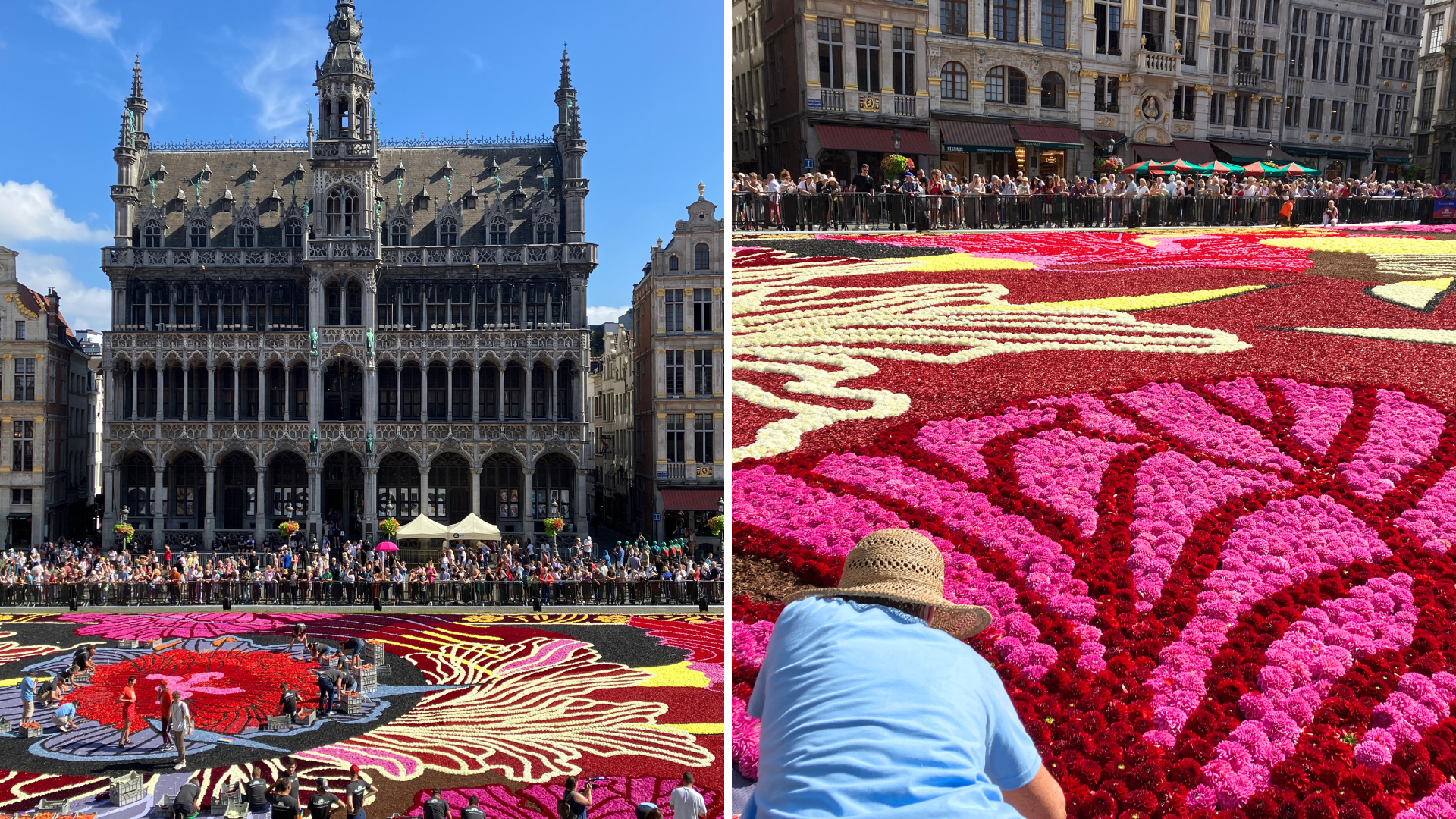
Brussels is aiming to secure UNESCO heritage status for two of its most iconic cultural traditions: puppetry and the Flower Carpet. The initiative highlights the city’s rich artistic legacy and emphasizes the importance of preserving these unique cultural expressions for future generations.
City officials and cultural representatives have submitted an application to UNESCO, underlining the historical significance of both traditions. Puppetry in Brussels has deep roots, dating back centuries, while the Flower Carpet, a biennial event, has become a global symbol of artistic creativity and communal participation.
Celebrating Brussels Puppetry
Puppetry has long been a cherished part of Brussels’ cultural identity. Local puppet theaters, such as Théâtre Royal de Toone, have preserved traditional storytelling methods and techniques, passing them down through generations. Performances often incorporate folklore, humor, and social commentary, making puppetry both entertaining and educational.
Officials argue that recognition by UNESCO would help safeguard these practices, ensuring that younger generations continue to engage with this vibrant art form. Puppetry is not only an artistic tradition but also a cultural bridge, connecting communities and preserving Brussels’ historical narratives.
The Flower Carpet: A Symbol of Community
The Flower Carpet is another cornerstone of Brussels’ cultural heritage. Every two years, the city’s Grand Place is transformed into a vast tapestry of colorful begonias, meticulously arranged to create intricate designs. The event draws thousands of visitors from around the world and celebrates craftsmanship, teamwork, and local artistry.
Organizers emphasize that the Flower Carpet is more than a visual spectacle; it represents a collective effort, with volunteers, horticulturists, and artists collaborating to bring the design to life. UNESCO recognition could help ensure that this tradition continues to flourish and gain international appreciation.
The Significance of UNESCO Recognition
Securing a UNESCO heritage mark would place Brussels’ puppetry and Flower Carpet on a global stage, highlighting their cultural, historical, and artistic importance. Such recognition often provides funding opportunities, international partnerships, and increased visibility, all of which help preserve intangible cultural heritage.
City officials hope that recognition will not only honor these traditions but also inspire further innovation and public engagement. By promoting local pride and global awareness, the UNESCO bid aims to strengthen Brussels’ identity as a city that values creativity, history, and community.
Cultural Tourism and Economic Impact
Brussels UNESCO heritage status could also boost cultural tourism. Both puppetry performances and the Flower Carpet attract international visitors, supporting local businesses, hotels, and restaurants. The bid highlights the role of cultural heritage in economic development, positioning Brussels as a vibrant destination for tourists seeking unique artistic experiences.
Local artisans, performers, and volunteers play a crucial role in maintaining these traditions. UNESCO recognition would validate their contributions and encourage continued participation, ensuring that the cultural ecosystem remains sustainable.
Next Steps for the Application
The application process involves detailed documentation of the traditions’ history, techniques, and social impact. Brussels’ cultural authorities are collaborating with heritage experts, historians, and local communities to prepare a strong case for recognition.
If successful, Brussels will join a list of cities and regions worldwide recognized for safeguarding intangible cultural heritage. The city will then commit to ongoing preservation, promotion, and education initiatives related to puppetry and the Flower Carpet.
Preserving Brussels’ Cultural Legacy
Brussels’ bid underscores the city’s commitment to cultural preservation and creative expression. Both puppetry and the Flower Carpet reflect centuries of artistic tradition, community involvement, and innovation. By seeking UNESCO heritage status, Brussels aims to ensure that these traditions remain vibrant and accessible for generations to come.
The recognition would celebrate Brussels as a city where history, art, and community intersect, strengthening its global cultural presence and inspiring pride among residents and visitors alike.

