

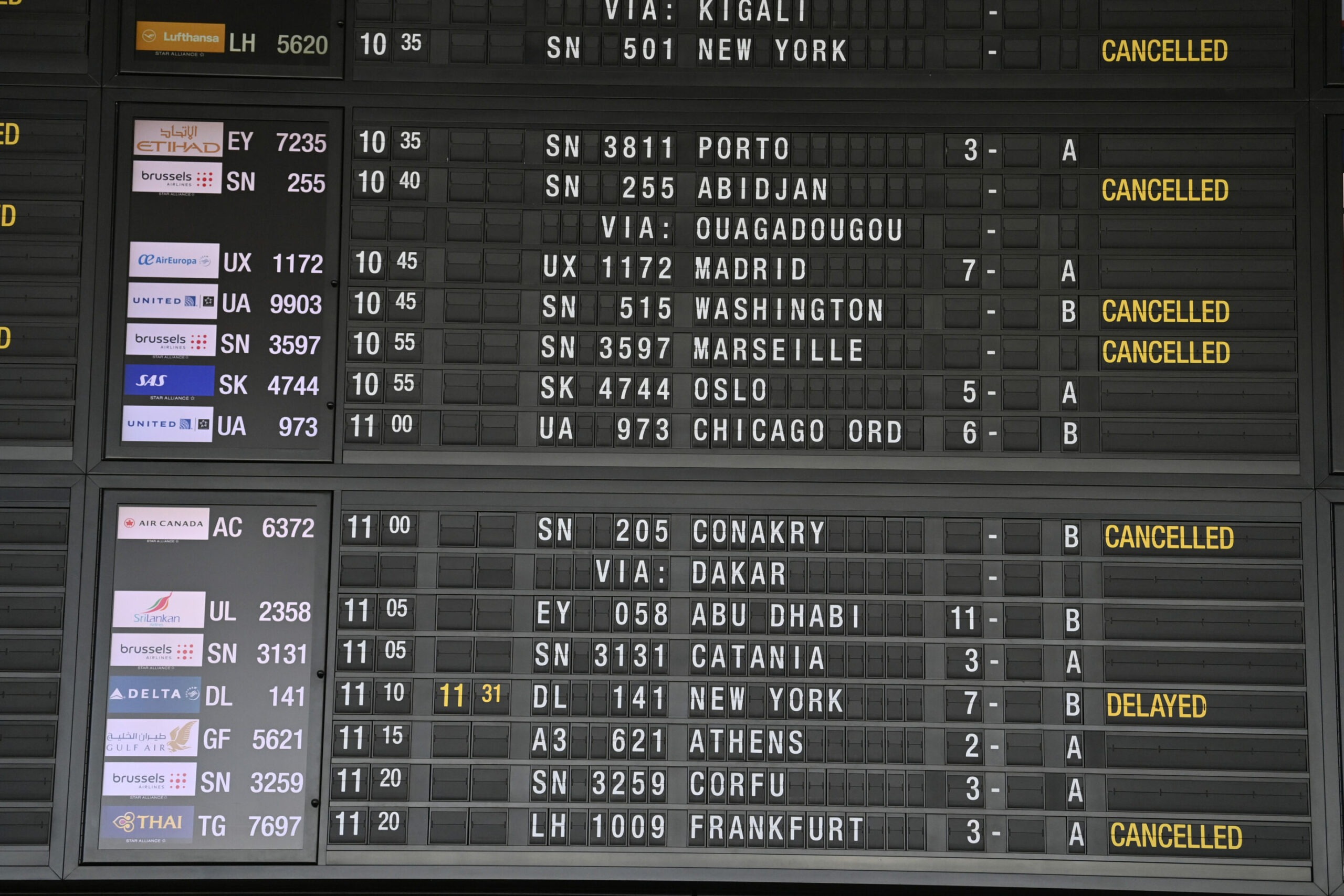
Public transport services across Belgium are expected to face disruption on Friday, October 9, as trade unions organise action against the federal government’s expected budget cuts. A further day of action is planned for Monday, October 12. The measures may affect commuters, students, workers and other passengers who rely on trains, buses, trams and metro services to reach their destinations.
The protests are linked to concern that planned savings could place too much pressure on ordinary people and public services. Unions argue that workers and households should not carry an unfair share of the cost of balancing the national budget. The dispute reflects a wider disagreement about how the government should manage public spending while meeting its financial targets.
In Brussels, the STIB-MIVB public transport operator has warned that its metro, tram and bus network will be disrupted. The final picture of which services will operate may change, so passengers have been advised to check official travel information before leaving home. Some routes may run at reduced frequency, while others could face greater disruption depending on staffing and operational conditions.
Transport problems can have an immediate effect on everyday life. People may need to leave home earlier, find alternative routes or arrange different ways to reach work and school. Those who depend on public transport because they do not own a car can face particular difficulties. Businesses may also experience delays if staff cannot reach their workplaces at the usual time.
The action is part of a wider series of union protests against the government’s policies. Unions have raised concerns about the impact of budget decisions on workers and public services. The planned Monday action is expected to affect more than transport, with disruption possible in other public services as well.
Passengers should rely on official updates rather than assume that every route will stop. Transport operators can provide information about lines expected to run, delays and alternatives. Checking updates before travel may help people avoid long waits or being stranded at stations. Employers and schools may also need to consider that some people will have difficulty arriving on time.
The strike creates a practical challenge for the authorities, transport operators and passengers. Unions want their concerns about public spending to be heard, while commuters need clear information to plan their journeys. The disruption may also influence public debate about the relationship between government savings and the quality of services people use every day.
The outcome of the action will depend on how widely services are affected and whether the dispute leads to further negotiations. The planned protests show that the budget debate has moved beyond political discussion and into daily routines. For passengers, the immediate priority is to confirm available services and allow extra time for travel on October 9.

