

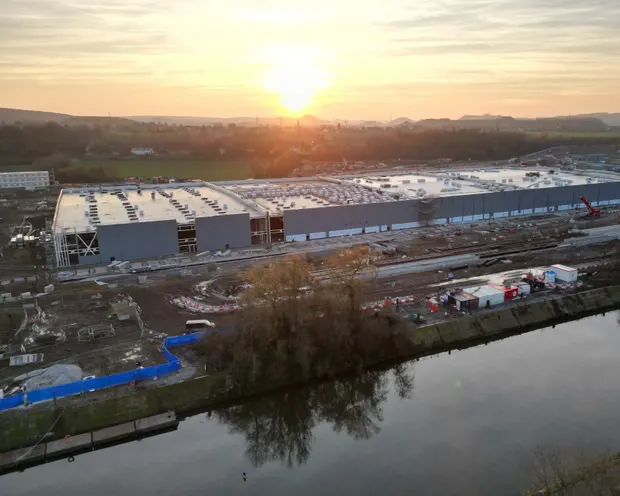
Belgian authorities have ordered Google to stop construction work at a major data centre in the country’s southern Wallonia region after inspectors found that the company was continuing to build without the required planning approval. The facility is part of a large development planned at a former mining site near Aiseau-Presles, around 15 kilometres west of Charleroi. The order has created a new legal challenge for Google as technology companies race to expand their data centre capacity to support artificial intelligence and other digital services.
The dispute centres on changes Google wanted to make to the original construction plans. The company’s 2024 permission covered three smaller facilities using air-based cooling systems. In 2025, Google applied to combine two of those buildings into a larger facility and replace the planned cooling method with a system using water from the nearby Sambre River. The revised design was intended to support the operation of the large computing facility, but it raised concerns among residents and environmental organisations about the amount of water that would be required.
Regional authorities initially approved the changes before the decision was later withdrawn following objections. Wallonia officials said the revised project raised concerns because the region had experienced severe drought conditions. Environmental campaigners also argued that the data centre could place additional pressure on local water resources at a time when climate change is increasing the risk of water shortages. Google challenged the decision in court, with a hearing expected in January, but the construction work continued while the legal dispute remained unresolved.
The issue escalated after Greenpeace Belgium published a report containing drone footage that appeared to show construction progressing despite the absence of the required approval. Regional inspectors visited the site and found that the main structural work on a building covering around three hectares was almost complete. Officials said approximately 300 workers had been present and that the company was given an order to stop work, which was later confirmed in writing. Authorities also indicated that a report concerning the suspected illegal construction would be submitted to prosecutors.
Google said it was committed to following local laws and maintaining an open dialogue with regional officials. The company also said it had halted work in line with the authorities’ instructions while awaiting further guidance. The dispute reflects a growing challenge across Europe, where governments want investment in artificial intelligence infrastructure but must also consider energy use, water consumption and environmental protection. Data centres are essential for cloud computing and advanced digital services, yet their growing size can create significant demands on local resources. The Belgian case could therefore influence how similar projects are assessed and approved in the future.

