

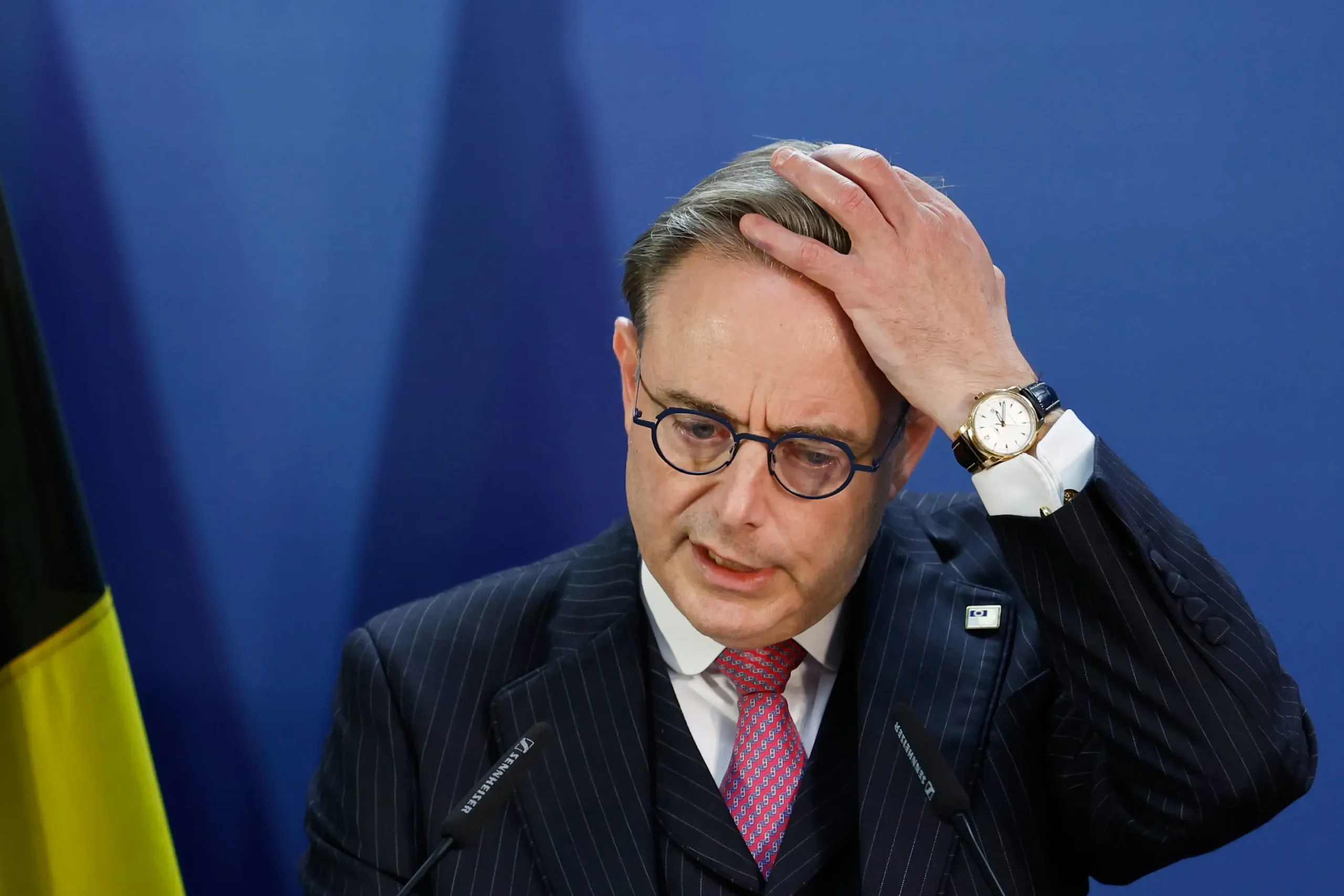
Belgium is expected to begin 2027 without an approved federal budget after Prime Minister Bart De Wever confirmed that political parties have failed to reach an agreement. The country will once again rely on a temporary spending system known as provisional twelfths during at least the first months of the year.
The prime minister confirmed the situation in the Chamber of Representatives on November 5. Under the system, the government uses the previous approved budget as a guide and divides its spending into monthly amounts. This allows essential public services to continue while political leaders work towards a full agreement.
The temporary system protects several important areas of public spending. Civil servants can continue receiving salaries, while pensions and healthcare payments remain in place. However, the government cannot introduce major new spending plans or additional revenue measures during the period.
Belgium used the same system at the beginning of 2026. The arrangement lasted from January to March before the government moved forward with its financial plans. The latest delay means the country could face another period of limited budget flexibility.
The dispute comes after months of disagreement among coalition partners over how to manage public finances. The government has been trying to identify around €10 billion in savings and additional revenue. Political parties have struggled to agree on the balance between spending cuts and tax changes.
Belgium’s financial position has added pressure to the negotiations. Its public deficit reached 5.2 percent of gross domestic product in 2025, while public debt stood at 108.1 percent of GDP. The figures are above the levels set by European fiscal rules.
A temporary budget can keep basic government operations running, but it cannot replace a long-term financial plan. Without an agreement, Belgium may face further pressure as public debt and borrowing costs remain concerns.
The government will need to continue negotiations if it wants to end the temporary arrangement. A full budget deal will be important for public investment, financial stability and the country’s economic plans for 2027.

