

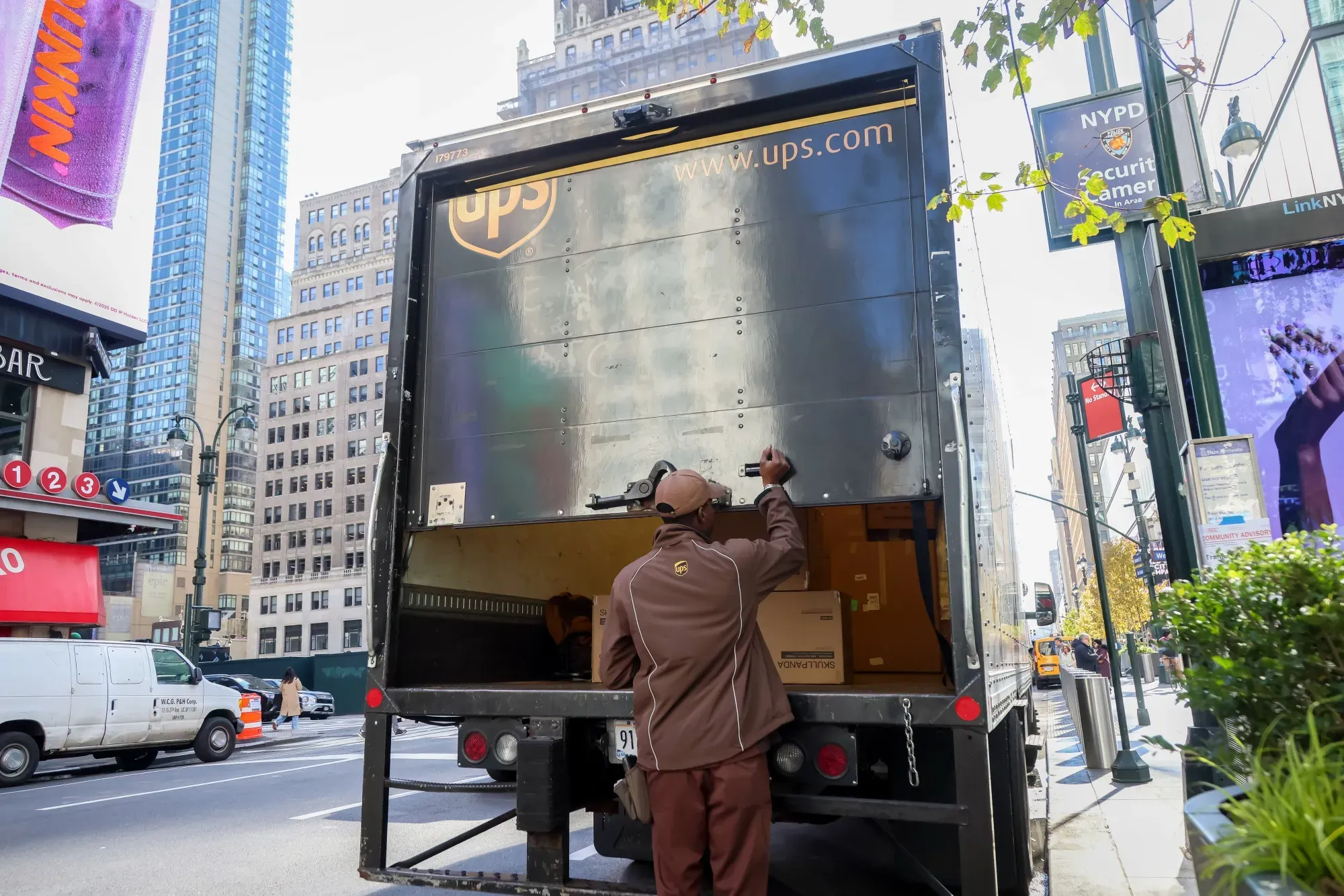
Several hundred UPS workers have blockaded the Skechers European logistics centre in Herstal, near Liège, as part of a protest against planned job cuts. The workers are seeking intervention from the American footwear company, arguing that it should take responsibility for the consequences of restructuring at the logistics operation. Unions say the dispute involves approximately 525 jobs and warn that the conflict could disrupt deliveries during the important Black Friday shopping period.
The blockade is intended to put pressure on Skechers because the company is a major client of the logistics centre. Workers and union representatives want the retailer to use its commercial influence to help protect employment and prevent the planned reductions. The action has brought attention to the relationship between large international brands and the companies that manage their distribution networks. Employees argue that decisions made by major clients can have a direct effect on the livelihoods of workers employed by logistics contractors.
The timing of the protest is particularly significant because retailers and delivery companies are preparing for the busy end-of-year shopping season. Black Friday and the Christmas period usually bring a sharp increase in orders, warehouse activity and transport demand. Unions have warned that continued disruption could affect the movement of products across the logistics network. The blockade therefore creates pressure not only for the workers’ employer but also for the businesses that depend on the centre.
The dispute also reflects wider concerns about employment security in Belgium’s logistics sector. Warehousing and distribution companies face pressure to control costs while meeting the demands of large international retailers. Workers, however, say they should not be expected to carry the full burden of restructuring, especially when major commercial clients continue to depend on the same facilities and services. Union representatives are calling for negotiations that include the companies benefiting from the logistics operation.
The protest could become a major test of how the parties handle the planned job reductions. If no agreement is reached, further industrial action may affect deliveries and increase pressure on the businesses involved. Workers are seeking guarantees about employment and a meaningful response from Skechers. The situation highlights the importance of logistics workers to international retail operations and the potential consequences when large-scale restructuring threatens hundreds of jobs.

