

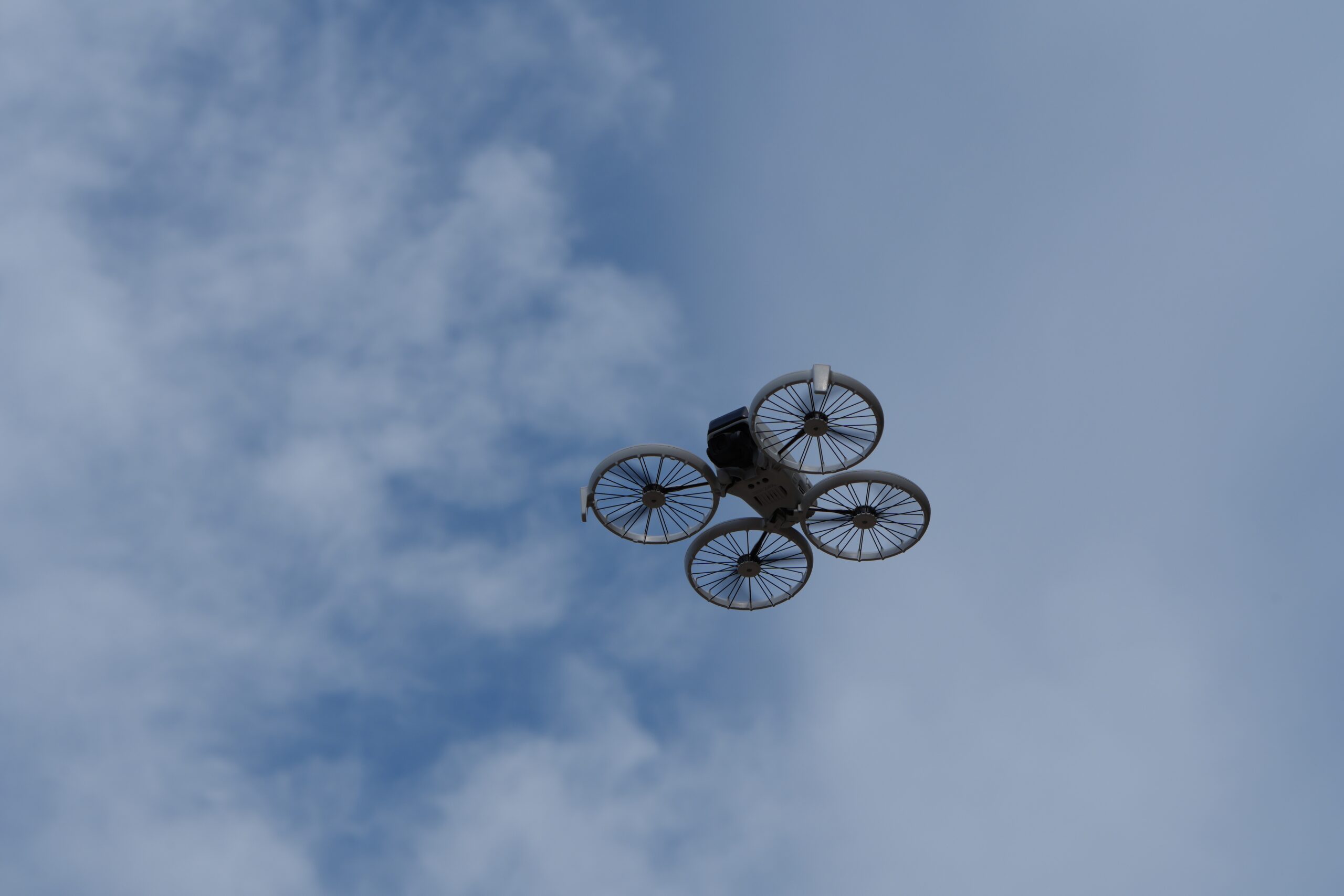
The European Union is exploring the creation of a “drone wall” along its eastern flank to counter potential threats from Russia, following calls from the Baltic states and recent Russian drone incursions over Poland. EU leaders, including Commission President Ursula von der Leyen and Defence Commissioner Andrius Kubilius, have emphasized the project as critical for regional security, with discussions planned among EU defence ministers.
At the core of the initiative is Eirshield, a multilayered anti-drone system developed by Estonian company DefSecIntel and Latvia’s Origin Robotics. The platform integrates radars, cameras, radio-frequency detectors, and AI to detect, track, and neutralize hostile drones automatically. Interception methods include jamming signals, deploying counter-drones, or, in some deployments, using gun systems, as demonstrated in Ukraine. The system is designed for fast drones carrying warheads, capable of speeds over 200 km/h, and offers a lower cost-per-interception compared with traditional air defences.
Adapting the system for NATO standards and peacetime operations will require modifications, such as non-lethal neutralization using nets or small intercepting drones, to avoid targeting civilian or benign drones. Each EU member state can determine the precise tactics and mix of detection and countermeasures. The drone wall is intended to complement, not replace, existing air defence systems.
Funding remains a key challenge. The EU Commission recently rejected a €12 million funding proposal from Estonia and Lithuania, though all three Baltic states have committed national budgets to the project: Estonia allocated €12 million over three years, Latvia awarded €10 million in research contracts, and Lithuania dedicated €3 million from prior EU drone funding. While parts of the system are already deployed, the full integration of the drone wall across EU member states depends on wider political support and coordination with NATO.

