

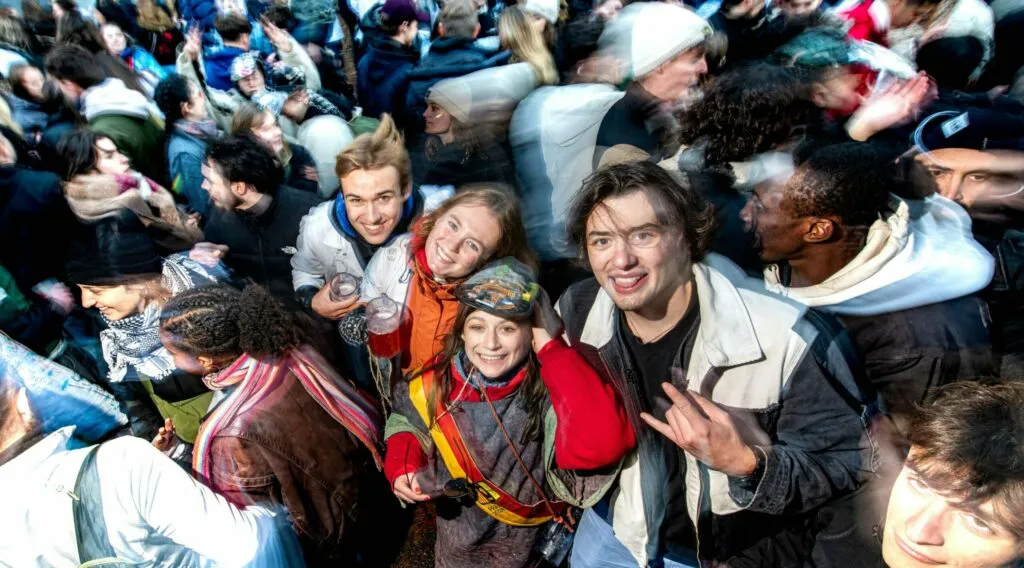
Brussels is preparing for one of its best-known student traditions as thousands of university students gather for the annual Saint-Verhaegen celebrations on November 20. Students from the Université Libre de Bruxelles and the Vrije Universiteit Brussel are expected to take part in festivities and a traditional procession through the Belgian capital. The event brings together students from both institutions and remains an important date in the city’s university calendar.
The celebration honours Pierre-Théodore Verhaegen, who founded the Université Libre de Bruxelles in 1834. His work helped establish an institution built around academic freedom, independent thought and secular education. More than a century later, the annual gathering has become a way for students and former students to recognise the university’s history while celebrating their shared academic identity.
The tradition began in 1888, when students organised events to honour the university’s founder. Over time, the occasion developed from formal commemorations into a larger student gathering. It now combines university folklore, public celebrations and expressions of student activism. The event has become a recognisable part of Brussels’ cultural life and attracts participants from different generations.
The celebrations are expected to affect traffic and public transport in parts of the city. Large groups of students moving through central areas can create temporary road closures and delays for buses, trams and other services. Residents and visitors have been advised to consider the procession when planning journeys. The scale of the gathering means that transport arrangements may change as the event progresses.
Saint-Verhaegen is more than a student party because it also reflects the history and values associated with higher education in Brussels. The event provides an opportunity for students to express their connection to their universities and take part in a long-standing tradition. Its continued popularity shows how academic history can remain part of a city’s public culture, bringing together students, alumni and local residents.

