

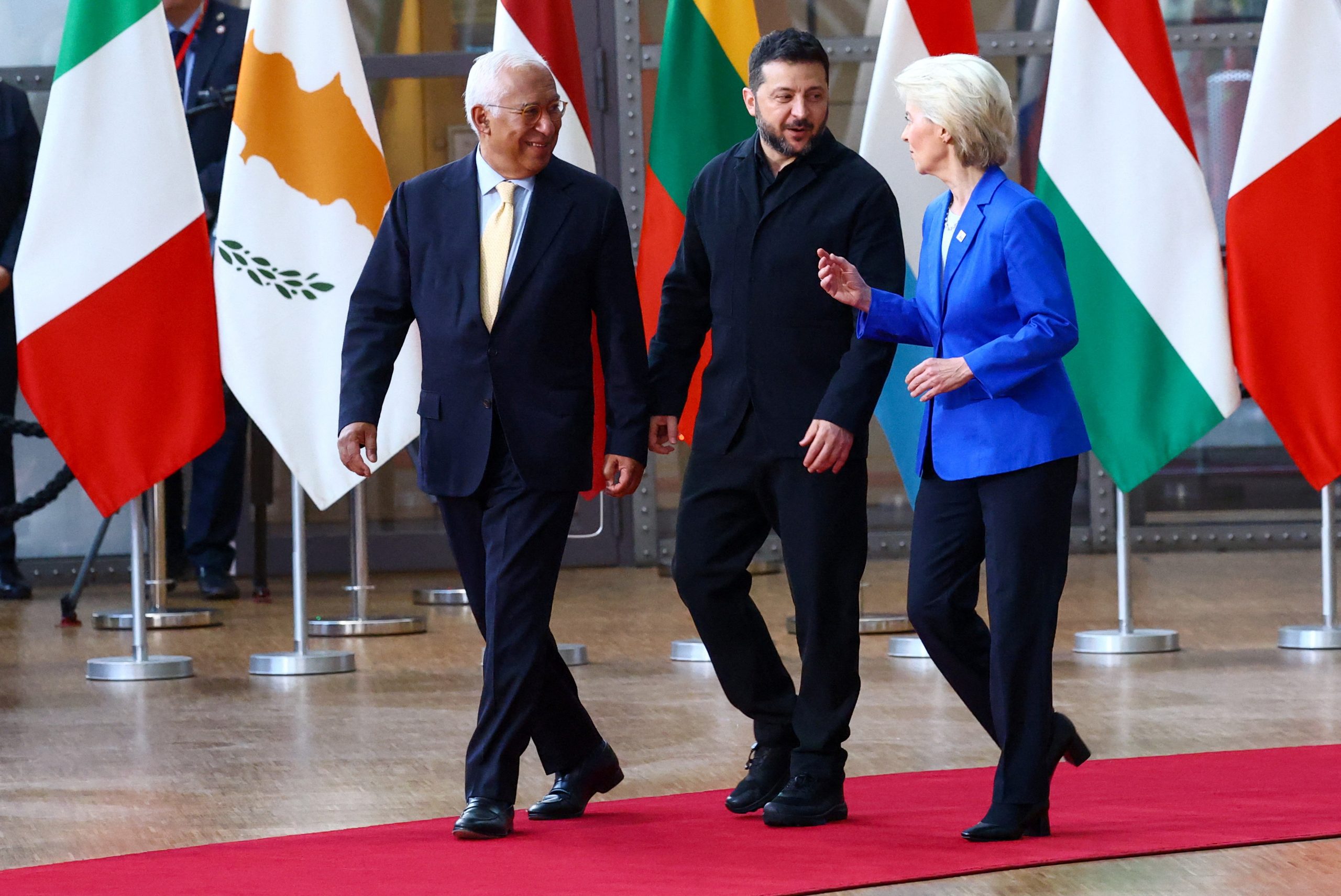
European Union leaders gathered in Brussels on October 16 and reaffirmed their support for Ukraine as the country prepared for another difficult winter of war. Ukrainian President Volodymyr Zelenskiy met European leaders at a time when Russian attacks continued and questions remained about the future level of support from the United States.
Zelenskiy said Ukraine needed more than energy assistance. The country also required air defence systems, funding and other support to protect its people and maintain essential services. Recent Russian missile and drone attacks have damaged infrastructure and left communities facing power cuts. Ukrainian officials fear that winter conditions could make these problems even more serious.
European leaders discussed ways to help Ukraine meet its financial needs. The country faces a large budget gap for next year, alongside the cost of military equipment and ongoing defence operations. Some European officials support providing new loans, while others have called for a clearer explanation of the figures and a careful review of long-term commitments.
The summit also exposed tension between European governments and Washington. US President Donald Trump criticised Ukraine’s attacks on Russian oil facilities, arguing that they could push energy prices higher. European leaders have also expressed concern about a US-Russia diesel arrangement and the possible effect on efforts to limit Russia’s war income.
Another concern is Ukraine’s reliance on satellite communications for military operations. European officials acknowledged that they do not have a ready-made alternative capable of replacing the system used by Ukraine. The issue has added urgency to discussions about Europe’s ability to support Kyiv if American assistance becomes less reliable.
The Brussels meeting did not remove the major disagreements over funding, energy policy or the future of the war. It did, however, give European leaders an opportunity to show public support for Ukraine and discuss practical steps ahead of winter. The challenge will be turning political statements into reliable financial and military assistance.

