

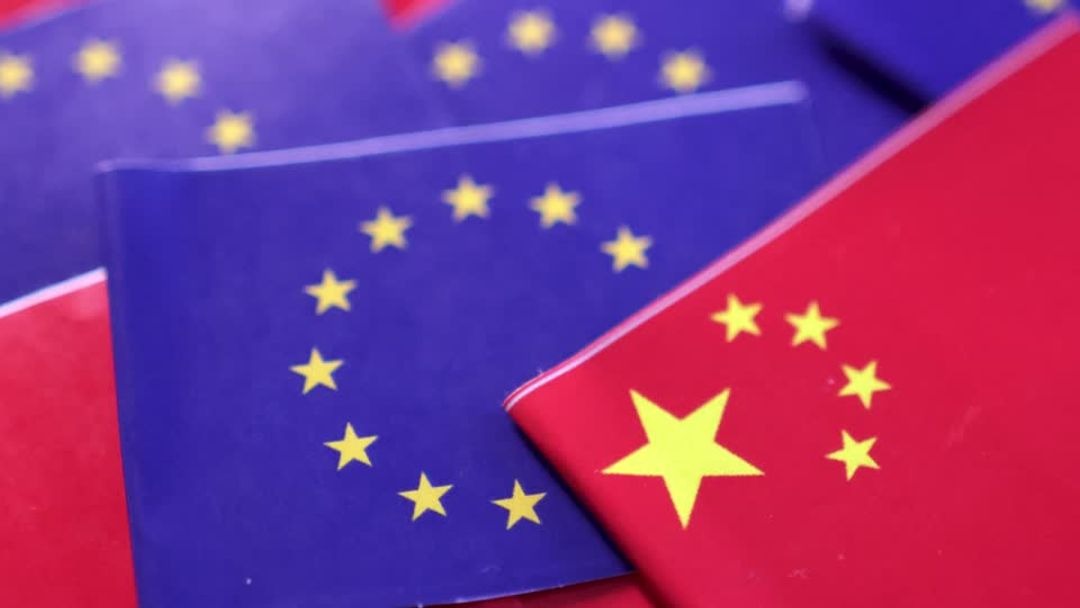
European Union leaders gathered in Brussels on Thursday, October 15, for a summit dominated by high energy prices, trade tensions with China and disagreements over the bloc’s future budget. Reuters reported that the meeting brought together leaders from the EU’s 27 member states at a time of economic anxiety, with governments facing pressure from households, businesses and international security developments.
Energy costs have risen sharply amid conflict in the Middle East, placing additional pressure on families and companies. Higher fuel and electricity prices can increase the cost of transport, manufacturing and heating. Governments are under pressure to provide relief, but they disagree on how much support should be offered and how it should be funded. Some countries want more flexibility to subsidise energy, while others warn that broad assistance could strain public finances.
Trade with China is another major issue. European leaders are concerned about rising imports and the effect of competition on local manufacturers. The EU has a large trade deficit with China, and officials argue that some industries face difficult conditions when competing with Chinese products. Beijing, however, has criticised what it sees as protectionist pressure and says trade disputes should not be used to restrict its companies unfairly.
The summit followed an agreement aimed at limiting imports of Chinese hybrid vehicles, which EU officials view as one step toward addressing trade imbalances. Leaders are considering whether existing trade-defence tools are sufficient or whether new measures are needed. Any decision will have consequences for manufacturers, consumers and companies that rely on international supply chains.
The EU’s long-term budget is also under discussion. Member states disagree over how much each should contribute and how funds should be distributed. Countries that pay more into the budget often press for restraint, while others argue that investment is needed to support development, infrastructure and common priorities. The challenge is to find an arrangement that reflects the bloc’s economic pressures while maintaining funding for important programmes.
Support for Ukraine remains a major concern. Leaders are discussing future assistance as Russia’s war continues and uncertainty grows around relations with the United States. European governments have said they want to maintain support for Ukraine’s defence and stability, but funding decisions must compete with domestic spending needs and other priorities.
The summit also exposed disagreements over the EU’s emissions trading system. Some leaders argue that climate policies contribute to high energy costs and should be adjusted, while others say the system remains essential for reducing fossil-fuel use. The debate reflects the difficulty of combining immediate economic relief with long-term environmental goals.
For businesses and households, the decisions made in Brussels could affect energy bills, trade rules, public investment and economic confidence. The summit does not guarantee quick solutions, because many issues require negotiations among governments with different priorities. Still, the discussions show how closely energy, trade, budgets and security are linked.
The main challenge for EU leaders is to reach practical compromises without weakening the bloc’s long-term competitiveness or its ability to respond to international crises. Their decisions will help shape Europe’s economic direction in the months ahead.

