

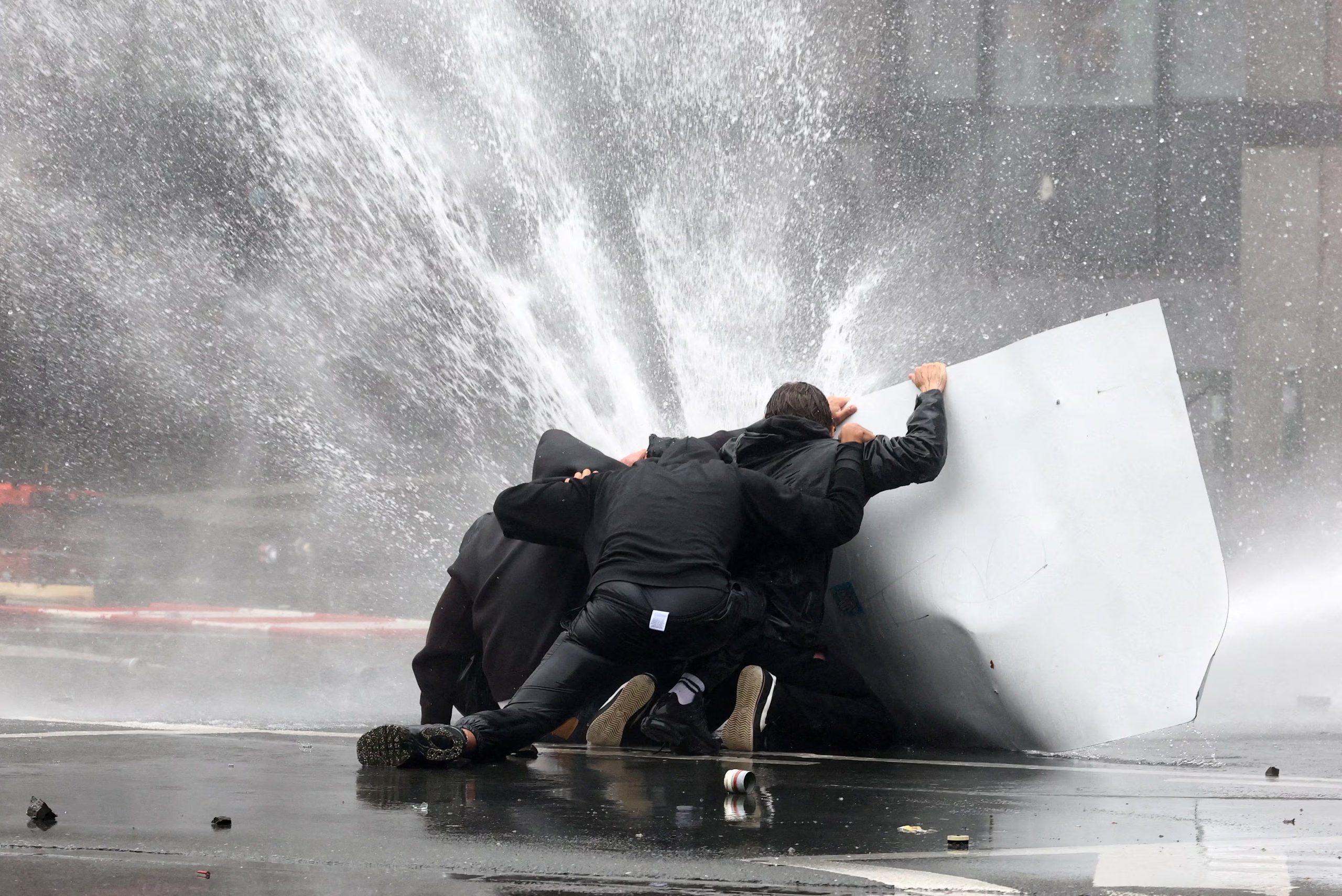
Belgium’s public sector faced disruption as unions continued opposing planned government budget cuts, putting additional pressure on Prime Minister Bart De Wever and his administration. A Reuters report published on October 12, 2026, described a second day of nationwide strike action as negotiations over a budget agreement remained stalled. The dispute has become an important political test for the government as it tries to balance public spending with demands for financial stability.
Unions have argued that the proposed savings could place an unfair burden on workers and people who depend on public services. Their opposition reflects broader concerns about the cost of living and the future of services such as education and transport. When public-sector employees take industrial action, the effects can reach beyond government offices, disrupting daily routines for residents, businesses and commuters.
The government faces pressure to reach a budget deal while responding to concerns about the country’s public finances. Supporters of spending reductions say governments must make difficult decisions to keep debt under control and ensure that future budgets remain sustainable. Critics counter that large cuts may weaken public services and leave households with fewer forms of support. The disagreement has made it harder for political leaders to find a compromise acceptable to all sides.
The delay in reaching a budget agreement has added to uncertainty. Government spending plans affect departments, public workers and organisations that rely on state funding. When negotiations continue without a clear outcome, institutions may find it harder to plan their activities. Businesses can also face uncertainty if strikes disrupt transport or other services used by employees and customers.
The strike has unfolded alongside student demonstrations and wider protests against austerity measures. These movements do not necessarily share every demand, but they reflect concerns about how economic decisions affect ordinary people. The unrest in Brussels has brought particular attention to the challenge of keeping demonstrations peaceful while addressing the policy disagreements behind them.
For the government, reaching a deal may require difficult negotiations with coalition partners, unions and other stakeholders. A settlement would need to clarify where savings will come from and how the effects on workers and services will be managed. Clear explanations of the budget plan could help the public understand the government’s choices, even if disagreement remains.
The dispute also shows how budget policy can quickly become a public issue rather than a debate limited to parliament. Spending decisions affect jobs, education, transport and the availability of essential services. As pressure grows, the government’s ability to reach an agreement may influence public confidence in its leadership and economic plans.
Date note: This source was published on October 12, not October 13. I am identifying that clearly rather than presenting it as a story first published today. The Brussels arrests story above was updated on October 13.

