

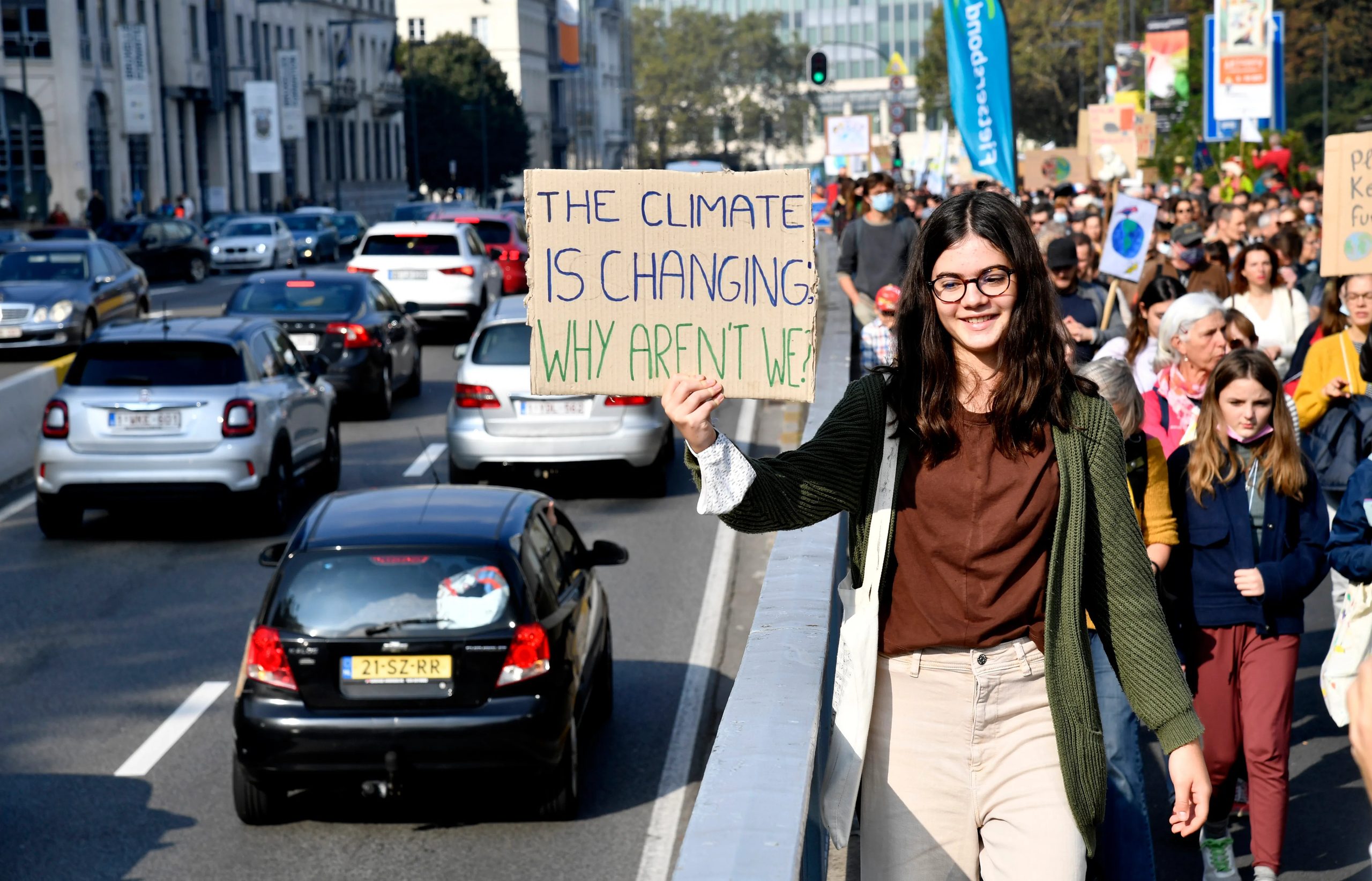
Climate campaigners are gathering in Brussels on Sunday, 11 October, to call for stronger action against climate change and to urge political leaders to protect people and the environment. The march is being promoted by 11.11.11, a Belgian organisation that works on international solidarity. Organisers say public safety should include protection from heat, drought, floods and wildfires, not only defence against conflict.
The planned march is part of a wider debate about how governments should respond to climate risks. Extreme weather can damage homes, roads, farms and public services. It can also affect food supplies, water access and the cost of living. Campaigners argue that governments should treat these risks as a major public concern and invest in measures that reduce emissions and help communities adapt.
The organisers have called for stronger climate solutions and less dependence on fossil fuels. Burning coal, oil and gas releases greenhouse gases that contribute to global warming. Reducing these emissions requires changes across transport, power generation, buildings and industry. It can also require public investment, rules for businesses and support for households that may struggle with the cost of change.
The march is scheduled to begin in the afternoon, with participants gathering near Brussels North station before moving through central parts of the city towards the European quarter. The route is intended to bring the campaign into public view and highlight the role of political institutions in climate policy. People planning to attend should check organisers’ latest instructions for any route or timing changes.
Climate action can raise difficult questions about cost and fairness. Some households depend on cars because public transport is limited, while some workers are employed in industries that may change as energy systems shift. Campaigners and policymakers therefore face the challenge of reducing emissions without placing an unfair burden on people with fewer resources.
Organisers argue that protecting people from climate change should be part of a wider plan for a safe and liveable future. They point to the risk of floods, fires and extreme heat as reasons to invest in both prevention and preparation. That can include cleaner energy, better public

