

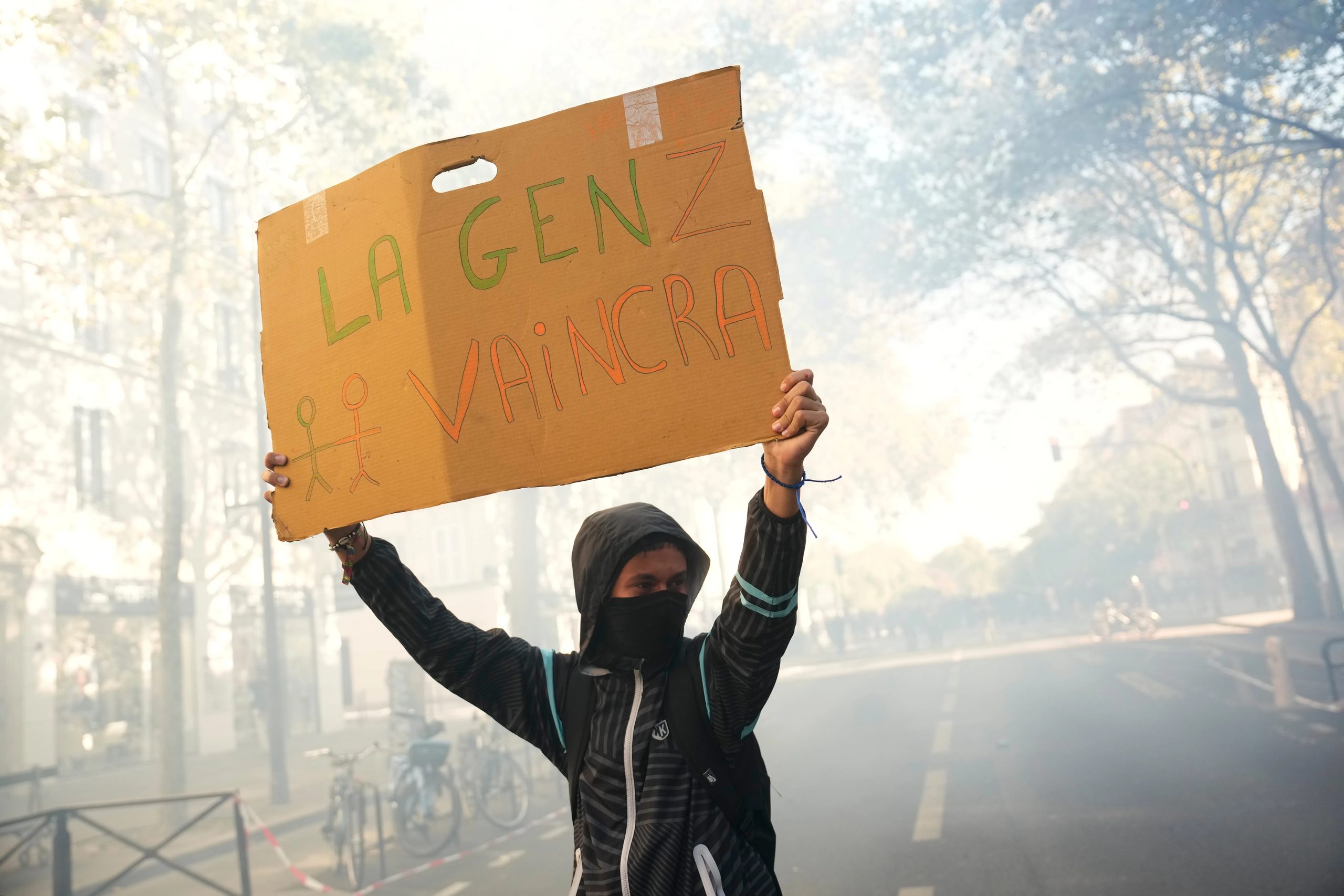
Student protests in Belgium have drawn attention to the cost and quality of education, with young people calling for better resources and improvements to classroom conditions. Demonstrations have taken place as similar unrest continues in France, where students have been protesting against problems in public schools. The events show how concerns about education can spread across borders when young people face similar pressures.
In Liège, students gathered to protest rising education costs, crowded classrooms and shortages of learning materials. These concerns affect the daily experience of students who depend on schools and colleges for their education. When classrooms are overcrowded or essential materials are missing, teachers may find it harder to support each learner, while students may struggle to receive the attention they need.
The protests have also created challenges for public authorities. Reuters reported that Belgian authorities had responded to recent unrest with arrests and public safety measures. The report described 107 arrests in recent days, while a public warning urged people to close businesses during a period of serious disorder. A main railway station was also temporarily closed amid the unrest.
The demonstrations are taking place in a wider debate about public spending and the services available to young people. Education costs can place pressure on families, particularly when they must pay for transport, books, equipment or other study needs. Students who do not have enough resources may find it harder to participate fully in classes or continue their studies.
School conditions are another source of concern. Young people want learning spaces that are safe, well maintained and properly equipped. They also want enough teachers and classroom space to make learning effective. These are practical demands, but meeting them may require public funding, planning and discussions between government officials, school leaders, staff and students.
The protests have echoes of demonstrations in France, where students have raised similar complaints about school facilities and the handling of public demonstrations. The connection does not mean the two movements have identical causes. However, the events suggest that young people in different countries are paying close attention to one another and using similar methods to make their concerns visible.
Authorities must balance the right to protest with public safety. Arrests and transport closures can disrupt daily life, while violent clashes may weaken public support for demonstrators’ demands. At the same time, ignoring the concerns that bring students into the streets can allow frustration to deepen. A lasting response would require both calm public discussion and a serious look at the conditions students describe.
The protests have made education a visible public issue in Belgium. Their long-term effect will depend on whether political leaders and education authorities engage with the concerns raised and explain what can realistically change. Better resources, affordable access and safe classrooms are central to that discussion. For students, the key question is whether public attention will lead to improvements they can see in their schools and colleges.

