

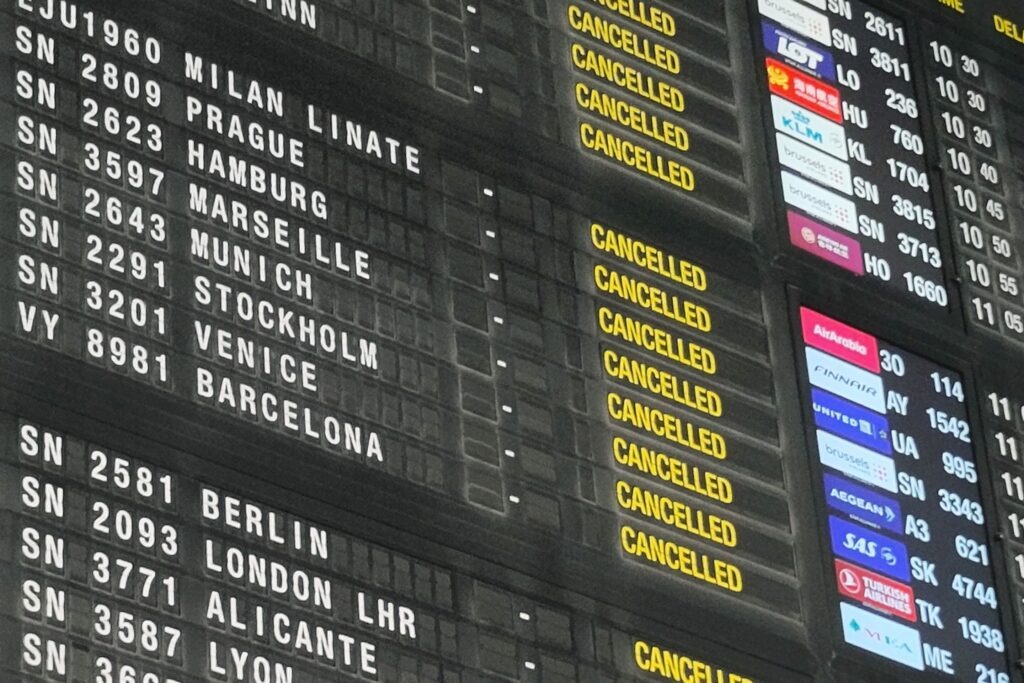
Belgium Transport Strikes are expected to cause major disruption as workers prepare for national days of action against the federal government’s planned budget measures. Public transport services are expected to be affected on Friday, October 9, and again on Monday, October 12. The action could also affect flights at Brussels Airport and other services, creating problems for commuters and travelers across the country.
The strikes are linked to opposition to planned budget cuts and economic reforms. Trade unions have argued that the government’s measures place too much pressure on workers and public services. They are demanding changes to the proposed policies and want ministers to reconsider measures that could affect wages, working conditions and social benefits.
Public transport is expected to be one of the most visible areas of disruption. Train services could be reduced, while buses, trams and other local services may operate with fewer vehicles and staff. Travelers have been advised to check schedules before leaving home because the level of disruption can vary depending on how many workers participate in the action.
Brussels is likely to be particularly affected because the capital depends heavily on public transport. Thousands of workers travel into the city each day from surrounding areas, while residents rely on trains, buses and trams for work, education and appointments. Reduced services could therefore create long queues, crowded alternative routes and delays on roads as some commuters switch to cars.
Air travel could also be affected. Brussels Airport has warned that staff participation in the national action may lead to cancellations and changes to scheduled flights. Travelers who are planning to fly on Friday have been advised to check with their airlines before going to the airport. The exact number of canceled flights can change as airlines receive information about staffing levels.
The disruption comes at a sensitive time for the Belgian government. Prime Minister Bart De Wever and coalition partners are negotiating measures to address a large budget gap. The government has been seeking more than ten billion euros in savings and new revenue. The negotiations have already exposed disagreements between coalition parties over healthcare spending, taxation and other reforms.
Trade unions say the government’s approach risks placing too much of the financial burden on workers. They argue that public services should not be weakened to solve the country’s financial problems. Government officials respond that difficult choices are necessary because Belgium faces significant debt and deficit pressures. The disagreement has created a wider political debate about how the country should manage its finances.
The national action could therefore become an important test for the government’s ability to implement its plans. Large disruptions can increase pressure on ministers, particularly when businesses and commuters are affected. At the same time, unions want to demonstrate that they have enough public support to force changes to the government’s proposals.
Residents are being encouraged to plan alternative travel arrangements. Some people may work from home where possible, while others could use bicycles, walking routes or car sharing. Businesses are also preparing for possible staff shortages and delivery delays. The effect will vary between regions because participation levels are not expected to be identical across the country.
For Belgium, the coming strike days will combine economic and political pressure. Workers want the government to reconsider its budget policies, while ministers are trying to find enough savings to stabilize public finances. The transport disruptions will make the dispute highly visible to ordinary residents. Whether the action leads to changes in government policy will depend on the strength of participation and the negotiations that follow.

