

Belgium Student Protests continued in Liège on Thursday, October 8, as hundreds of young people demonstrated against rising education costs and conditions in the French language education system. The protests have created major disruption in the city, with authorities warning businesses to close early and asking residents to avoid the centre. The movement has been influenced partly by the student protests taking place in neighboring France.
Students have raised several complaints about the cost of education. They say tuition fees have increased while classrooms remain overcrowded and access to study materials can be difficult. Protesters argue that education should remain accessible to students regardless of their financial situation. They have also called for improvements to schools and better conditions for teachers and pupils.
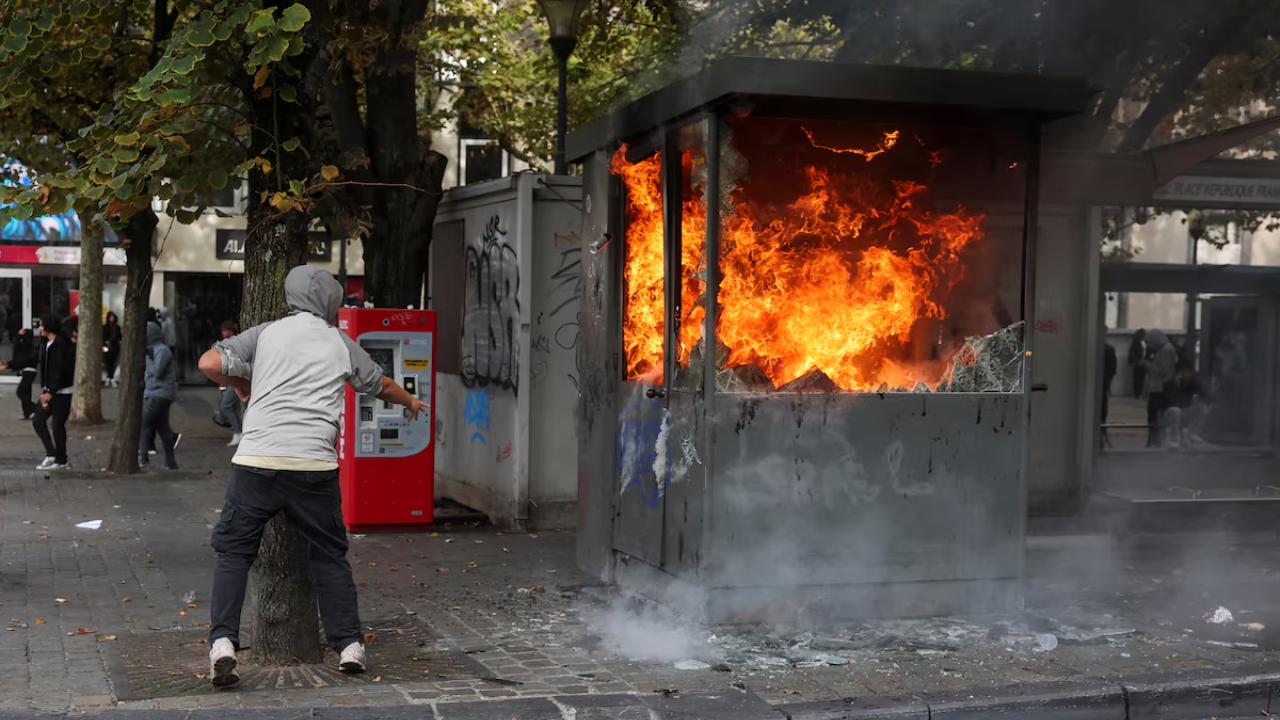
The demonstrations have become increasingly tense in Liège. Local reports said more than 100 people had been arrested in recent days in connection with the unrest. Police have linked some arrests to property damage and arson. Authorities have warned that the situation could become dangerous if large crowds continue gathering in the city centre.
The Belgian government’s warning system BE Alert advised businesses to close early because of the risk of unrest. Liège’s main railway station was also temporarily closed before reopening. Police asked residents to avoid the centre because demonstrations were causing serious traffic disruption. These measures show how the student movement has moved beyond schools and begun affecting normal city life.
The protests have developed at a time when Belgium is already dealing with difficult discussions over education and public spending. The French speaking education system has faced pressure over tuition fees and funding. Students argue that higher costs could prevent some young people from continuing their studies. Government officials have defended reforms as necessary for maintaining the quality and sustainability of the education system.
The movement has also been influenced by events in France. French students have staged large demonstrations over teacher shortages, overcrowded classrooms and deteriorating school buildings. The protests have attracted national attention and spread into other European countries. Belgian students have said that the situation in France encouraged them to organize their own demonstrations and make their concerns more visible.
Teachers have also joined the wider movement in Belgium. Their involvement adds pressure on education authorities because staff shortages and working conditions are among the issues being discussed. Teachers argue that education systems cannot improve without sufficient staff and resources. Students share many of those concerns, although their main focus is the cost and accessibility of education.
City officials are now trying to prevent further violence while keeping communication open with protesters. Liège Mayor Willy Demeyer has called for dialogue and a peaceful solution. Authorities must also protect businesses, public transport and residents who are not taking part in the demonstrations. Finding that balance is becoming harder as crowds grow and incidents of vandalism increase.
The latest unrest does not mean that every Belgian student supports violent demonstrations. Many protesters say they want their concerns heard peacefully and want education policy to change through political discussion. The problem for organizers is that large crowds can quickly become difficult to control, particularly when some participants begin damaging property or confronting police.
For Liège, Thursday’s protests are another test of how authorities respond to growing student anger. The government faces demands for affordable education and better school conditions, while police and city officials are focused on maintaining public safety. The demonstrations could continue if students believe their concerns are being ignored. For now, both sides face pressure to prevent the dispute from developing into a wider and more damaging conflict.

