

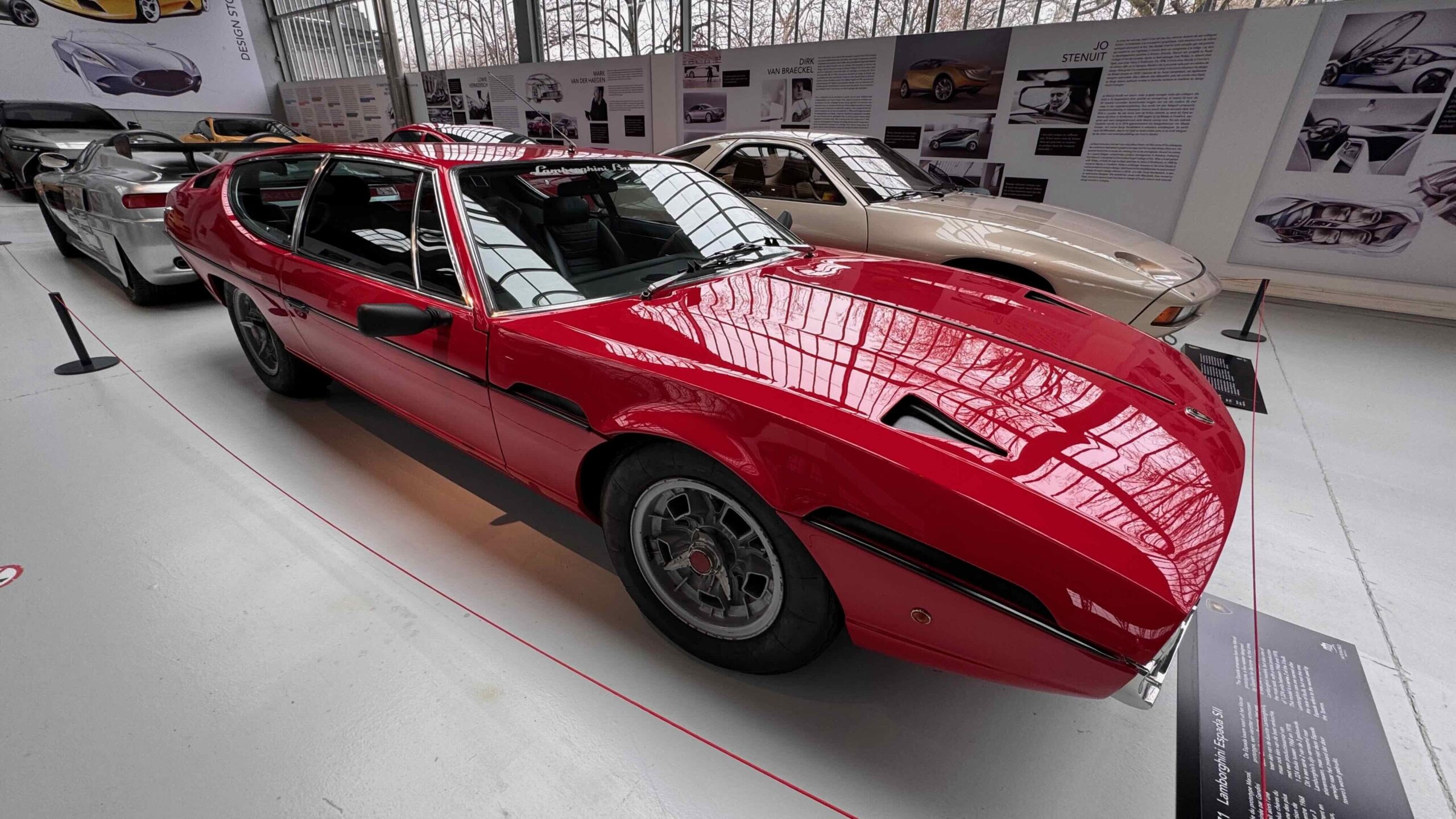
Autoworld in Brussels is marking its 40th anniversary with a special exhibition and an anniversary event on Sunday, October 4. The museum, located in the city’s Cinquantenaire area, is using the milestone to look back at four decades of automotive history while also considering how transport and cars are changing. The anniversary offers visitors a chance to see a selection of vehicles from the museum’s large collection and explore the changing role of the automobile.
The museum opened in 1986 and has since become one of Brussels’ major automotive attractions. Its collection is connected to the work of Belgian collector Ghislain Mahy, who gathered more than 1,000 vehicles. Over the years, Autoworld has developed into a museum that attracts both dedicated car enthusiasts and visitors interested in design, engineering and social history.
The anniversary exhibition is called “Looking Back to the Future” and features 15 vehicles selected from among the museum’s popular cars. The collection includes vehicles from different periods of automotive history, ranging from an early Belgian Minerva to more modern sports cars. The selection is designed to show how car design and technology have changed across several generations.
One of the interesting parts of the anniversary programme is that it does not focus only on old cars. The museum is also using the exhibition to consider what the future of mobility may look like. Cars are changing quickly as electric vehicles, new software and different transport habits become more common. For a museum built around automotive history, this creates an opportunity to ask what today’s vehicles may mean for future generations.
Autoworld director Sebastien de Baere has said that visitors do not need to be serious car fans to enjoy the exhibition. The museum wants to make the history of the automobile accessible through design, technology and stories connected to the vehicles. That approach helps explain why automotive museums can attract a wider audience than people who simply collect or follow cars as a hobby.
The anniversary is also an opportunity to examine how Brussels and other cities are changing their relationship with cars. Urban transport has become a major public issue, with cities seeking ways to reduce congestion, improve public transport and lower pollution. At the same time, many people still depend on cars for work, travel and family needs. Museums can provide a historical perspective on these changes by showing how quickly transport systems have evolved.
Autoworld has also changed significantly since its early years. According to BRUZZ, the museum now attracts around 245,000 visitors each year, compared with about 30,000 when De Baere joined the organisation 15 years ago. The increase shows the growing public interest in automotive history and the museum’s ability to expand its appeal.
The October 4 anniversary event adds another element to the celebration. The museum is hosting a Cars & Coffee gathering, bringing vehicles and visitors together as part of the 40th anniversary programme. Events like this allow people to experience the museum beyond its permanent displays and create a social setting around automotive culture.
The exhibition also reflects the importance of Belgian automotive history. The collection includes vehicles connected to Belgian manufacturing and design, while also showing the influence of international carmakers. Visitors can therefore see how local and global developments shaped the vehicles that became part of everyday life.
For Brussels, the anniversary gives the city another cultural attraction during the autumn season. Autoworld combines history, engineering, design and popular culture in a single location. Its continued growth suggests that interest in automotive heritage remains strong even as the industry moves toward new technologies.
The October 4 programme therefore looks both backward and forward. Forty years of Autoworld provide a reason to celebrate the museum’s history, while the exhibition’s focus on the future recognises that the automobile is entering another period of major change. The anniversary allows visitors to see how much has changed while considering what the next forty years of mobility may bring.

