

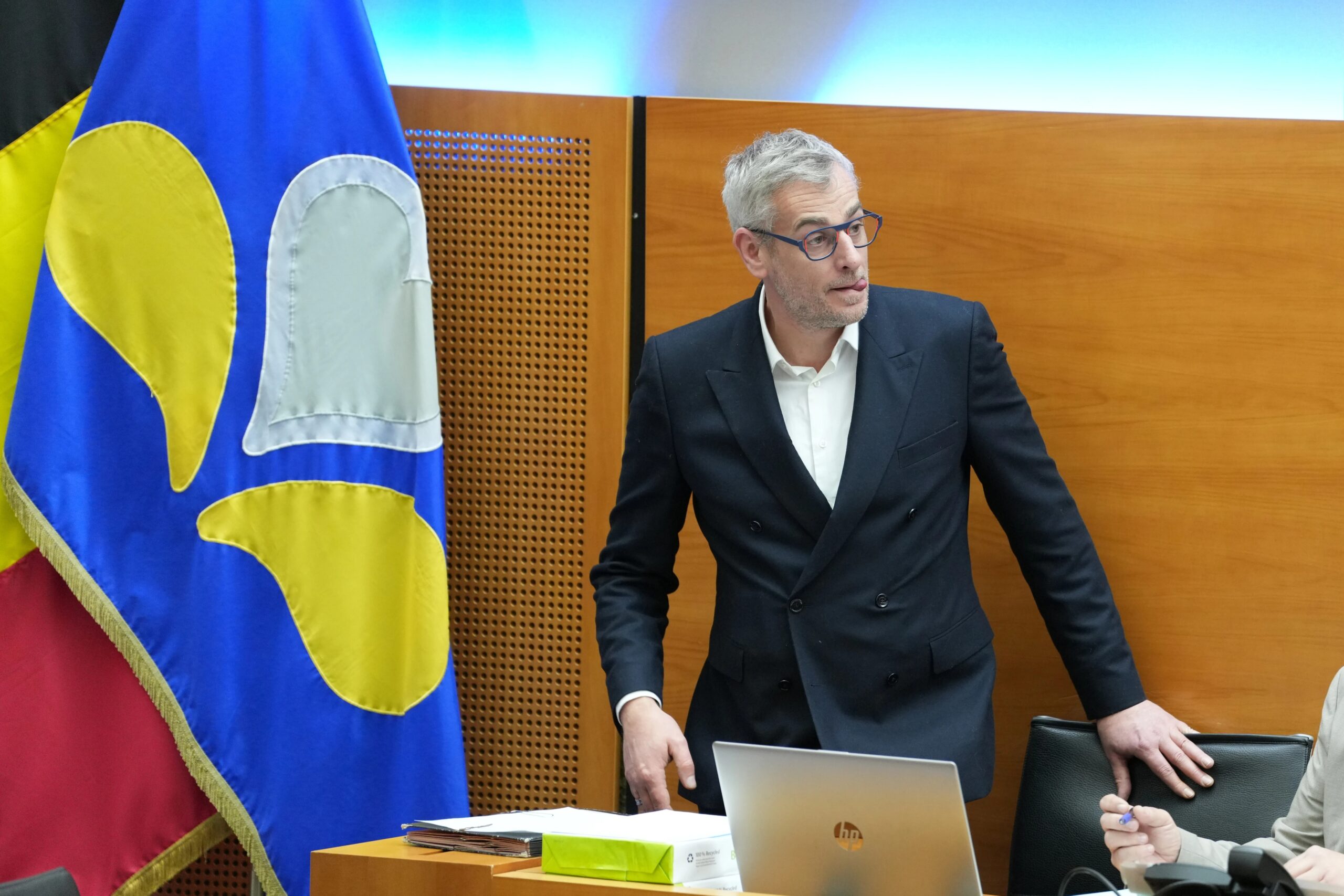
Brussels is facing a difficult budget challenge as regional ministers work to close a gap of about €120 million in the 2027 budget. The issue remained at the centre of discussions entering Sunday, October 4, after ministers met on Saturday for a regional budget meeting. The government is trying to keep the expected deficit within its agreed target while balancing pressure to protect public services and find new sources of revenue.
The Brussels government wants the final 2027 deficit to remain at around €719 million. However, ministers still needed to identify measures worth approximately €120 million to reach that goal. The discussions involve both spending and revenue, meaning officials are considering reductions in some areas while also examining ways to increase income.
Budget Minister Dirk De Smedt has been preparing the discussions for several weeks. According to The Brussels Times, the minister first worked with ministerial cabinets before holding bilateral talks about the remaining choices. The process shows the difficulty of finding agreement when different departments have different priorities and when spending decisions can affect residents directly.
Some of the items being discussed are connected to investment. This means that the government is not simply dealing with routine administrative spending but also with new projects and commitments. Ministers must decide which investments can move forward, which can be delayed and which may need to be reduced. These decisions can influence Brussels’ infrastructure, services and economic development over the longer term.
Finding additional revenue is another part of the discussion. Governments facing budget pressure often have to consider whether existing income can be improved or whether new sources of revenue are possible. Such measures can be politically difficult because changes to taxes, fees or other forms of public income may affect households and businesses. Ministers therefore have to balance the need to improve the budget with the possible impact on residents and economic activity.
The Brussels region has faced financial pressure for some time. The budget problem is particularly important because the capital plays a major role in Belgium’s economy and hosts many national and international institutions. Decisions about regional spending can therefore have consequences for transport, housing, public services and other areas that affect both residents and people who work in Brussels.
The weekend meeting was intended to move the government closer to an agreement. Minister-President Boris Dilliès is scheduled to address the Brussels Parliament on Monday with his general policy statement. The timing puts additional pressure on ministers because they want to reach an agreement before presenting their broader policy plans to lawmakers.
The government has to decide how much of the budget gap should be handled through spending cuts and how much should be addressed through additional revenue. Each choice carries political and practical consequences. Cutting investment could slow projects, while raising revenue could increase costs for residents or businesses. Maintaining current services without additional measures, however, would leave the deficit problem unresolved.
The discussions also show the limits faced by regional governments when economic needs and public expectations compete. Brussels needs to maintain essential services while also controlling its finances. At the same time, officials want to support investment that can improve the region’s long-term economic position.
For residents, the budget talks may eventually affect the services and projects they use every day. The exact measures will determine whether the financial adjustment is felt through reduced spending, changes in revenue or delayed investment. The government has not yet announced a final package, meaning the details remain subject to negotiations.
Sunday’s discussions are therefore part of a larger effort to place Brussels’ finances on a more stable path. Ministers need to close the €120 million gap while protecting key priorities and preparing the region’s wider policy programme. The coming days should show whether the government can reach a compromise before its next major parliamentary presentation.

