

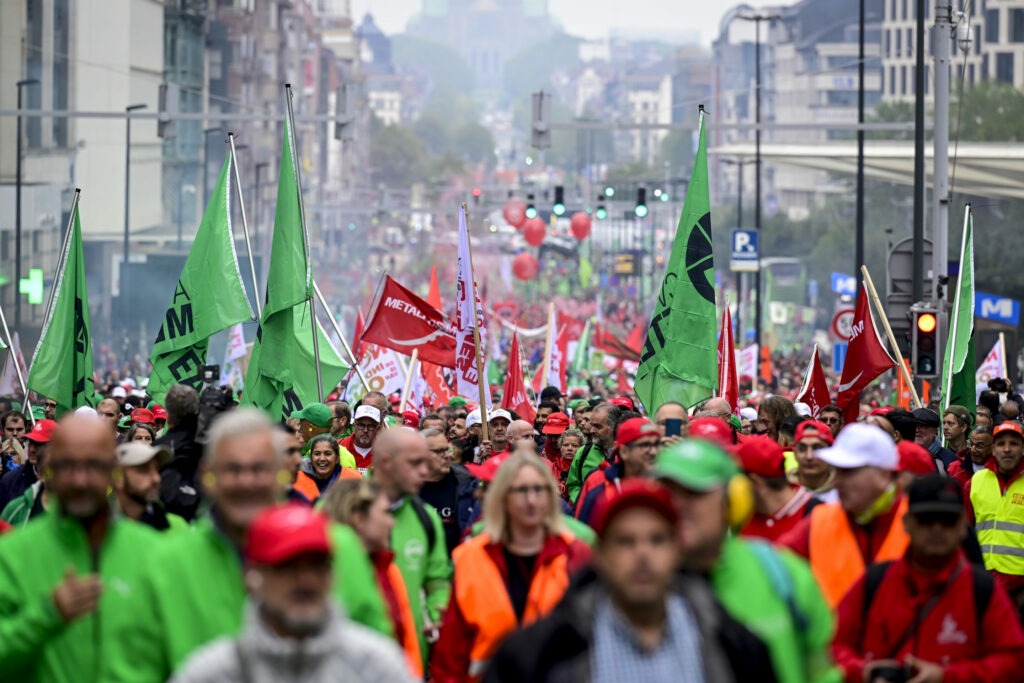
Public services in the Brussels-Capital Region face an open-ended strike beginning October 1 after two major unions submitted a strike notice over proposed changes to the regional administration. The action follows a period of consultation over plans to reduce costs, freeze recruitment and reorganise several public bodies. The unions argue that the proposed measures could reduce staffing and affect working conditions across the regional public service.
The dispute centres on a wider reform of the Brussels regional administration. The government has proposed restructuring about 25 public entities into four main pillars. The reform is intended to simplify the administration and reduce spending over the coming years. Officials have also discussed a strict hiring freeze and longer-term reductions in staff numbers.
According to the Brussels administration’s information, the unions CGSP-ACOD and CSC-ACV filed notice of open-ended strike action covering regional public services. The unions object to the hiring freeze and staff reduction targets. They have also raised concerns about proposed changes to leave arrangements. The dispute follows the end of consultations between the regional government and staff representatives.
The planned reform comes as Brussels faces pressure to control public spending. Governments across Europe are reviewing their budgets because of higher costs and competing demands for public services. In Brussels, officials have argued that administrative structures have become too large and that changes are needed to improve efficiency. The unions take a different view and have warned that reducing staff could place additional pressure on workers who already provide essential public services.
The issue affects more than office workers. Regional public services are involved in areas that directly affect daily life in Brussels, including transport-related administration, employment services, environmental work and other government functions. The precise effect of strike action will depend on which services participate and how workers organise their activities.
Open-ended strike action also creates uncertainty for residents and businesses. If public offices reduce their operations, people may face delays in administrative procedures. Companies that depend on government approvals or services could also experience disruption. However, the unions have not indicated that every regional service will necessarily stop operating at the same level at all times.
The dispute is likely to continue through negotiations. Governments and unions often use strike notices to increase pressure before returning to discussions. The Brussels authorities now face the challenge of balancing their plans for savings with concerns from employees about workloads, staffing and working conditions. A negotiated solution could avoid prolonged disruption, but that would require movement from both sides.
The October 1 action therefore marks another stage in the debate over the future of Brussels’ regional administration. The government wants to reduce costs and reorganise public bodies, while unions are demanding greater protection for staff and public services. The coming weeks will show whether the two sides can reach an agreement or whether industrial action continues for a longer period.

