

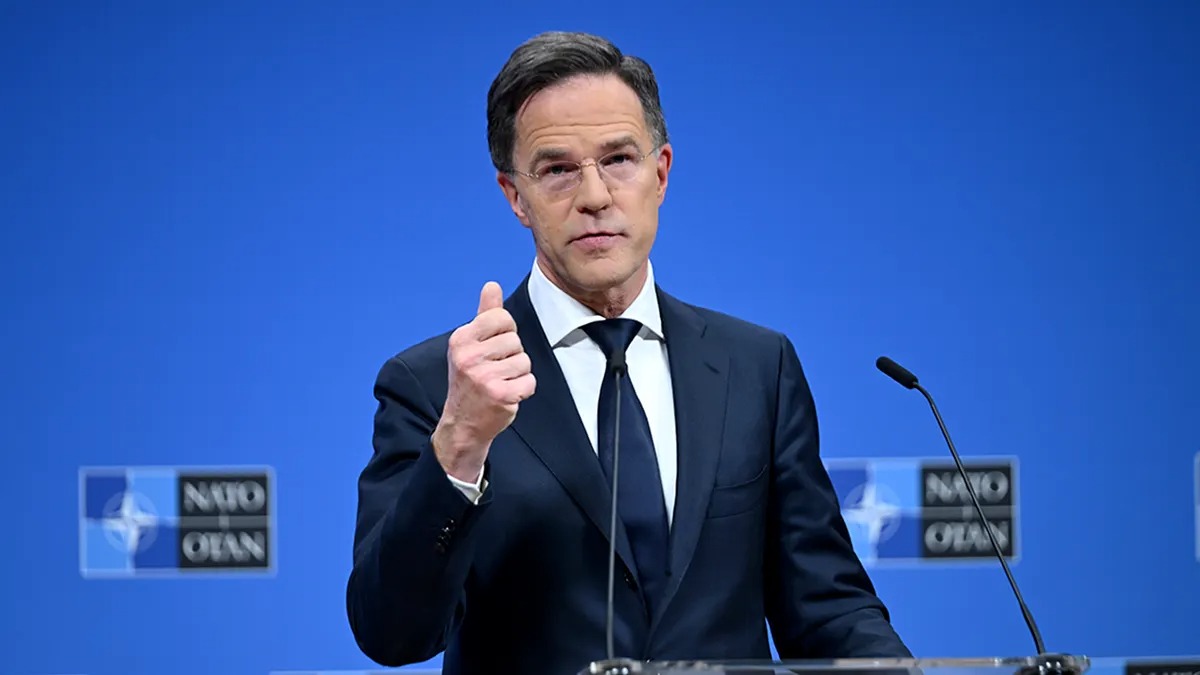
NATO Secretary General Mark Rutte is participating in the Euronews Defence and Space Summit in Brussels on Wednesday, September 30, bringing the alliance’s leadership into a major discussion about defence and space security. NATO confirmed the participation on its official events calendar and listed the summit as a September 30 event in Brussels.
The event is taking place as European governments continue to discuss defence spending, military technology and the role of space systems in modern security. Satellites and space-based services are increasingly important to military communications, navigation, intelligence and early warning.
Rutte’s participation gives the event a direct connection to NATO’s wider security agenda. NATO has been examining how member states can strengthen their defence capabilities while maintaining cooperation across the alliance. Space has become an increasingly important part of that discussion because modern armed forces depend on satellite services for many operations.
The summit also comes at a time when European countries are increasing attention on defence technology. New systems involving satellites, drones, artificial intelligence, communications and missile defence are changing the way governments plan military operations.
Brussels is an important location for the discussion because NATO headquarters are based in the Belgian capital. The city also hosts the European Union’s main institutions, creating an environment where defence, technology and European security policy frequently overlap.
The space sector has become closely connected to national security. Satellites can provide communication links, positioning data and information about activities on the ground. Losing access to those services can affect military and civilian systems, which makes resilience an important policy concern.
NATO has also been working to improve cooperation between its members on space-related capabilities. Individual countries operate their own satellites and systems, but alliance-level coordination can help countries share information and improve resilience.
The September 30 summit provides an opportunity to discuss these issues with defence experts, industry representatives and political leaders. Rutte’s involvement is particularly relevant because NATO’s secretary general coordinates the alliance’s political direction and represents the organisation in international discussions.
The event also reflects a wider shift in defence planning. Military competition is no longer limited to land, sea and air. Space, cyber systems and digital infrastructure have become additional areas where countries need to protect their capabilities.
European countries are investing in new technologies to respond to these changes. Defence companies are developing satellites, sensors, communications systems and other technologies designed to operate in increasingly complex environments.
For Belgium, hosting a defence and space event reinforces Brussels’ role as a centre of international security discussions. NATO officials, EU representatives and defence companies regularly meet in the city to discuss military cooperation and emerging security challenges.
The summit is not itself a NATO decision-making meeting. Instead, it is a public forum where defence and space issues can be discussed with a wider audience. Rutte’s participation gives the event additional importance because it allows the NATO secretary general to address subjects directly connected to alliance priorities.
The September 30 programme includes an interview with Rutte, according to NATO’s event schedule. The alliance listed the participation as part of the Euronews Defence and Space Summit 2026.
The event comes as NATO members continue to assess the military lessons of recent conflicts. The increasing use of drones, satellite imagery, electronic systems and long-range weapons has shown the importance of technology in modern warfare.
Space capabilities can also have civilian value. Weather forecasting, telecommunications, navigation and disaster monitoring all depend on space infrastructure. Protecting those systems therefore has implications beyond military operations.
Brussels’ September 30 summit provides a setting for those wider questions. Defence officials and technology specialists can examine how Europe and NATO should respond to changing technology while maintaining reliable communications and security systems.
The event will not resolve all of these questions in a single day. However, Rutte’s participation places NATO’s leadership directly in the discussion about the future of defence and space technology.

