

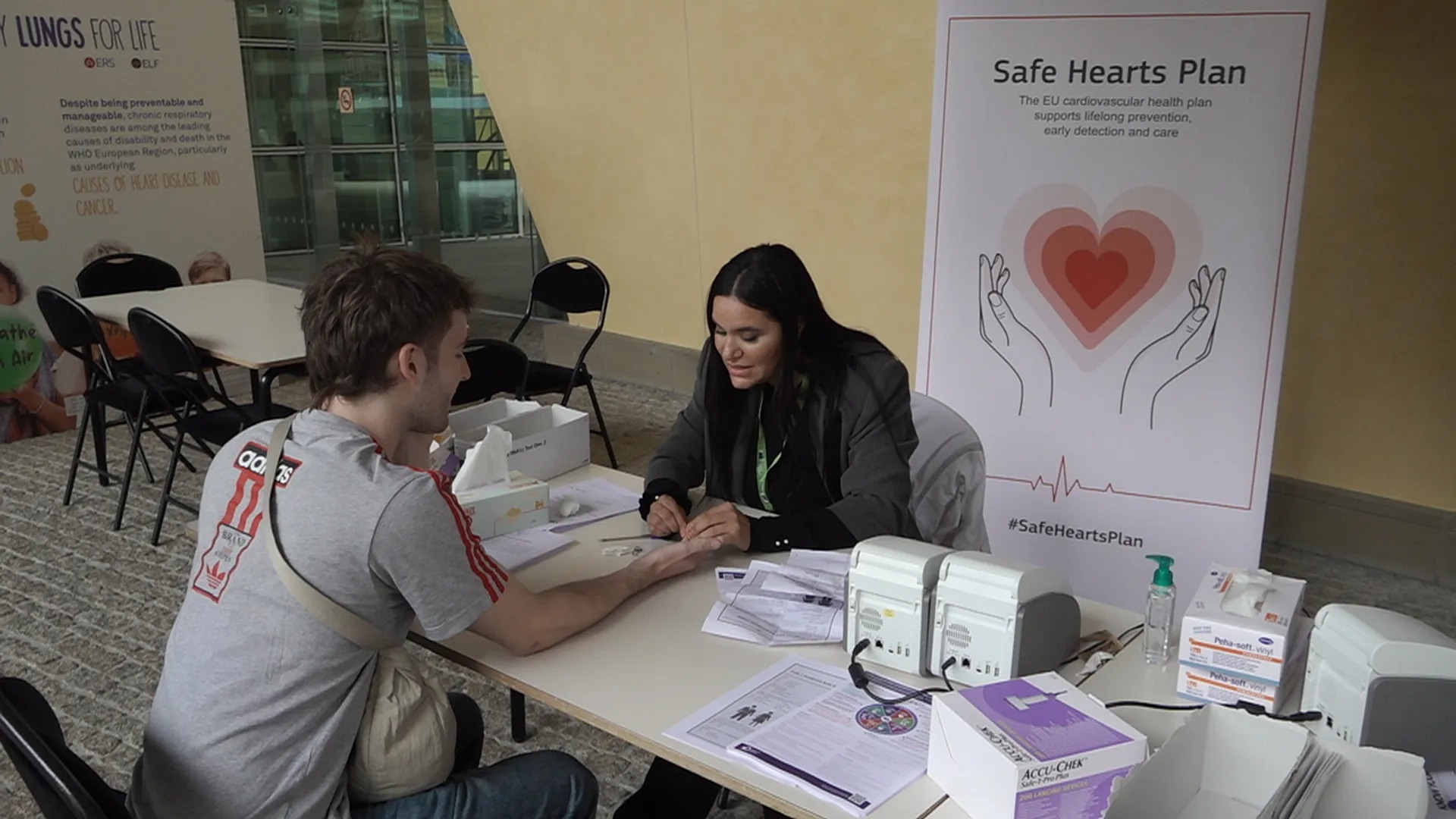
A new European campaign focused on cardiovascular health is taking shape in Brussels as the European Commission launches the first EU Screening Week. The initiative is designed to raise awareness of heart disease and encourage people to take part in health checks that can identify important risk factors early. The campaign was reported on September 29, 2026, as European institutions placed greater attention on cardiovascular prevention.
Heart and blood vessel diseases remain a major health concern across Europe. Conditions linked to high blood pressure, high cholesterol, diabetes, smoking and other risk factors can develop without obvious symptoms. Health screening can help identify some of these risks before they become more serious.
The new European effort focuses on prevention rather than waiting for people to develop advanced disease. The European Commission has proposed new recommendations for cardiovascular health checks and is using the first EU Screening Week to encourage wider public awareness.
Brussels is playing an important role because European institutions are based there and many EU-level health discussions take place in the Belgian capital. The campaign is intended to support a broader approach across member states rather than replace national health systems.
Screening can include simple checks such as blood pressure measurements and tests connected with cholesterol or blood sugar. The exact services available will depend on national health systems and local programmes. The broader message is that people should understand their personal risk and seek medical advice when appropriate.
Prevention is especially important because many cardiovascular risk factors can be difficult to notice. A person can have high blood pressure or high cholesterol without feeling unwell. Regular checks can therefore provide information that may not be available from symptoms alone.
The European Commission’s initiative also reflects a growing focus on reducing pressure on healthcare systems. Preventing or identifying disease earlier can help reduce the need for more complex treatment later. However, screening programmes need to be designed carefully so that tests are useful, accessible and followed by appropriate medical care.
The campaign also gives European institutions an opportunity to encourage healthier lifestyles. Exercise, balanced food, avoiding tobacco and controlling other risk factors can all form part of cardiovascular prevention. Health professionals can provide individual advice based on age, medical history and other personal factors.
The September 29 focus on cardiovascular screening comes as Brussels is already hosting a large number of European policy discussions. The city is home to the European Commission and other EU institutions, making it a natural centre for launching or discussing continent-wide health initiatives.
The campaign does not mean that every European resident will receive the same screening programme. Healthcare remains largely organised at national level, and member states have different systems and approaches. Instead, the EU initiative aims to support common recommendations and greater awareness.
For the public, the most useful part of the campaign is the reminder that heart health can be monitored before serious symptoms appear. People who have concerns about blood pressure, cholesterol or other risk factors can discuss them with healthcare professionals and follow local medical guidance.
The Brussels initiative therefore places prevention at the centre of the European health discussion. The first EU Screening Week is intended to increase awareness and encourage action, while the proposed recommendations could help shape future approaches to cardiovascular checks across Europe.

