

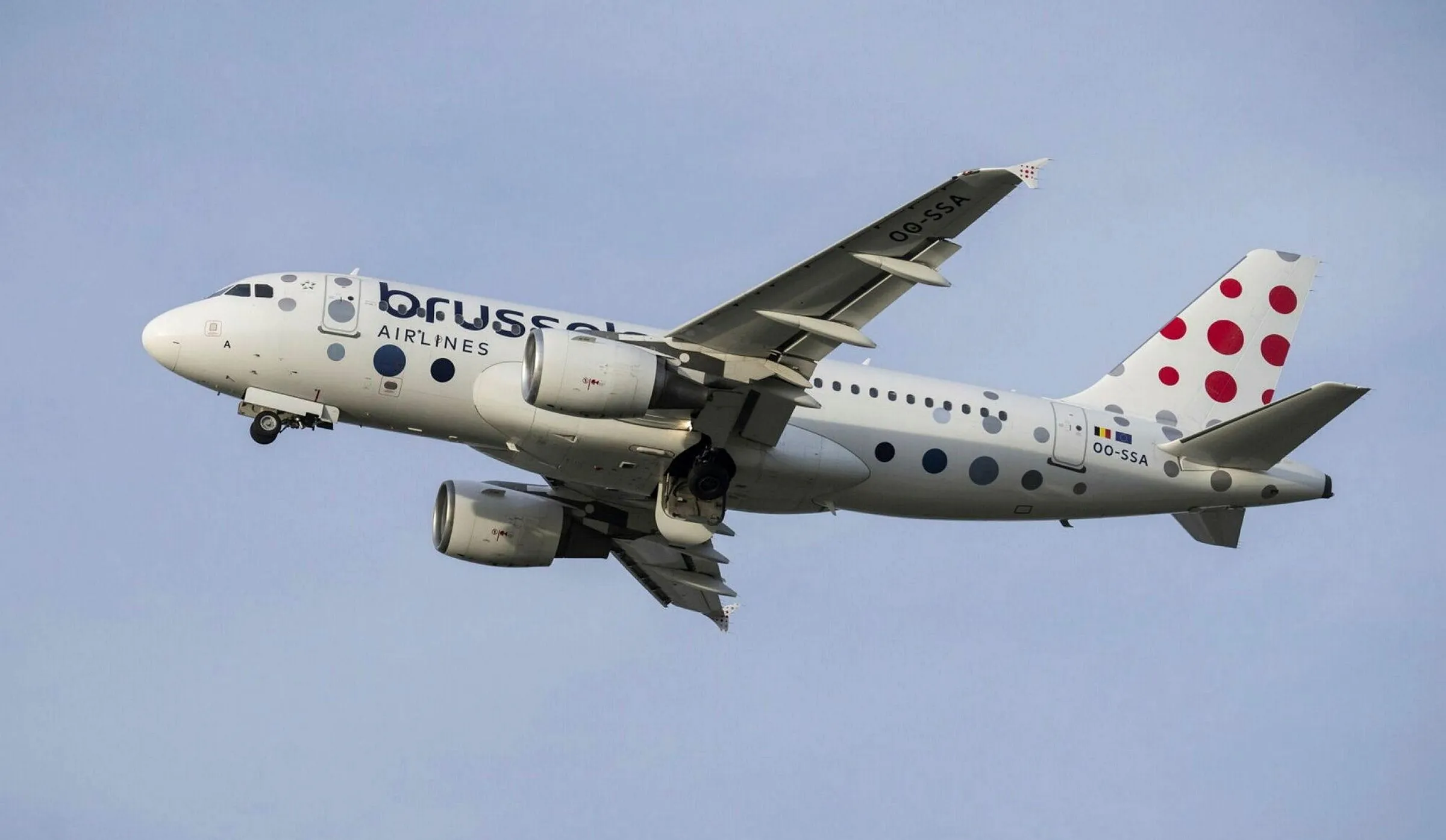
Belgium’s largest trade union has filed a strike notice against Brussels Airlines over its decision to require crew members to work flights to Tel Aviv rather than relying only on volunteers for the route. The union, known as ACV Puls, says the move raises serious concerns about both physical safety and the emotional toll on staff assigned to fly into a region still affected by conflict. The strike notice took effect this week and could lead to actual disruption if the airline does not change its approach.
Brussels Airlines resumed flights to Tel Aviv earlier this summer after a lengthy suspension, initially staffing the route entirely with crew members who volunteered for the assignment. The airline now says that arrangement has worked well enough that it can return to normal scheduling procedures, assigning staff to the route as it would for any other destination. Union leaders strongly disagree with that decision, arguing that conditions in the region remain too unstable to treat the route as routine.
According to the union, employees should retain the right to decline assignments to Tel Aviv given continued government advice against non essential travel to Israel. The union describes the situation as one involving real safety concerns for crew, alongside difficult ethical and emotional questions tied to flying into an active conflict zone. Belgian authorities have maintained travel advisories urging caution for trips to the region, a factor the union says should carry weight in how the airline staffs the route.
Brussels Airlines has pushed back against the union’s position, stating that safety remains its top priority and that the airline continues to monitor conditions closely alongside its parent company’s other airline brands. The carrier says it retains the ability to adjust procedures quickly if the security situation changes, and maintains that current conditions support returning to standard crew assignment practices rather than relying solely on volunteers.
For now, the union says any potential industrial action would remain limited specifically to flights between Brussels and Tel Aviv, rather than spreading to the airline’s broader network. That targeted approach suggests the dispute, while serious, is unlikely to cause widespread disruption to other Brussels Airlines routes unless the situation escalates further in the coming days or weeks.
The dispute adds to a difficult stretch for Belgian aviation labor relations more broadly. Brussels Airport and its associated airlines have faced repeated strikes and labor disputes over the past two years, ranging from air traffic control walkouts to broader disagreements over pension changes and working conditions. This latest dispute introduces a different kind of concern, tied directly to the geopolitical situation in the Middle East rather than pay or retirement policy.
Aviation analysts say the standoff highlights a broader challenge facing airlines that operate flights into regions affected by conflict. Balancing commercial pressure to maintain full route schedules against employee concerns about safety and ethics has become an increasingly common source of friction for carriers across Europe as regional tensions have grown over the past year.
Both sides say they remain open to further discussion before any strike action would actually take place. Union representatives have indicated they hope the airline will reconsider its stance, while the airline has signaled it does not currently plan to reverse its decision on crew assignments. How the dispute resolves in the coming days will offer an early signal of how airlines and labor groups across Europe might handle similar situations as regional conflicts continue to complicate routine commercial aviation operations.

